




Diamond Pave Band Ring
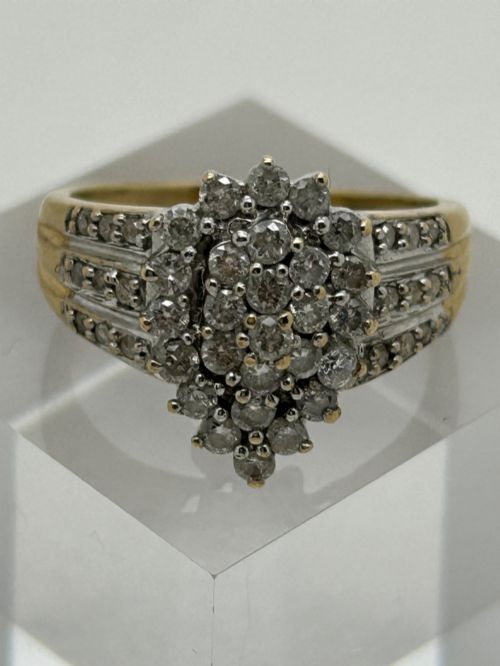
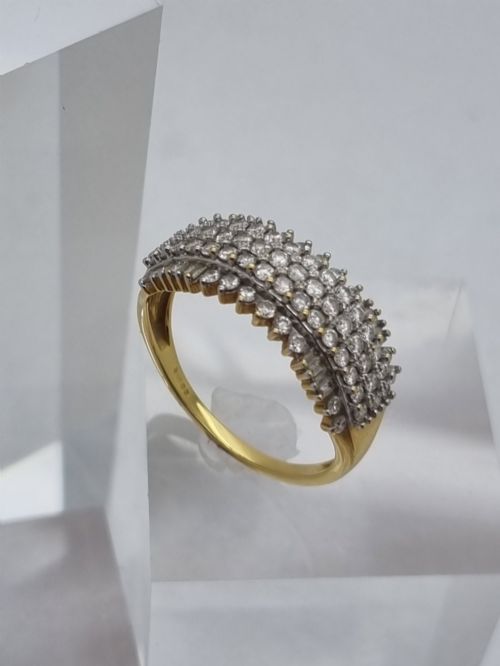
These diamond pave band ring pieces are glittering milestones of design that bring enduring sparkle to the hand.
Diamond Pave Band Ring
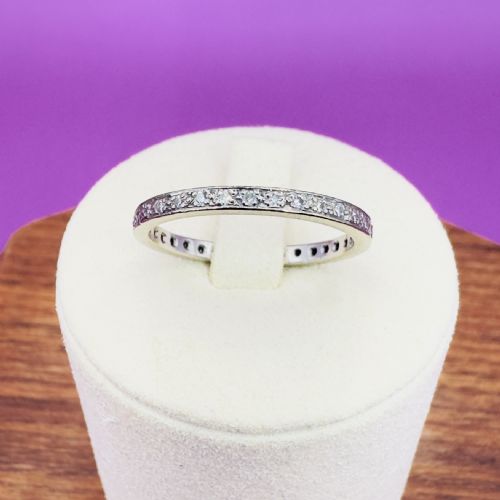
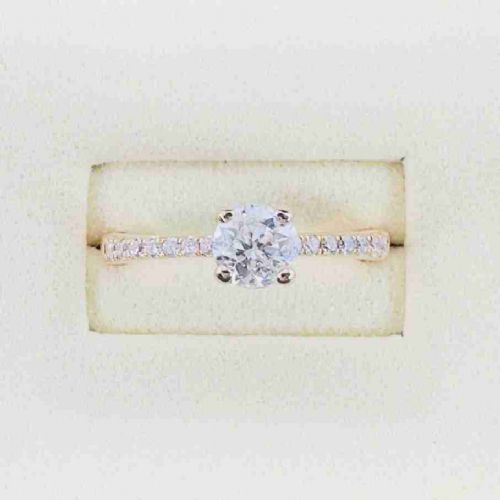
When you search for a diamond pave band ring, you look at a selection of rings and dress rings that span eras from the Edwardian period through the 1920s, 1930s, 1940s, 1950s, and 1960s. These pieces include full eternity rings, half eternity rings, cluster settings, and cocktail rings, alongside solitaire styles with shoulder diamonds.
How they were made
The construction of these items relies heavily on precious metals such as 18ct white gold, 18ct yellow gold, 14ct gold, 9ct gold, and platinum to set the foundational bands and clusters. Goldsmiths set multiple small diamonds closely together across the surface to create the pave effect seen in Edwardian and Art Deco examples.
Beyond plain metal bands, workshops incorporated natural emeralds alongside brilliant cut diamonds and shoulder stones, utilising precise claw and flush settings to secure each gemstone within the gold or platinum framework.
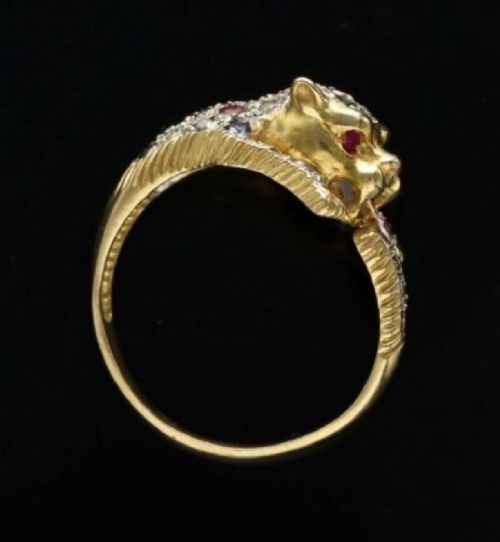
One unexpected resident of this metal menagerie is a solid gold leopard wearing diamonds.
What varies in quality
The standard of a diamond pave band ring depends on the precision of the metalwork and how tightly the stones are set into the platinum or gold surface. Heavier metal weights, such as solid 18ct gold or platinum foundations, indicate a sturdier build compared to lighter alternatives.
Quality also rests in the selection and matching of the diamonds and accompanying gems, such as natural emeralds, where clarity and uniformity elevate the overall presence of the piece.
The Diamond Pave Band Ring Glossary
- Pave set
- A technique where multiple small gems are set closely together with minimal visible metal, creating a paved surface of stones. This method maximises surface sparkle on Edwardian and Art Deco rings.
- Platinum
- A dense, durable, and naturally white precious metal used frequently in fine jewellery manufacture. It provides a secure setting for diamonds and emeralds.
- Eternity ring
- A band set continuously with gemstones symbolising endless love. Versions appear as full eternity or half eternity designs.
- Tank ring
- A bold, chunky jewellery style inspired by military vehicles that emerged during the retro and mid-century periods. These pieces often combine yellow and white gold with pave diamonds.
- Solitaire
- A ring featuring a single central gemstone, occasionally accompanied by shoulder diamonds along the band.
Diamond Pave Band Ring: Frequently Asked Questions
What is a pave band ring?
A pave band ring is a piece of jewellery featuring numerous small diamonds set closely together across the band to create a continuous surface of sparkle.
These designs range from Edwardian pave set platinum items to mid-century and retro creations utilising white and yellow gold.
How do I style a diamond ring?
You can wear these rings as standalone statement pieces, engagement rings, or paired alongside plain metal bands.
Their varied geometric, cluster, and eternity styles allow them to complement both modern attire and vintage outfits.
How are different periods told apart?
Different eras show distinct characteristics in their design and metal choice, such as the platinum work typical of Edwardian and Art Deco pieces.
Later decades like the 1940s, 1950s, and 1960s introduce tank styles, rose gold, and specific cluster formations.
What materials are used in these rings?
These items utilise precious metals including platinum, 18ct white gold, 18ct yellow gold, 18ct rose gold, 14ct gold, and 9ct gold.
Gemstones include diamonds, natural emeralds, and multi-gem combinations.