
Diamond Halo Sapphire Ring
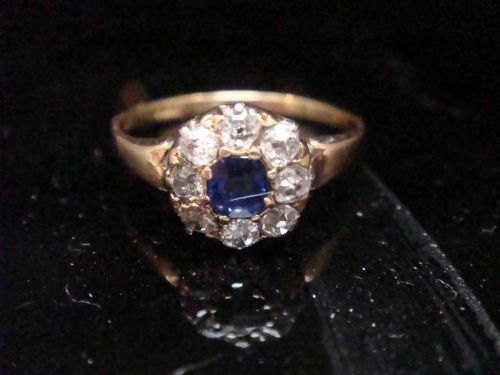
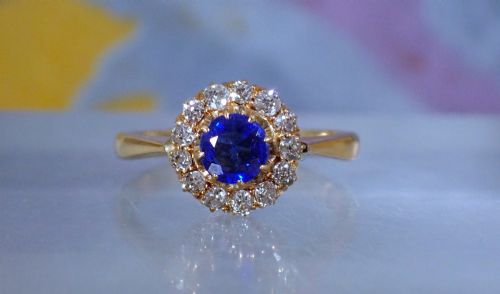
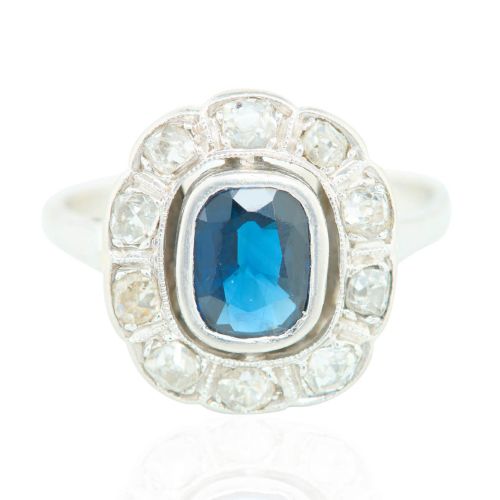
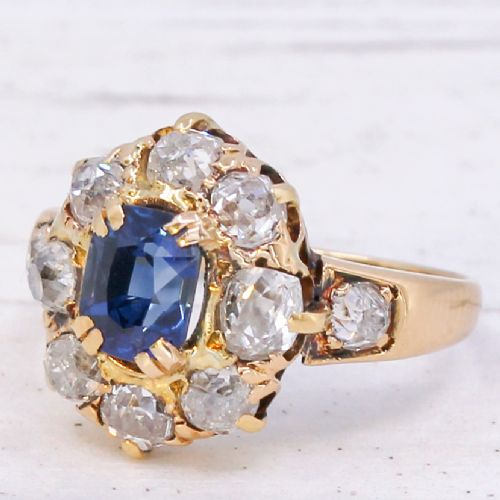
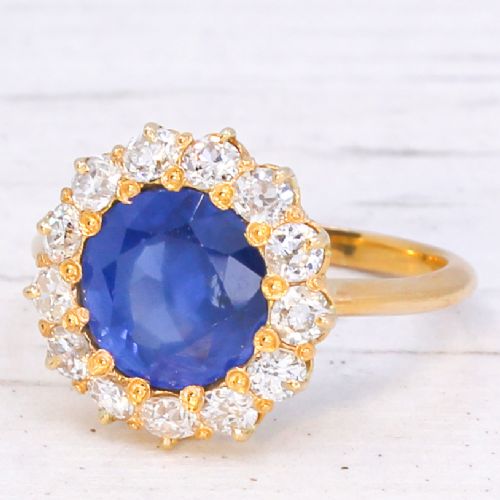
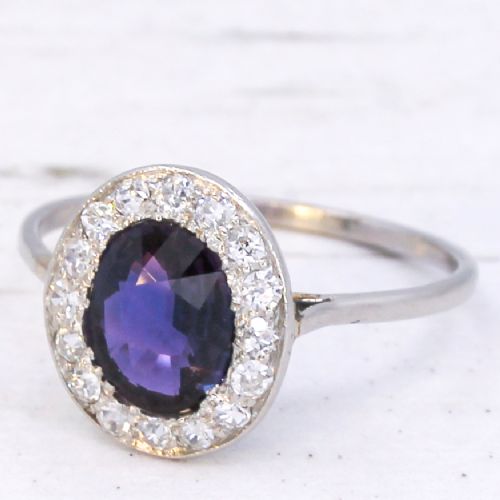
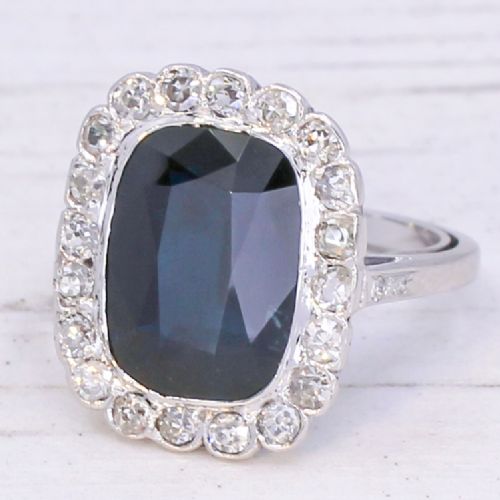
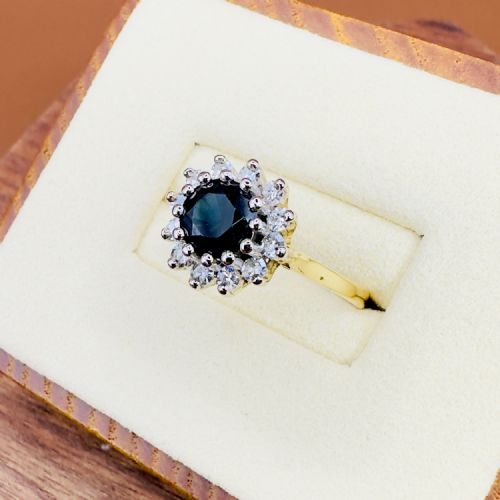
A diamond halo sapphire ring brings together a central blue stone encircled by sparkling diamonds, offering striking contrast and timeless elegance.
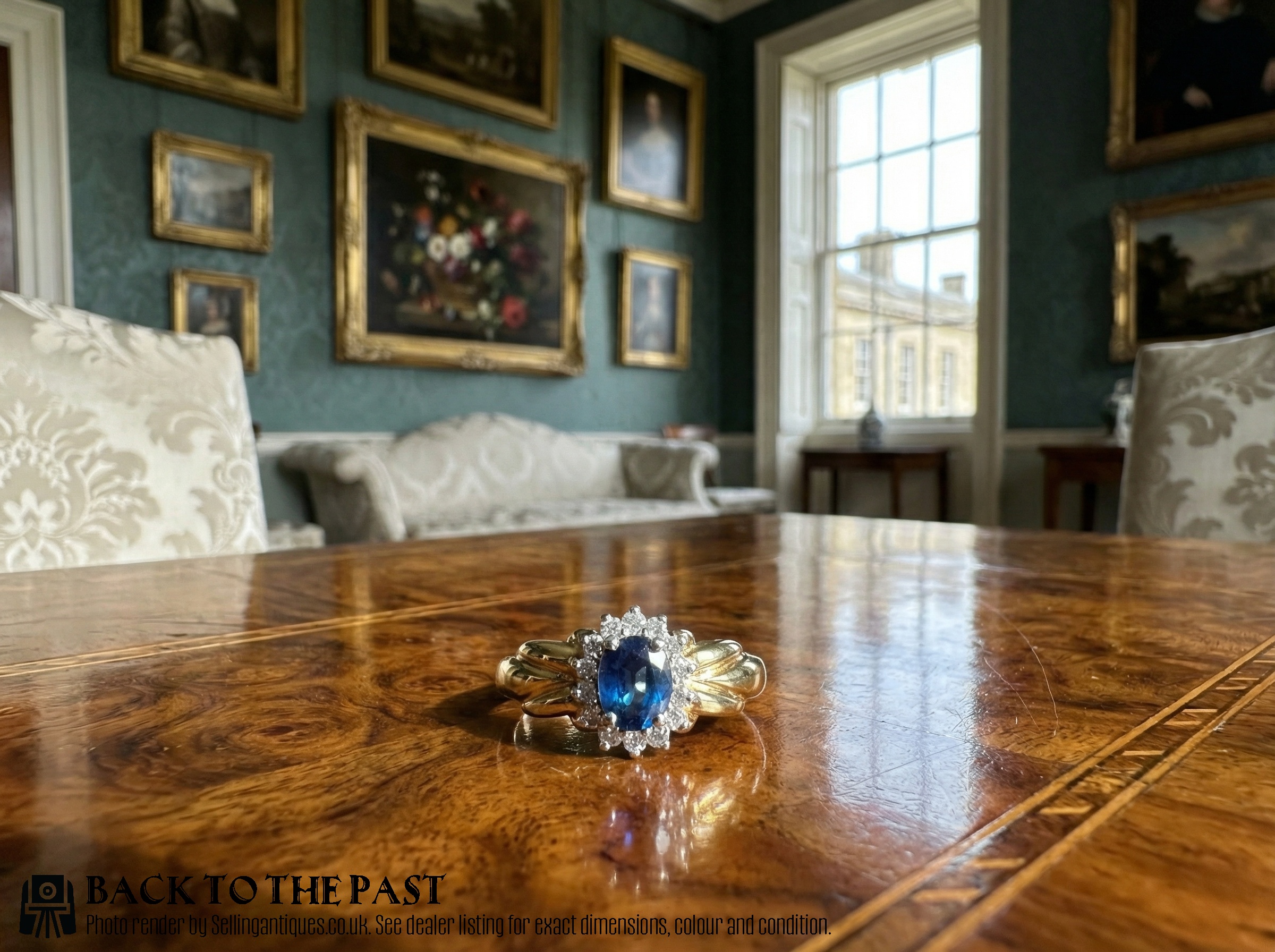
Diamond Halo Sapphire Ring
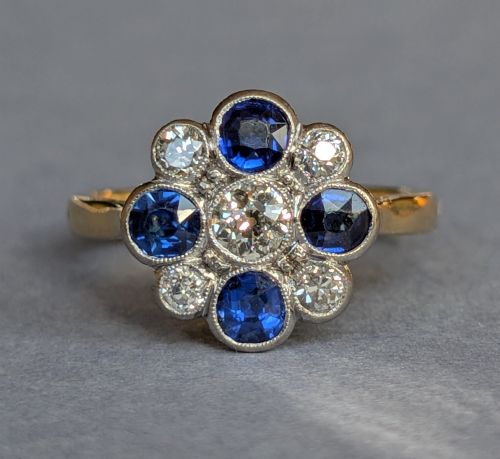
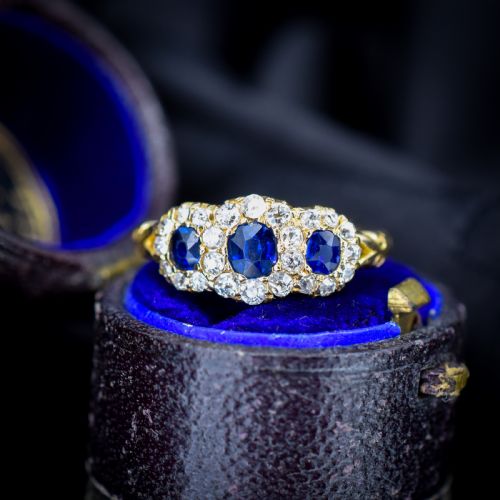
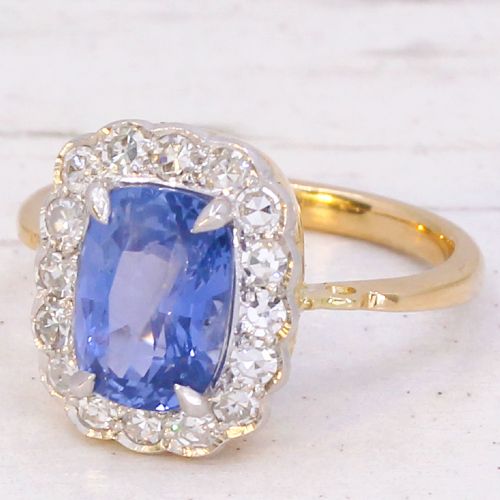
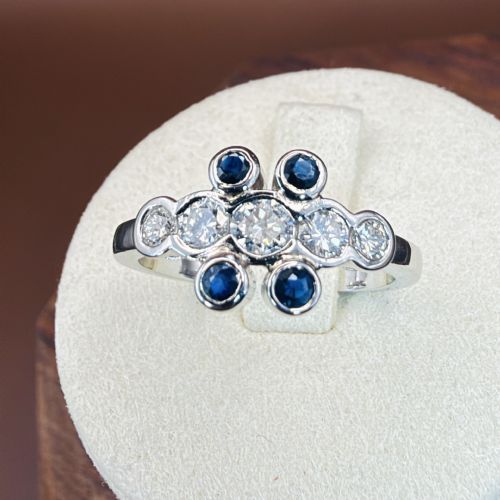
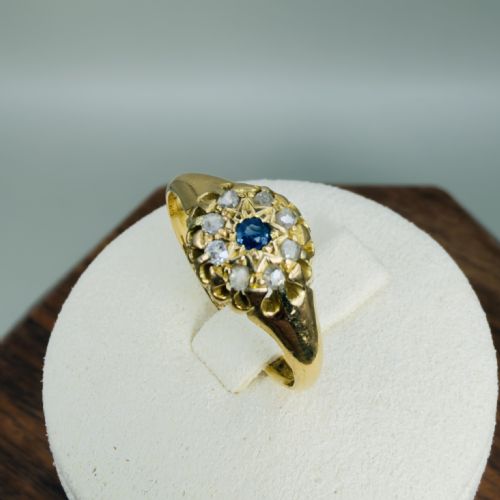
When searching for a diamond halo sapphire ring, buyers encounter pieces spanning multiple decades including the 1920s, 1950s and 1960s, alongside distinctive Art Deco, Edwardian and traditional styles. These rings centre on a prominent sapphire framed by a border of smaller diamonds, creating a brilliant border of light around the central blue gem.
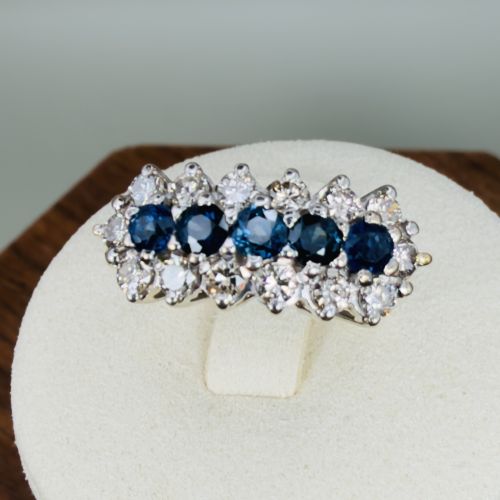
The most common configurations on this page include cluster and halo formats utilising various cuts such as oval, princess, cushion, cabochon and rose cut stones. Settings range from traditional cluster arrangements to elaborate fan halos and double diamond borders.
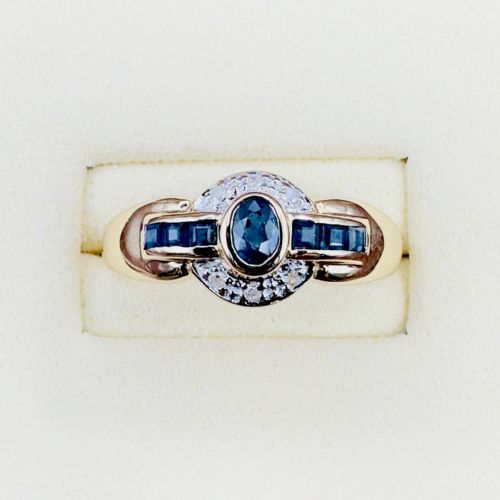
Materials vary across the selection, featuring durable platinum alongside 9ct gold, 14ct gold, 18ct yellow gold and mixed platinum and gold settings. Sapphires appear in various tones including bright blue, basaltic and Ceylon varieties, paired with diamonds ranging from subtle accents to substantial carat weights.
Materials and construction
The construction of these rings relies on precious metals including platinum and multiple grades of gold such as 9ct, 14ct and 18ct yellow gold. Metal selection dictated the weight and colour profile of the mount, with platinum offering a bright, sturdy claw setting for secure stone retention.
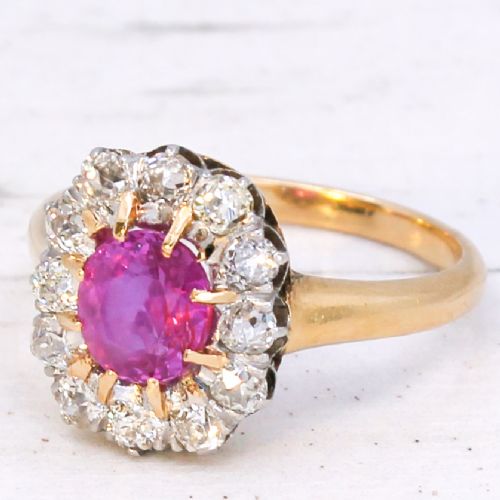
Goldsmiths shaped these mountings to support central sapphires alongside smaller diamond accents using traditional claw, bezel and cluster techniques. The integration of contrasting metals, such as combining yellow gold shanks with platinum settings, highlights the central stones effectively.
Diamond Halo Sapphire Ring Retail Price Guide 2026
Typical asking prices for diamond halo sapphire ring among the pieces listed under this phrase on Sellingantiques today, from the lower quarter to the upper quarter. They describe what is for sale here now, not the wider market.
Some vintage rings feature hidden gallery work beneath the cluster, offering a private decorative secret visible only to the wearer.
Distinguishing quality across the range
Quality differences emerge through the selection of the central sapphire, where depth of colour, clarity and carat weight significantly alter the visual impact. Stones featuring vivid saturation or specific geographic origins like Ceylon command attention through their optical performance.
The precision of the diamond halo work and the harmony of the overall cluster proportion differentiate standard examples from exceptional ones. Heavier platinum mountings and well-matched diamond surrounds reflect a higher level of Goldsmith craftsmanship.
The Diamond Halo Sapphire Ring Glossary
- Halo
- A concentric ring of smaller pavé or prong-set diamonds surrounding a larger central gemstone. This arrangement amplifies the apparent size and brilliance of the middle stone.
- Cluster ring
- A design featuring multiple gemstones grouped closely together, typically with a central stone encircled by smaller companion stones. It creates a bold floral or geometric silhouette on the hand.
- Cabochon
- A gem cutting style featuring a smooth, rounded, convex top without facets, polished rather than cut. This technique is frequently utilised for opaque or densely coloured sapphires.
- Rose cut
- An antique diamond cut featuring a flat base and a domed crown composed of triangular facets that culminate in a point. It imparts a soft, candlelit glimmer rather than modern fiery brilliance.
- Basaltic sapphire
- A sapphire originating from alkaline basaltic rock formations, typically displaying deeper, darker blue tones with strong iron signatures. These stones offer a robust and saturated colour presence.
Diamond Halo Sapphire Ring: Frequently Asked Questions
How do I wear a halo ring daily?
Wearing a diamond halo sapphire ring every day requires mindful care, particularly regarding harder impacts that might affect the prongs holding the outer diamond cluster. Regular inspection of the claw settings ensures the smaller surrounding stones remain secure within the metal framework.
Pairing the ring with plain wedding bands prevents friction against the delicate halo edges. Removing the jewellery during heavy manual tasks preserves the integrity of the gold or platinum shank over decades of use.
What defines Art Deco ring design?
Art Deco pieces from the 1920s and 1930s utilise geometric precision, strong symmetry and architectural lines to frame central sapphires. The integration of platinum alongside yellow gold creates striking tonal contrasts characteristic of this period.
Fan halos, double borders and stepped cluster configurations are common structural hallmarks of this era. These designs prioritise visual impact through sharp angles and clean structural silhouettes.
How do I tell sapphire origins apart?
Determining sapphire origins involves examining the specific hue, inclusions and microscopic mineral traits within the crystal structure. Ceylon stones often exhibit a bright, luminous blue tone, whereas basaltic varieties tend to show deeper, heavier saturation.
Grading certificates often detail these geographic indicators by analysing internal silk and crystal formations. Without documentation, visual assessment focuses on the unique vibrancy and light transmission of the blue material.