
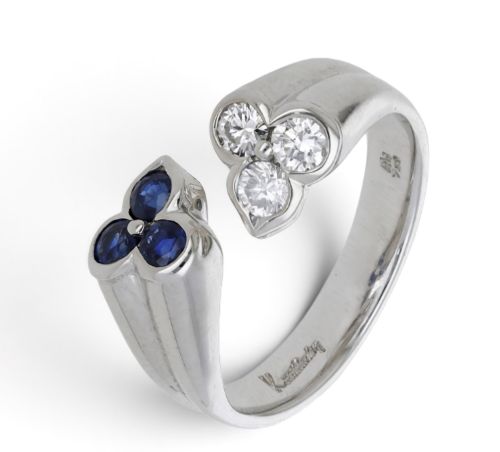
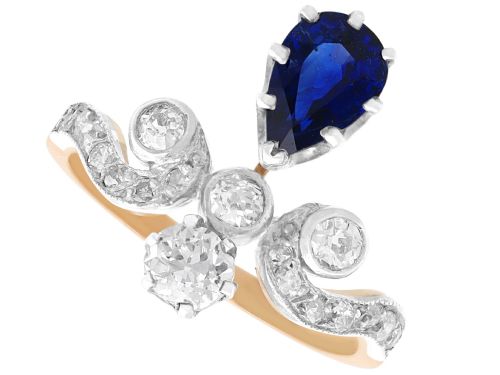
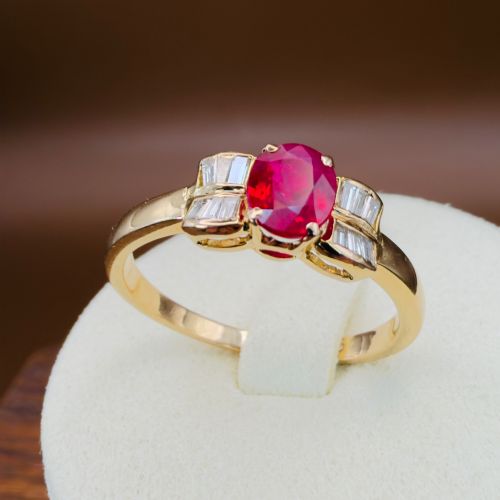
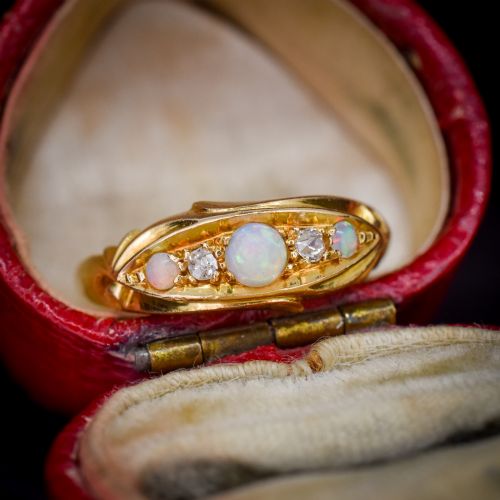
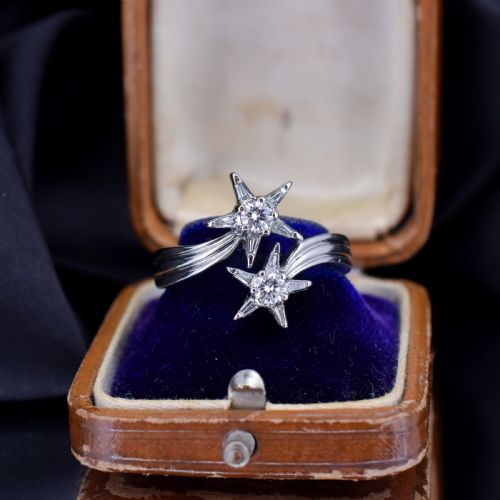
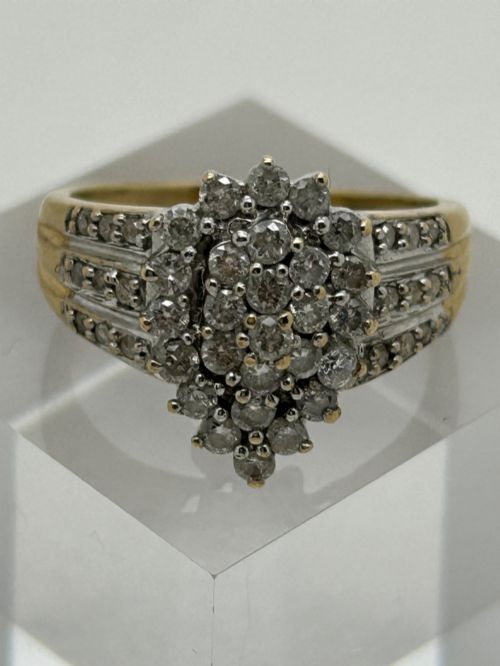
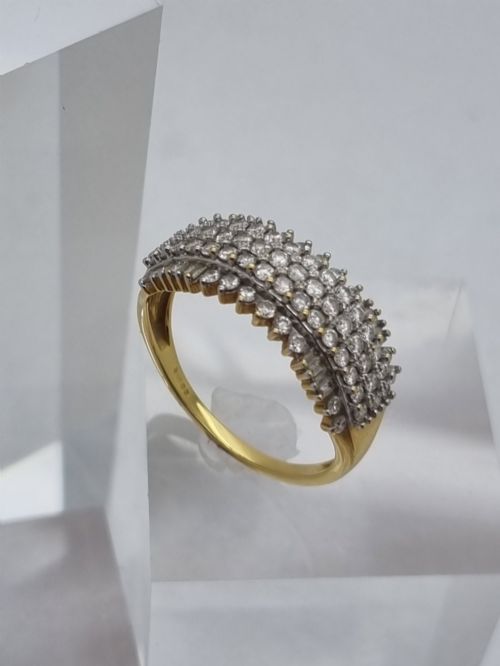
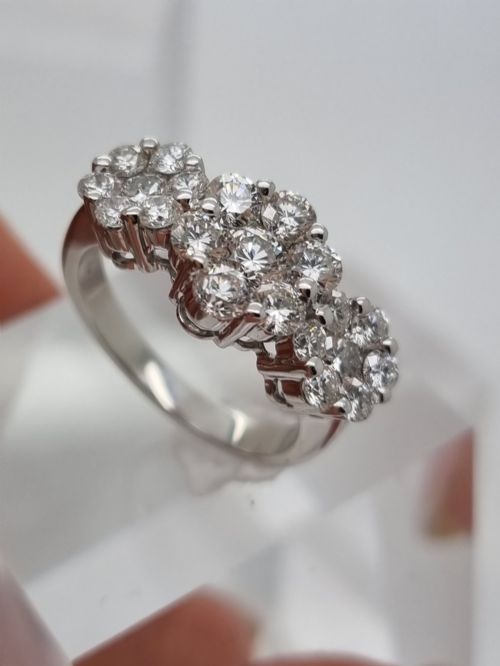
Diamond Cluster Band Ring
A diamond cluster band ring gathers stones tightly together across the finger, offering brilliance and colour from periods ranging from the Victorian era to the mid-twentieth century.
Diamond Cluster Band Ring
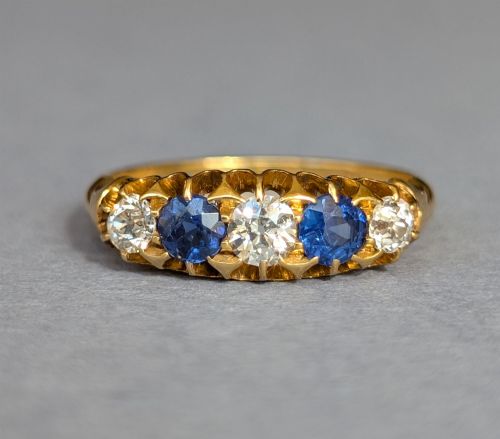
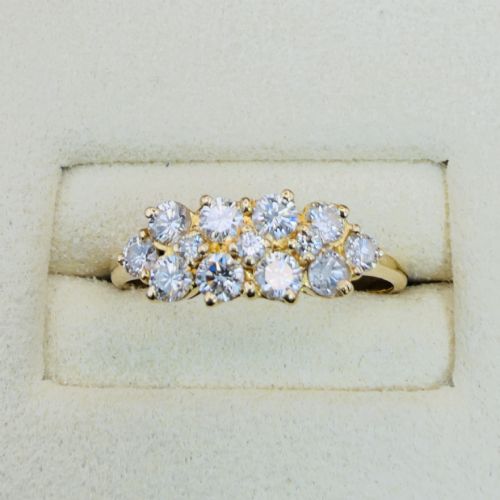
A diamond cluster band ring combines a central stone or central grouping of diamonds with surrounding gems, set compactly upon an 18ct gold, white gold, or platinum band.
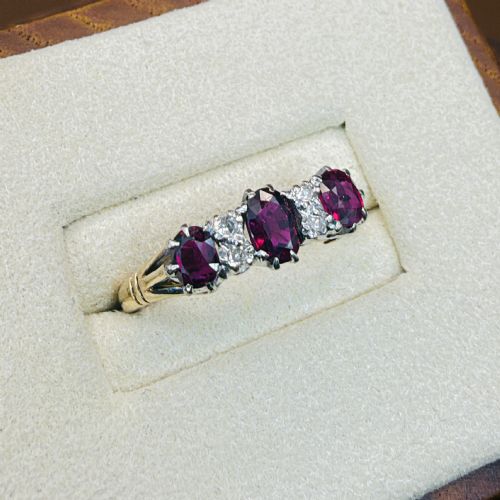
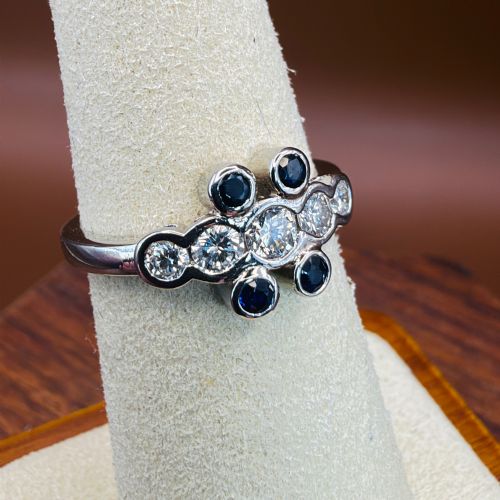
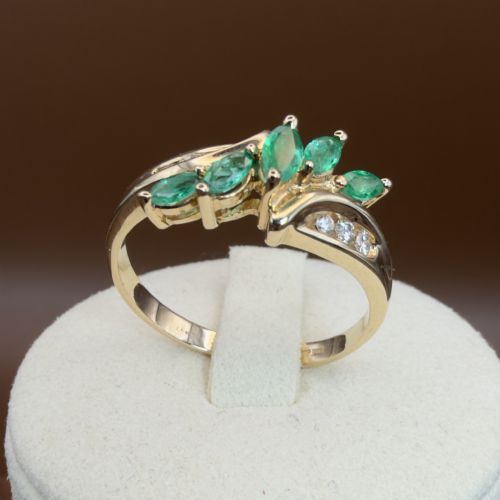
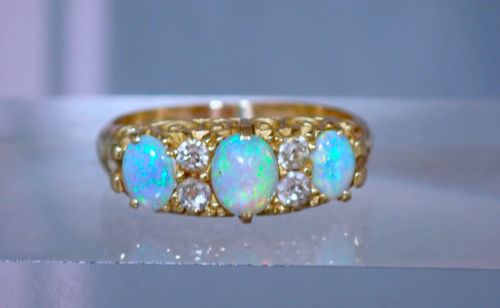
The selection ranges from Victorian and Edwardian examples to Art Deco designs and mid-century dress rings featuring sapphires, rubies, emeralds, opals, and turquoise.
Buyers encounter floral clusters, boat-shaped settings, and geometric arrangements originating from periods including 1900, 1910, 1930, 1950, and 1960.
How they were made
Craftsmen utilised 18ct yellow gold, 14ct gold, white gold, and platinum as the foundational metals for mounting clusters and securing individual stones.
Gems such as brilliant, old-cut, rose-cut, and baguette diamonds were combined with sapphires, rubies, emeralds, and opals using traditional claw, bezel, and flush settings.
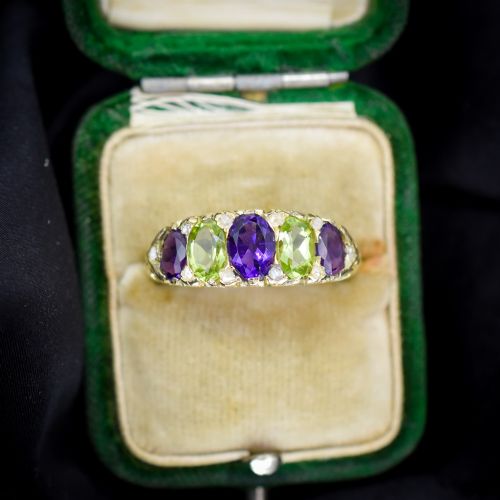
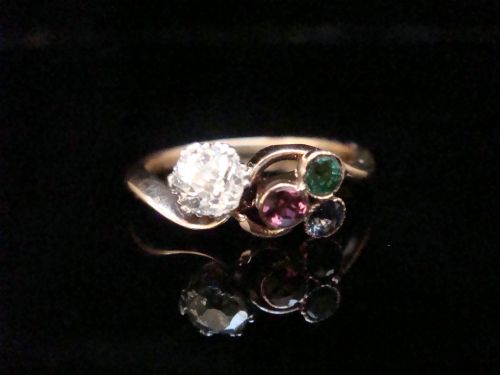
Some rings hide secret messages in gemstones, using emerald, amethyst, and diamond to whisper history from the finger.
What varies in quality
The calibre of a diamond cluster band ring depends on the matching and saturation of coloured gemstones alongside the cut and clarity of the surrounding diamonds.
Subtleties in metalwork, such as the weight of the gold or platinum shank and the precision of the stone arrangement, distinguish standard workshop production from finer period jewellery.
The Diamond Cluster Band Ring Glossary
- Cluster ring
- A ring design featuring a central stone encircled by a group of smaller gems. This layout maximises visual impact and light reflection.
- Boat ring
- A navette-shaped ring setting that tapers gracefully towards each end of the finger. This form was particularly popular during the Edwardian and Victorian periods.
- Old-cut diamond
- A hand-faceted diamond cut before modern machinery standardisation, typically displaying smaller tables and higher crowns. These stones produce a softer candlelight sparkle.
- Platinum
- A dense, durable white metal utilised in fine jewellery manufacture for its strength in secure stone settings. It maintains its colour without plating.
- Suffragette
- jewellery incorporating green, white, and violet stones such as peridot, diamond, and amethyst. These colours represent the historical movement.
Diamond Cluster Band Ring: Frequently Asked Questions
How do I wear a cluster ring daily?
Pair your ring with plain bands to prevent the cluster setting from rubbing against other jewellery.
Check the claws periodically to ensure the central diamonds and surrounding coloured stones remain secure during everyday wear.
What periods are common for these rings?
Victorian and Edwardian examples frequently feature delicate boat shapes and rose-cut diamonds.
Later mid-century pieces from the 1950s and 1960s often showcase bolder yellow gold mounts and brilliant-cut diamond clusters.
Are coloured stones natural in these rings?
Many period pieces incorporate natural sapphires, rubies, emeralds, and opals sourced during their respective eras.
Gemmological reports often accompany mid-century and Art Deco examples to confirm stone origins and treatments.