

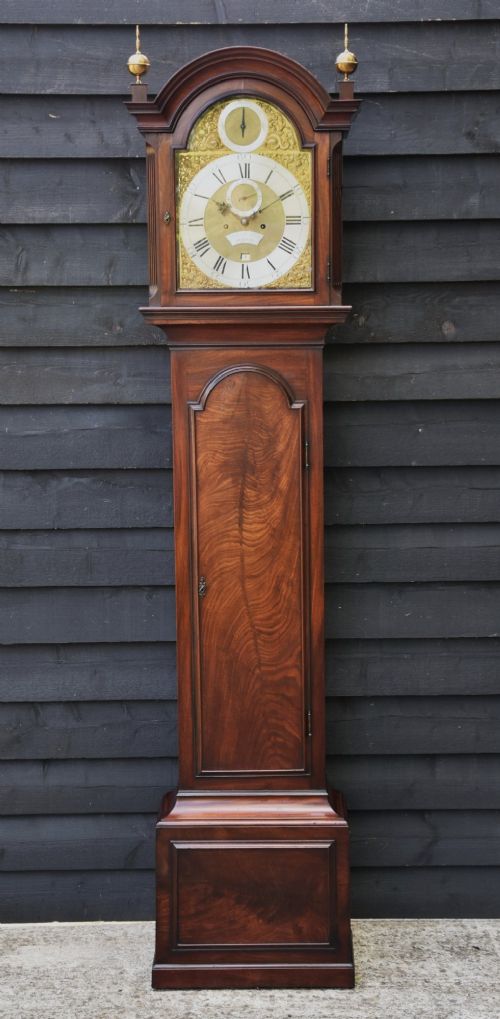
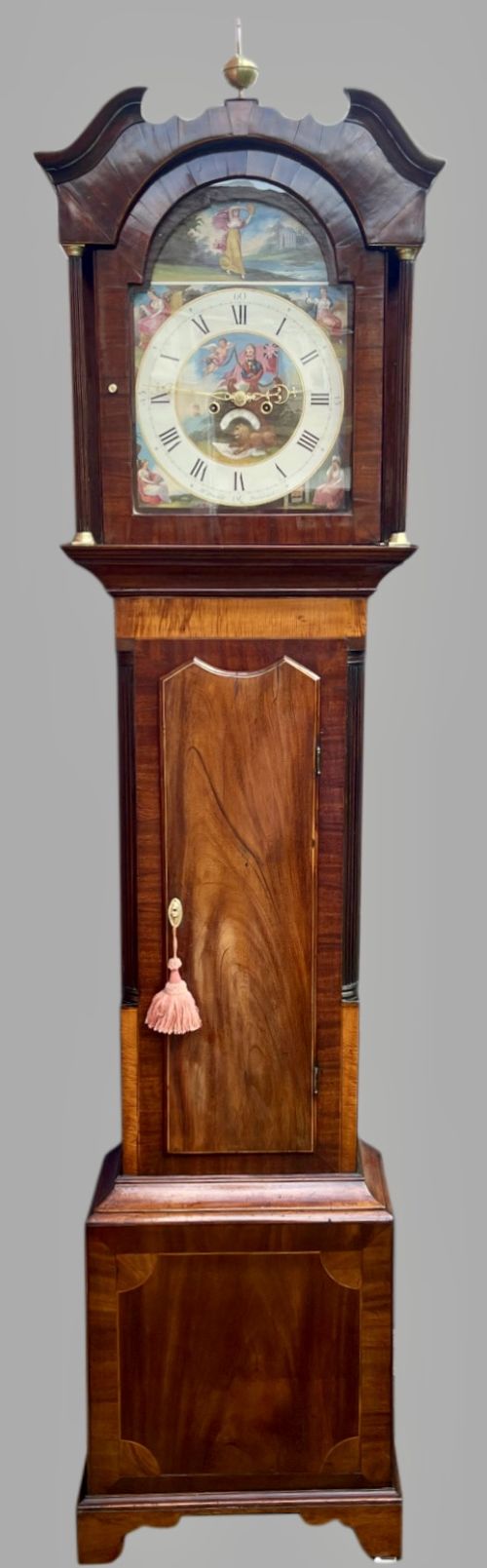
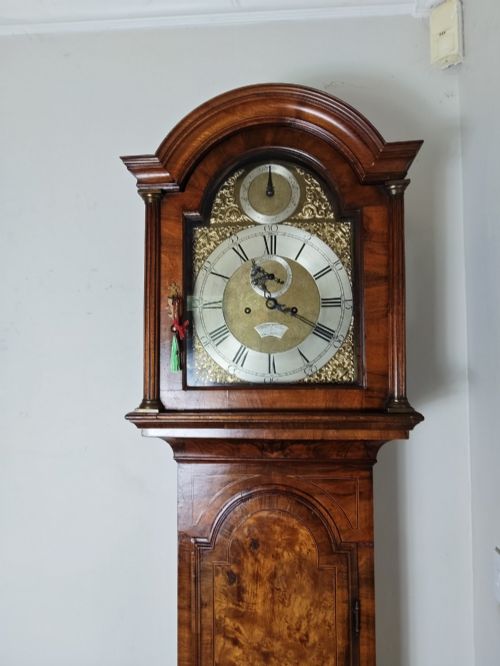
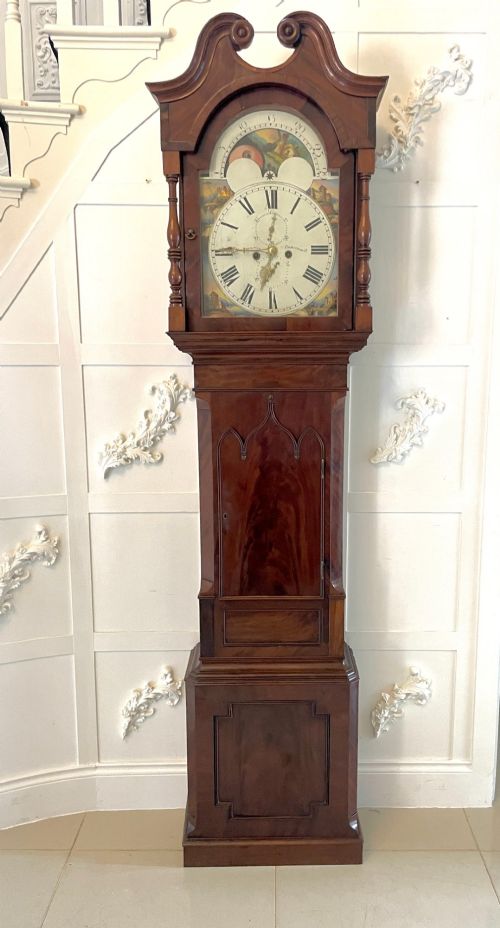
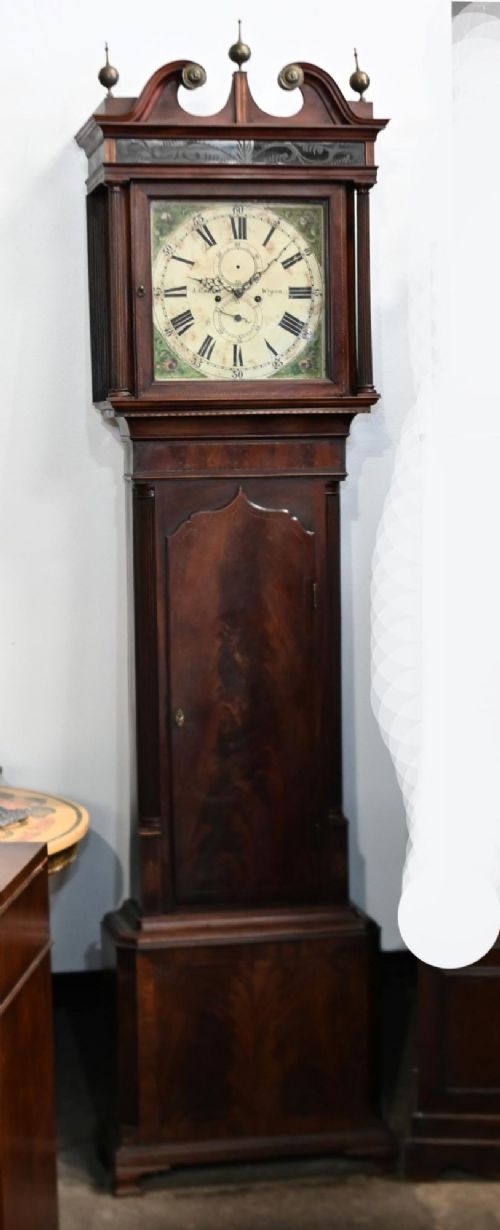
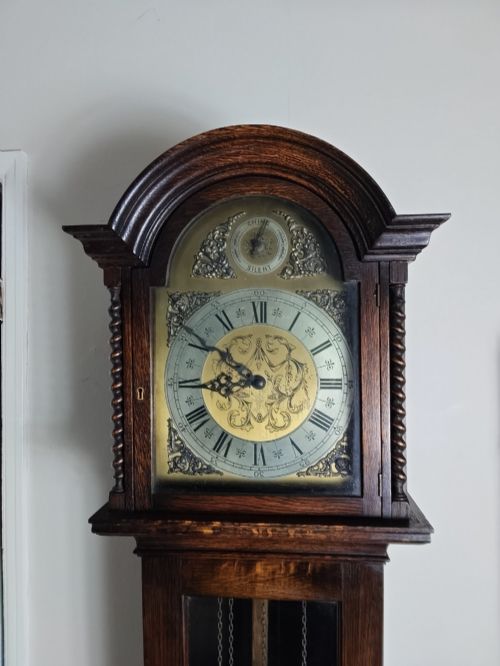
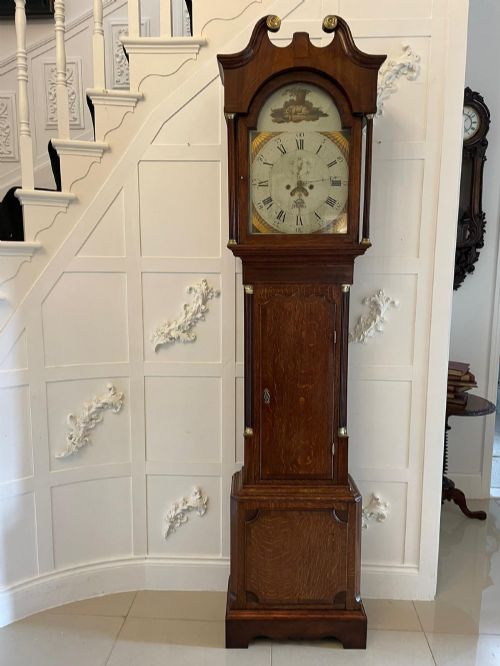
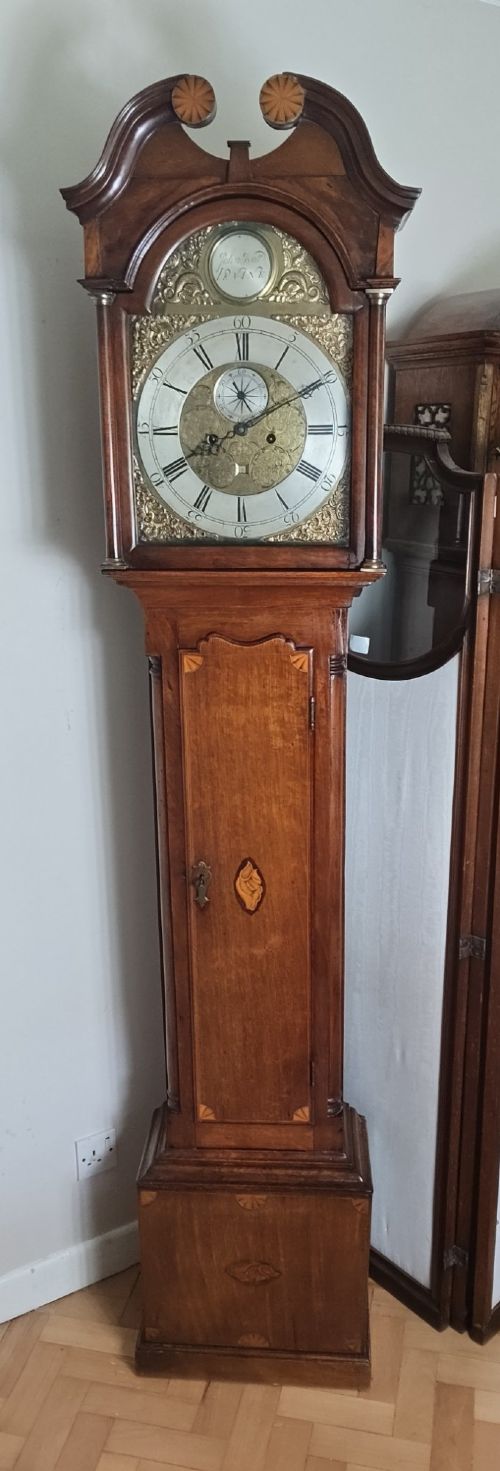
Dial Longcase Clock
A dial longcase clock brings the steady rhythm of the eighteenth and nineteenth centuries directly into a room, measured in mahogany, oak, and brass.
Dial Longcase Clock
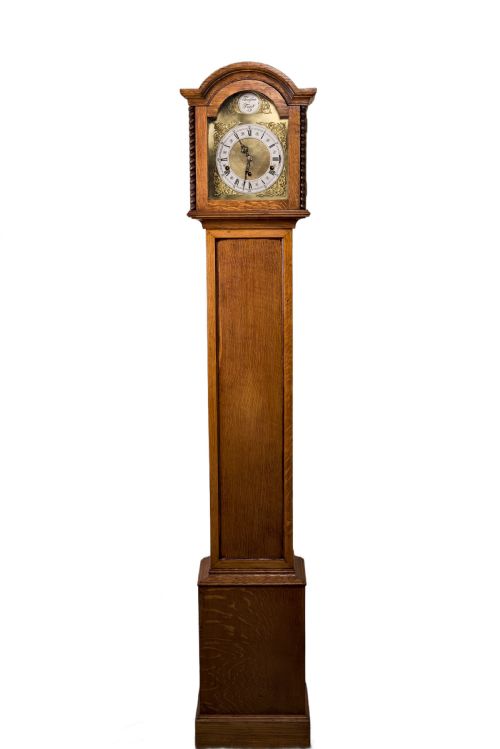
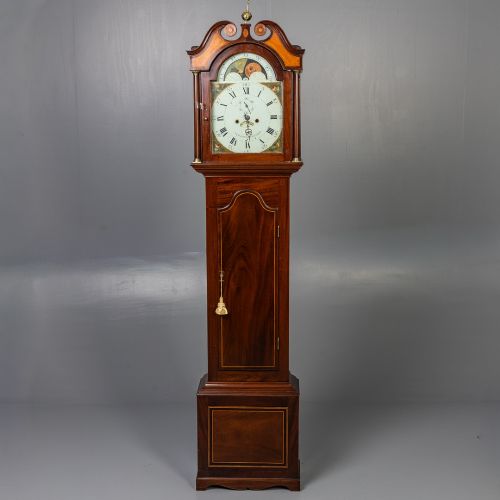
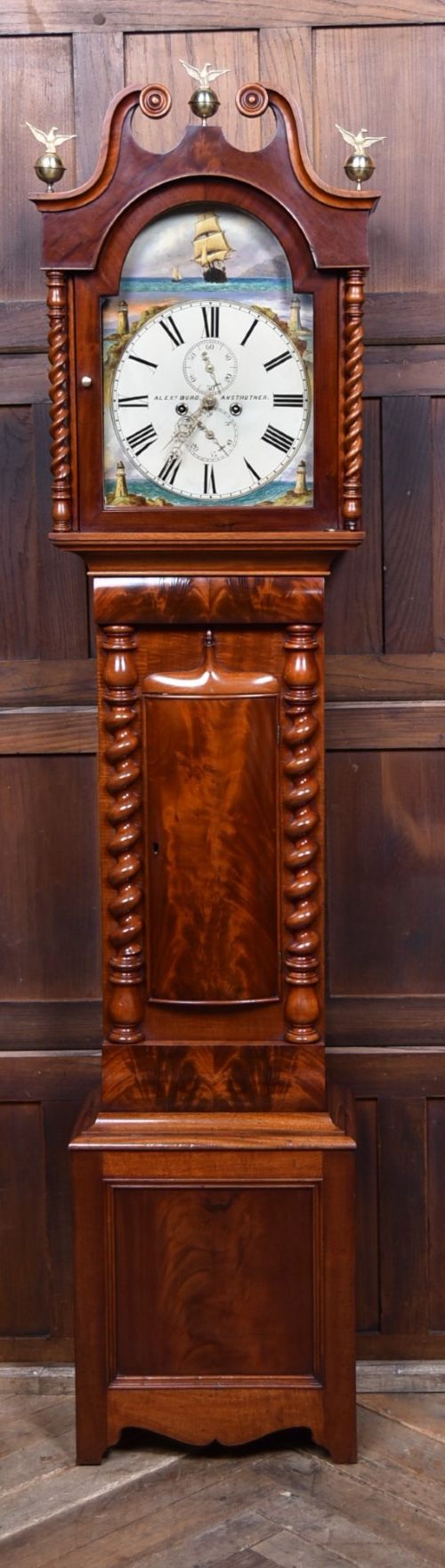
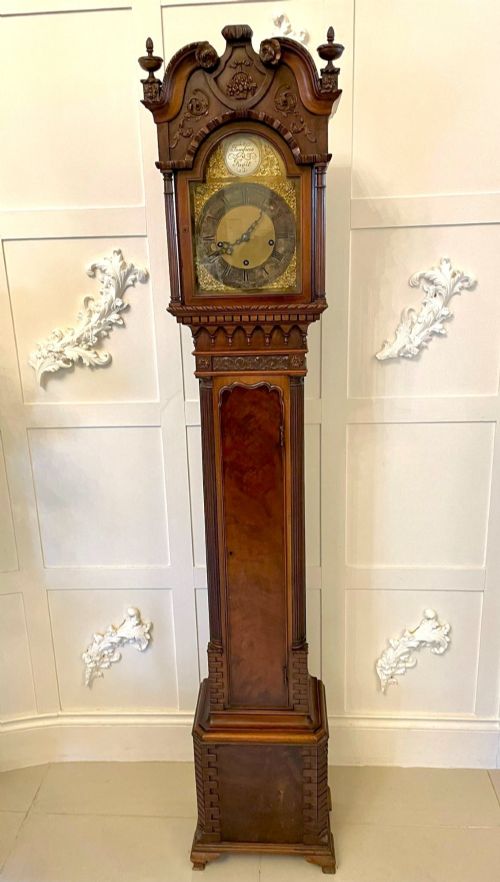
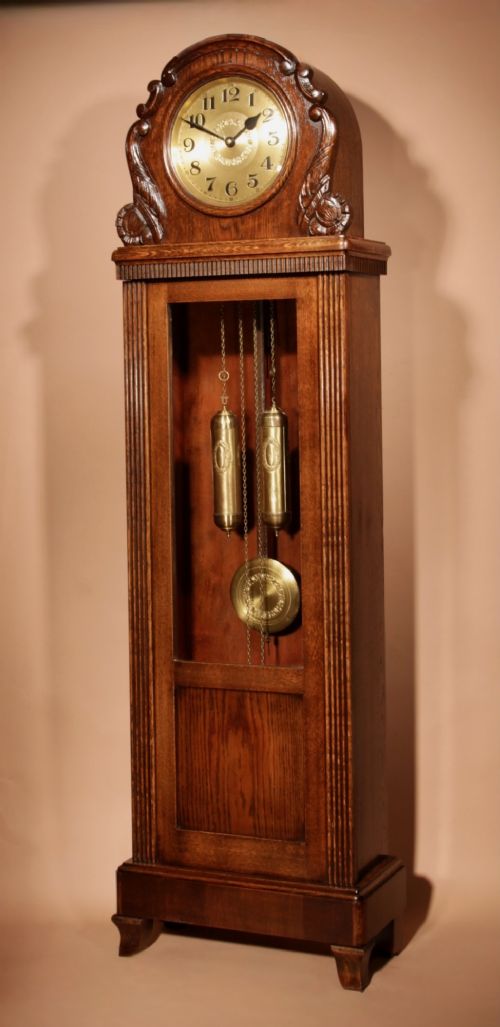
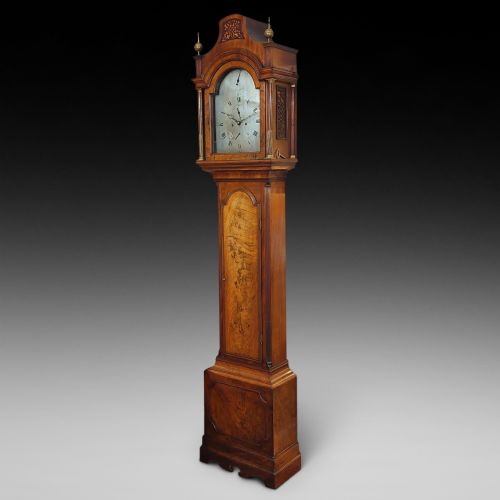
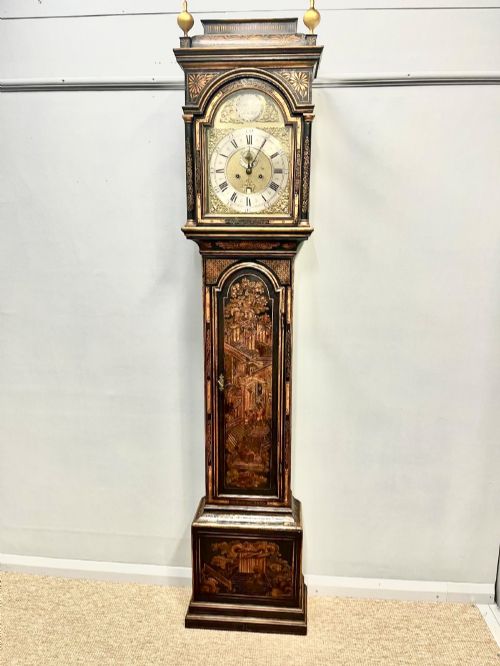
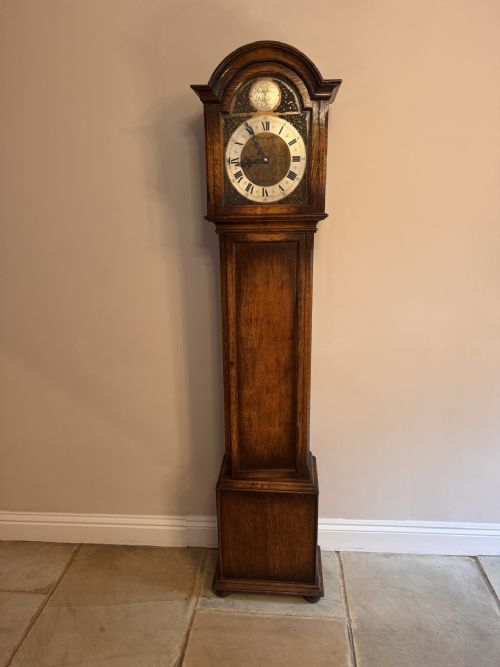
A dial longcase clock is a tall floor-standing timekeeper housing a weighted movement and a prominent circular or arch dial. When searching this phrase, buyers encounter substantial tall case clocks spanning the Georgian, Victorian, and Edwardian eras.
The versions most commonly met on this page range from robust oak examples made in regional workshops to finely figured mahogany pieces from London and Scottish makers. Alongside standard grandfathers, the selection includes smaller grandmother clocks and specialised chiming variations.
These floor clocks served as the primary domestic timekeepers of their day, combining engineering precision with cabinetmaking suited to grand halls and parlours. Surviving examples display regional variations from Wales, Scotland, and English counties.
Materials and construction
Cases were constructed from native timbers such as oak, mahogany, and walnut, often enhanced with marquetry inlay or burr veneers. Cabinetmakers built these tall housings to protect the delicate pendulum and weight-driven movements within.
Dials combined brass, painted iron, and enamel, featuring engraved chapter rings and hand-painted moon phases or calendar displays. Skilled metalworkers cast and finished the brass gear trains and striking mechanisms by hand.
Movements relied on brass wheels, steel pinions, and lead or cast iron weights suspended by cords or chains. Eight-day and thirty-hour movements required precise wheel cutting to maintain accurate time over extended periods.
Dial Longcase Clock Retail Price Guide 2026
Typical asking prices for dial longcase clock among the pieces listed under this phrase on Sellingantiques today, from the lower quarter to the upper quarter. They describe what is for sale here now, not the wider market.
Listings feature dial longcase clocks spanning the Georgian, Victorian, and Edwardian eras, constructed in oak, mahogany, walnut, and brass.
Distinctions in quality
Quality rests upon the harmony between the cabinetmaker's joinery and the horologist's movement. Finely figured timbers, precise carving, and secondary woods chosen with care elevate a case above standard regional production.
Dial execution dictates much of the visual distinction, from crisp brass engraving and silvered chapter rings to detailed hand-painted floral spandrels. Movements signed by notable makers with complex chiming or moon phase complications command closer attention.
Walker of Nantwich·John Taylor London·Edward White Birmingham·Charles Shuckburgh London·Hendrie Ogg Dunfermline·Gordon of Aberdeen·Gillett & Johnston Croydon·Lee of Great Marlow·John Ellicott London·D Straiton Montrose·James Field Hempstead·Richard Corless Stockport·Smith of Chester·James Hendrie Falkirk·James McCabe
The Dial Longcase Clock Glossary
- Arch dial
- A clock face featuring a rounded upper section above the main circular dial, often housing a subsidiary moon phase or strike/silent indicator.
- Grandmother clock
- A smaller, more slender version of the traditional longcase clock, typically produced during the Edwardian period or later.
- Moon phase
- A rotating disc behind the dial that tracks the lunar cycle, visible through a shaped aperture on the clock face.
- Quarter chiming
- A movement mechanism that sounds the quarters of the hour on multiple bells, gongs, or rods.
- Spandrel
- The decorative corner ornamentation flanking the central dial, cast in brass or painted on iron faces.
Dial Longcase Clock: Frequently Asked Questions
Where should a longcase clock be placed?
Position your clock on a firm, level floor against a sturdy wall away from direct sunlight and heavy draughts. A stable environment helps protect the wooden case and keeps the pendulum swinging evenly.
Ensure the floorboards do not flex when walked upon, as vibrations can disrupt the delicate escapement and cause the clock to lose time or stop entirely.
How do eight-day movements work?
An eight-day movement relies on two heavy weights suspended by lines that gradually descend as gravity pulls them down. Winding the clock once a week draws the weights back to the top.
Gear trains translate this falling energy through the escapement to drive the hands and operate any striking or chiming mechanisms fitted to the movement.
How do I distinguish oak from mahogany cases?
Oak cases display a distinct open grain with visible medullary rays, often showing a warm golden-brown hue that deepens with age. Mahogany offers a finer, tighter grain with reddish-brown tones.
Earlier regional clocks lean heavily towards oak and walnut, while later Georgian and Victorian pieces frequently utilise polished mahogany veneers.
What is the difference between a grandfather and grandmother clock?
A traditional grandfather clock stands tall and imposing, designed for grand hallways and high ceilings. Grandmother clocks are significantly shorter and narrower.
These compact alternatives appeared later, offering the mechanical charm of a tall case clock in proportions suited to smaller modern rooms.