



Desk Post Box
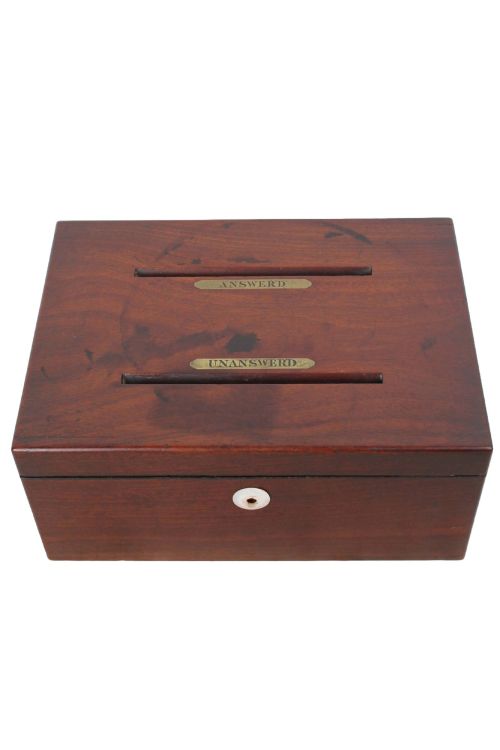
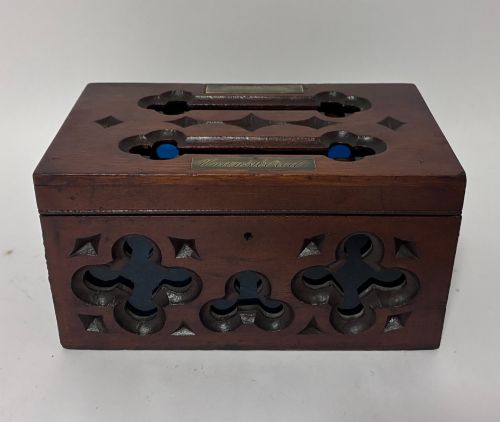
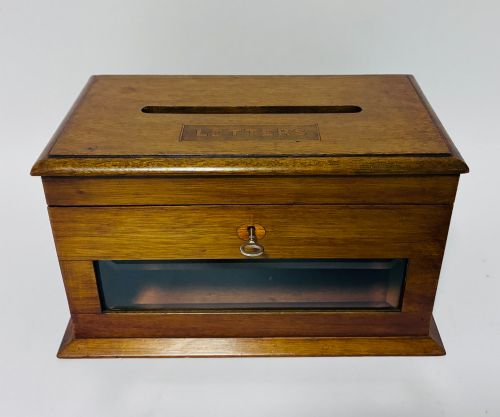
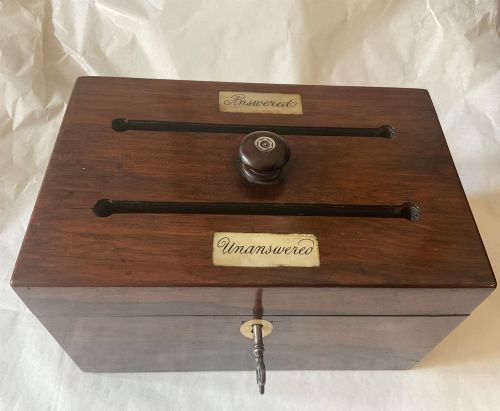
These desk post box examples bring order to correspondence through sturdy timber and brass, offering a tactile piece of writing history for any study.
Desk Post Box
A desk post box provides a dedicated desktop receptacle for sorting incoming and outgoing mail within the home or office. The evidence shows these pieces appearing in various forms such as letter boxes, stationery boxes, and desktop accessories designed for organisation.
The versions most frequently met on this page are substantial country house and hotel examples dating from the Victorian and Edwardian periods, alongside nineteenth century interpretations. These items reflect the heavy correspondence demands of large nineteenth and early twentieth century households.
Makers shaped these utilitarian objects from timber and metal, frequently incorporating compartments for answered and unanswered letters, stamps, and stationery. Collectors encounter both simple utilitarian models and more elaborate decorative forms suited for prominent display on a desk.
Materials and construction methods
Timbers like oak and mahogany form the structural carcass of the majority of pieces, providing durability for daily desktop use. Artisans selected these dense woods for their strength and polished finish.
Brass mountings, hinges, and plates reinforce the wooden bodies while adding metallic contrast to the dark grains of mahogany or the warm tones of golden oak. Glass panels and bone details occasionally appear to assist with viewing contents or labelling.
Specialised decorative techniques distinguish specific pieces, ranging from cut steel decoration on French satinwood to tartanware finishes on smaller stamp holders. Joinery methods reflect period cabinet-making standards, ensuring robust enclosures for letters.
Desk Post Box Retail Price Guide 2026
Typical asking prices for desk post box among the pieces listed under this phrase on Sellingantiques today, from the lower quarter to the upper quarter. They describe what is for sale here now, not the wider market.
Victorian and Edwardian country house items form the core of the available postal box selection.
Distinctions in quality and execution
The grade of materials and the crispness of the carpentry separate standard utility boxes from superior examples. Better pieces utilise figured timbers, substantial brass hardware, and careful internal partitioning for stationery and stamps.
Decorative ambition also divides the range, moving from plain functional oak boxes to French satinwood items featuring intricate cut steel work or specialised novelty functions. The presence of original fitted interiors and functional locking mechanisms elevates the execution of a piece.
The Desk Post Box Glossary
- Correspondence box
- A desktop container specifically sized and partitioned for holding letters, envelopes, and writing paper. These boxes often feature hinged lids and designated slots for sorting post.
- Stationery box
- A desk accessory built to hold folded paper, cards, and writing materials upright within internal dividers. They frequently accompany matching letter boxes on nineteenth century writing desks.
- Tartanware
- Victorian wooden souvenirs and desk items decorated with brightly coloured paper printed in Scottish tartan patterns. These are collected for their specific regional decoration and novelty appeal.
- Gothic Revival
- A nineteenth century architectural and decorative style drawing inspiration from medieval forms, often seen in pointed arches and heavy ironwork. Pieces in this style display dramatic proportions and architectural moulding.
- Arts and Crafts
- A design movement valuing honest construction, visible grain, and handcrafted execution over mass production. Oak letter boxes from this movement emphasise simple lines and sturdy construction.
Desk Post Box: Frequently Asked Questions
What is a desk post box?
A desk post box is a tabletop receptacle used during the nineteenth and early twentieth centuries to organise incoming and outgoing mail. These boxes provided a secure place to store letters before collection or filing.
Most examples feature hinged lids, letter slots, and internal compartments tailored for envelopes, stamps, and writing paper.
How were they used in period homes?
In large country houses and hotels, these boxes gathered daily correspondence from various rooms or served as a central sorting point for the household. Servants or residents placed letters inside ready for the morning or evening post.
Some specialised versions included dual compartments labelled for answered and unanswered letters to manage a heavy volume of correspondence.
How do I date a wooden letter box?
Dating relies on observing the timber choice, construction style, and period characteristics such as brass hardware design. Victorian and Edwardian examples often feature heavy oak or mahogany with substantial brass mounts and locks.
Nineteenth century pieces display traditional dovetail joinery and hardware styles that align with broader antique furniture eras like the Regency or Arts and Crafts movements.
Are these boxes suitable for modern desks?
These pieces function well on modern desks for organising contemporary mail, stationery, or electronic tablets and notebooks. Their sturdy timber construction and compartmentalised interiors suit current desktop organisation needs.
Placing an antique letter box on a modern work surface introduces period character while keeping loose paper and correspondence neatly contained.