




Derby Porcelain Sculpture
These derby porcelain sculpture examples bring 18th-century figural art into a room with soft-paste bodies and hand-painted enamel details.
Derby Porcelain Sculpture
When you search for derby porcelain sculpture, you encounter figures and figure groups that capture mythological subjects, allegories, and pastoral scenes from the Georgian era.
The pieces on this page span the mid-18th century to the 19th century, with a strong representation of Georgian Rococo and Neoclassical styles.
Common forms include single figures like flower sellers and shepherds alongside complex figure groups depicting classical deities and allegories such as the elements and continents.
Materials and manufacture
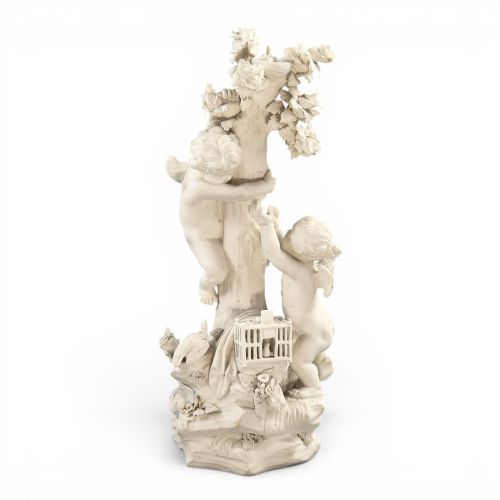
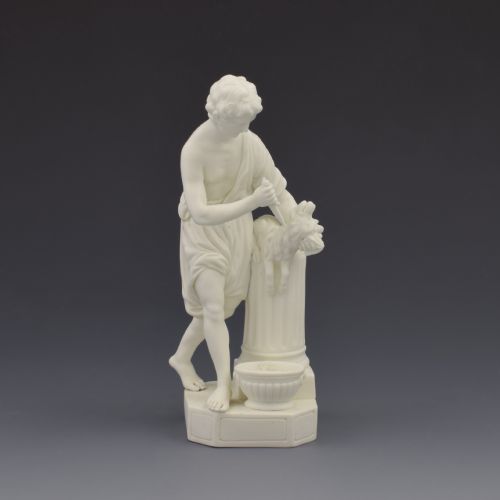
The earlier works utilise soft-paste porcelain, a body that yields a warm translucency under lead glaze, whilst later pieces often employ biscuit porcelain with its matte, unglazed surface resembling marble.
Makers enriched these sculptures using hand-painted enamel colours and delicate applications of gold leaf and gilding to highlight garments and attributes.
Background elements frequently feature bocage work, creating leafy arbours that frame the central figures.
Derby Porcelain Sculpture Retail Price Guide 2026
Typical asking prices for derby porcelain sculpture among the pieces listed under this phrase on Sellingantiques today, from the lower quarter to the upper quarter. They describe what is for sale here now, not the wider market.
Father Time clips Cupid's wings with surprising regularity in these Staffordshire-adjacent pastoral scenes.
Judging quality
Quality rests upon the crispness of the modelling in the clay and the delicacy of the hand-painted enamels, which separate ambitious studio output from simpler work.
The survival of intricate peripheral details such as foliage, fingers, and attributes dictates the standing of an individual sculpture.
The Derby Porcelain Sculpture Glossary
- Biscuit porcelain
- Unfired or unglazed porcelain that is fired to a matte finish resembling marble. This medium gained favour for classical figures and allegorical groups.
- Soft-paste porcelain
- An artificial porcelain body developed before the discovery of true hard-paste kaolin clay in England. It has a characteristic warm tone and softer glaze.
- Bocage
- Applied ceramic foliage and branches forming a leafy backdrop behind a figure. It provides structural support and a naturalistic setting.
- Gilding
- The application of gold leaf or gold paint to highlight details such as garments, borders, and bases. It signals finer finishing work on cabinet pieces.
Derby Porcelain Sculpture: Frequently Asked Questions
What subjects do these figures show?
The sculptures depict classical gods, mythological narratives, and allegorical representations of the four elements and continents. Pastoral characters like shepherds and flower sellers also feature prominently.
These themes reflect the taste of 18th-century collectors who favoured classical learning and idealised pastoral life for their cabinet displays.
How do I distinguish biscuit porcelain?
Biscuit porcelain lacks the glossy transparent lead glaze found on standard figures, presenting a smooth, matte white surface instead. This finish was chosen to imitate carved marble sculpture.
It allows fine details in the modelling of flesh and drapery to remain sharp without being softened by a thick layer of glaze.
Where were these sculptures made?
They originated from the Derby porcelain works during the Georgian period, encompassing both early factory production and later Chelsea-Derby influences.
The manufactory produced domestic ornaments that were painted and glazed on site before distribution to fashionable buyers.
How should I display them?
These figures suit enclosed cabinets or sturdy mantelpieces where their hand-painted enamels and delicate forms are protected from knocks. Adequate lighting highlights the modelling of the soft-paste bodies and biscuit surfaces.
Positioning them away from direct sunlight preserves the vibrancy of the enamel colours over time.