





Derby Figure Sculpture
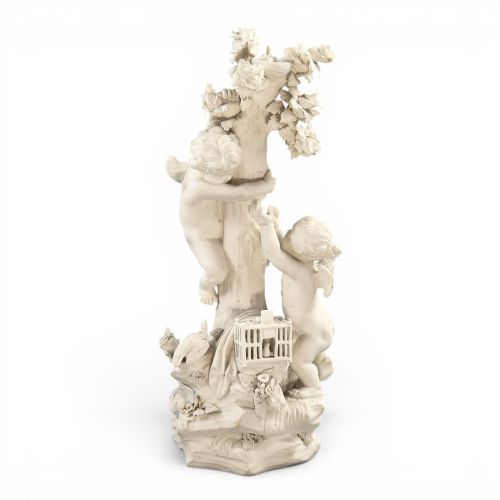
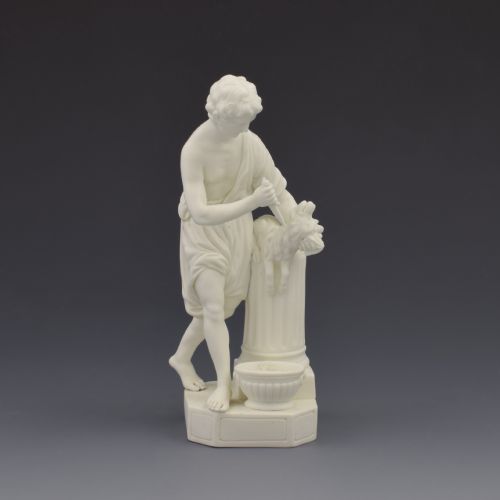
Derby figure sculpture captures the imagination with porcelain craftsmanship from Georgian, 19th Century, and 1920 periods, offering delightful pastoral and mythological subjects for display.
Derby Figure Sculpture
When you search for derby figure sculpture, you encounter porcelain figurines and sculptures spanning Georgian, 18th Century, 1800, 19th Century, and 1920 eras. These pieces take the form of individual figurines, pairs, and elaborate figure groups depicting mythological figures, pastoral scenes, and allegorical subjects.
The most common examples on this page are Georgian soft-paste porcelain pieces, such as allegories of the elements or continents, shepherds, and classical deities like Zeus and Father Time. You also find specialised items like biscuit porcelain figures and later 1920 commemorative pieces including the horse and jockey Derby winner.
Makers and regional influences vary, with classic English production represented alongside pieces in the Chelsea-Derby style and occasional continental interpretations like German porcelain pastoral figures.
Evaluating quality and execution
The sophistication of the modeling separates superior examples from simpler ones, particularly in multi-figure groups like the Three Graces or Father Time clipping Cupid's wings. Crisp definition in facial expressions, drapery folds, and anatomical details indicates a master hand at the modeling bench.
The application of hand painting and gilding contributes significantly to the visual appeal, where precise enamel work and generous gold leaf highlights elevate the piece. Pieces featuring intricate bocage and delicate floral elements demand exceptional skill to execute without distortion.
Derby Figure Sculpture Retail Price Guide 2026
Typical asking prices for derby figure sculpture among the pieces listed under this phrase on Sellingantiques today, from the lower quarter to the upper quarter. They describe what is for sale here now, not the wider market.
Listings feature soft-paste porcelain, biscuit porcelain, and enamel materials across Georgian, 18th Century, and 1920 periods.
The Derby Figure Sculpture Glossary
- Biscuit porcelain
- Unadorned, unglazed porcelain fired to a matte finish that resembles marble. This technique gained popularity for neoclassical figures because it highlights fine sculptural modeling without glossy reflection.
- Soft-paste porcelain
- An artificial porcelain composition fired at lower temperatures than hard-paste, common in early English factories. It produces a warm, slightly translucent body well suited to soft glaze effects.
- Bocage
- Background foliage made of applied porcelain leaves and flowers that frames pastoral or animal groups. It adds a decorative canopy behind figures such as stags or shepherds.
- Gilding
- The application of gold or gold leaf onto the porcelain surface to highlight garments, bases, and decorative trim. This finish is often added in a secondary firing.
- Lead glaze
- A glossy coating containing lead oxide applied to early porcelain bodies to give a smooth finish. It seals the porous soft-paste material and deepens the underlying enamel colours.
Derby Figure Sculpture: Frequently Asked Questions
What is a derby figure sculpture?
A derby figure sculpture is a ceramic figurine or group produced by the Derby porcelain works or in that stylistic tradition. These pieces depict mythological deities, allegorical themes, animals, and pastoral subjects.
They serve primarily as decorative mantel or table ornaments, reflecting the artistic tastes of the Georgian period and later eras through detailed modeling and hand-painted decoration.
How do I identify a Georgian piece?
Georgian pieces are typically identified by their soft-paste porcelain bodies, hand-painted enamel palettes, and characteristic modeling styles from the eighteenth century. Look for early production markers such as unglazed flat bases and naturalistic subjects like shepherdesses or classical allegories.
Reference materials and model numbers, when present, help confirm the eighteenth-century origin of figures representing elements, seasons, or mythological narratives.
What is biscuit porcelain?
Biscuit porcelain is unglazed ceramic fired once to create a matte, porous surface with a texture similar to fine marble. It was widely used for neoclassical subjects because it shows off crisp sculptural details.
This finish avoids the shiny reflection of traditional glazes, allowing the play of light across the bare porcelain body to define the contours of the figures.
How should I care for porcelain figures?
Porcelain figures require gentle handling and placement away from direct sunlight and areas prone to sudden temperature changes. Dust them carefully with a soft, dry brush.
Avoid using water or liquid cleaners, particularly on pieces with hand-painted enamels, gilding, or delicate applied bocage that might loosen or wear away.