





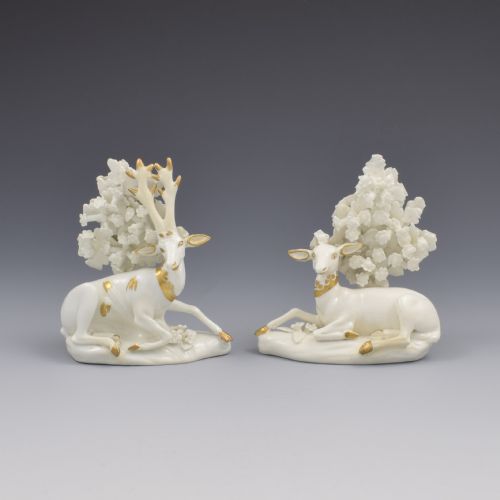


Derby Figure Ornament
These derby figure ornament examples span Georgian pastoral groups to later revivals, offering collectors charming ceramic representations of mythological subjects, animals, and street vendors.
Derby Figure Ornament
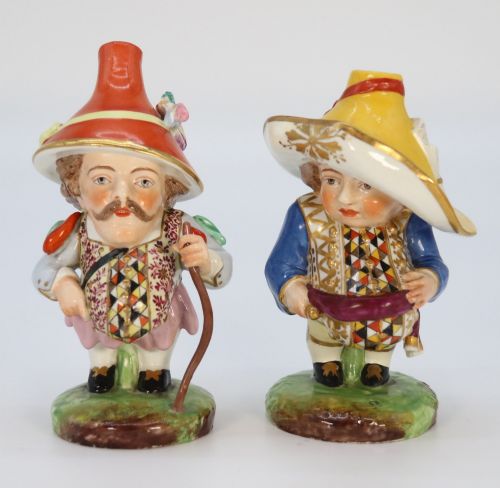
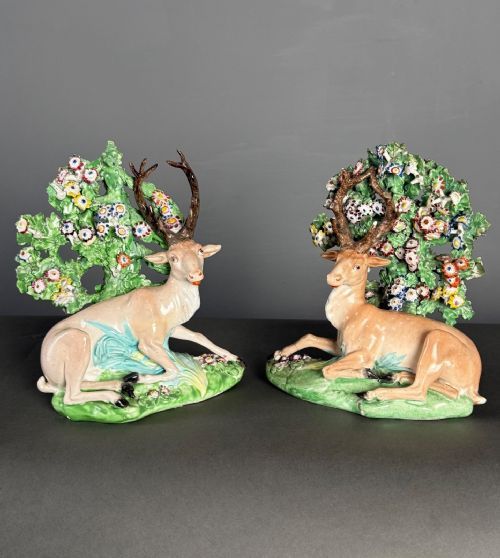
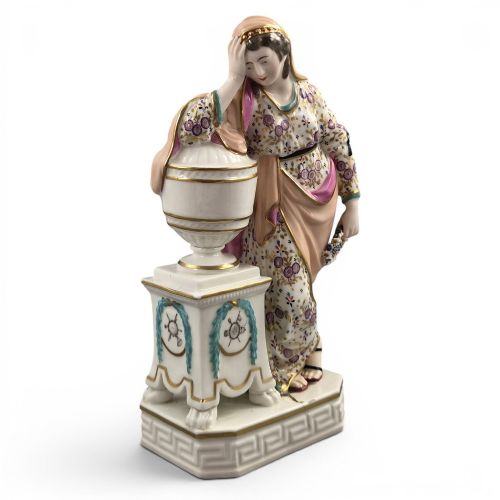
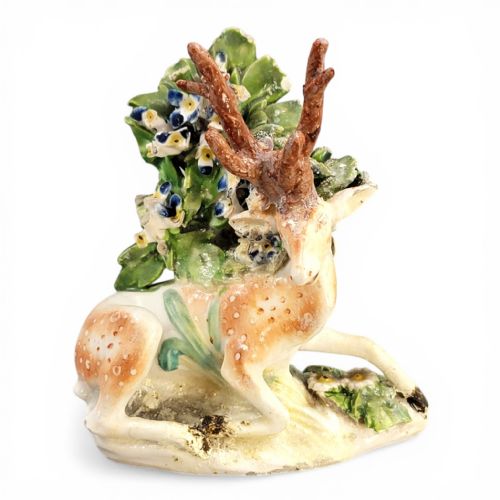
A derby figure ornament represents human, animal, or allegorical subjects modelled in ceramic form, originating primarily from English production centres during the eighteenth and nineteenth centuries. These sculptures depict pastoral figures, theatrical characters, classical deities, and natural wildlife such as stags and sheep.
Buyers encounter early soft-paste porcelain models featuring bocage backgrounds alongside later hard-paste revival pieces and Continental interpretations inspired by the Derby style. The selection includes individual figurines, balanced pairs, and elaborate figure groups depicting seasonal or allegorical themes.
Materials and methods of production
The pieces rely primarily on soft-paste porcelain and standard porcelain bodies, shaped by hand or moulded into sculptural forms. Artisans applied lead glazes to seal the ceramic surface, creating a smooth finish suitable for subsequent painting.
Decoration involved hand-painting with polychrome enamels, supplemented by gold leaf and gilding to highlight garments, attributes, and bases. Backgrounds often incorporated intricate bocage foliage made separately and attached before firing.
Derby Figure Ornament Retail Price Guide 2026
Typical asking prices for derby figure ornament among the pieces listed under this phrase on Sellingantiques today, from the lower quarter to the upper quarter. They describe what is for sale here now, not the wider market.
The listings encompass Georgian, Regency, and Victorian periods, utilising soft-paste porcelain, enamel, and gold leaf across diverse sculptural forms.
Factors influencing execution and finish
Quality rests upon the crispness of the modelling and the preservation of fine details in the facial expressions, drapery, and surrounding foliage. Superior examples display precise underglaze or overglaze enamel painting executed with minimal pigment pooling.
The sophistication of the gilding and the integrity of the porcelain body also distinguish finer output, particularly where delicate elements like bocage survive intact without extensive restoration.
William Duesbury and Co·Bloor Derby·Samson of Paris
The Derby Figure Ornament Glossary
- Bocage
- A background of applied porcelain foliage and leaves, frequently found behind eighteenth-century figures. This leafy arbor provides a naturalistic setting for pastoral subjects.
- Soft-paste porcelain
- An artificial ceramic compound made from clay, glass frit, and other materials, fired at lower temperatures than hard-paste porcelain. It yields a warm texture and a slightly creamy glaze.
- Patch period
- An early manufacturing phase identified by circular kiln support marks on the base of the porcelain. These unglazed spots result from the method used to support pieces during firing.
- Enamel
- Coloured vitreous glass used for painting details over the glazed ceramic surface. Artisans apply these pigments before a secondary low-temperature firing.
- Gilding
- The application of gold leaf or powdered gold to the surface of the ceramic. This technique accents borders, garments, and bases.
Derby Figure Ornament: Frequently Asked Questions
What periods do these figures cover?
The pieces span from the mid-eighteenth century Georgian era through the Regency and Victorian periods into the early twentieth century. Listings include various production phases such as the patch period and the Bloor tenure.
Later Continental interpretations also appear, reflecting revival styles inspired by original English models.
How were these ornaments used?
These ceramic sculptures served as decorative mantelpiece ornaments and table centrepieces for affluent households during the Georgian and Victorian periods. They functioned as conversation pieces expressing classical learning, pastoral ideals, or allegorical themes.
Pairs of figures were often arranged symmetrically across interior furniture.
How do I identify early pieces?
Early examples often feature soft-paste porcelain bodies with characteristic patch marks on the unglazed base from kiln furniture. They frequently incorporate botanical bocage backgrounds behind the figures.
Stylistic markers include Rococo scrolls and hand-painted polychrome enamel palettes typical of eighteenth-century workshops.
What subjects are most common?
Common subjects include pastoral shepherds, street vendors, theatrical personalities, and mythological deities such as Jupiter and Juno. Animal figures, notably stags, deer, and sheep, also feature prominently.
Allegorical representations of the continents and elements frequently occur in multi-figure sets.