





Decorative Wooden Light
These decorative wooden light pieces combine sculptural form with period illumination, offering warmth and historical character to any interior.
Decorative Wooden Light
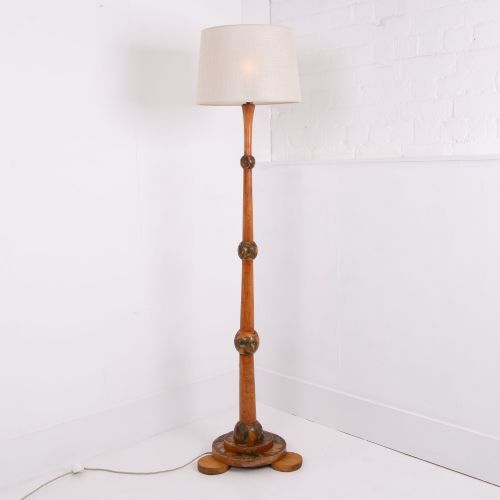
A decorative wooden light encompasses items designed to illuminate rooms, spanning wall sconces, floor lamps, table lamps, and candlesticks. Examples range from eighteenth-century Continental altar-type candle-holders to nineteenth-century Italian wall lights and French standard lamps.
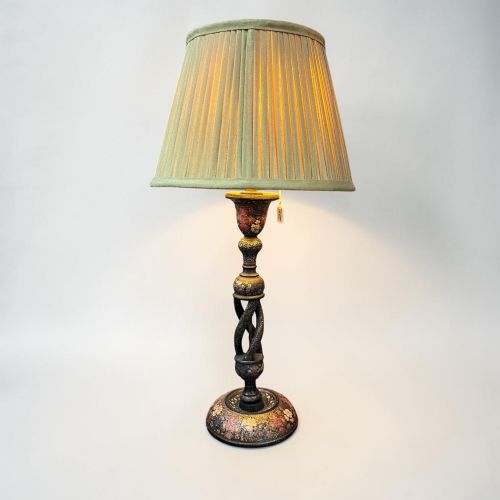
Buyers encounter diverse regional expressions within the inventory, including Anglo-Indian mirrored sconces, Kashmiri table lamps, and Welsh folk art pieces. These items utilise carved wood, gesso, and giltwood structures to create functional objects with distinct sculptural presence.
How they were made
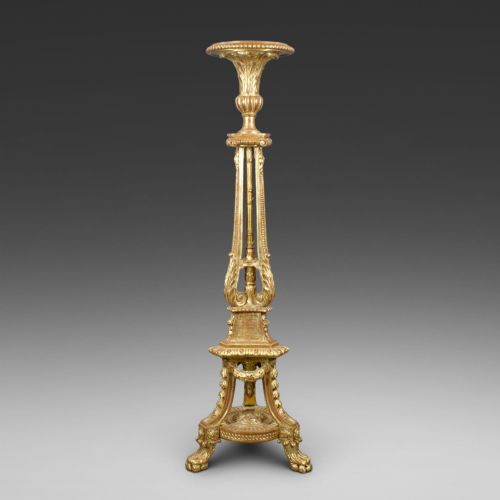
Maker construction relies heavily on carved wood and oak foundations, often enhanced with gesso and gold leaf applications. Surface decoration frequently incorporates paint and polychrome wax finishes, alongside silver-gilt treatments seen on Italian wall lights.
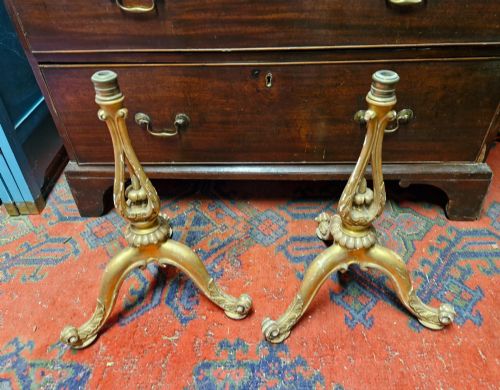
Many items integrate brass fittings and glass elements to support their lighting function, while others adapt earlier carved figures, such as life-size oak sculptures or tripod bases, into functional lamps and candle holders.
Decorative Wooden Light Retail Price Guide 2026
Typical asking prices for decorative wooden light among the pieces listed under this phrase on Sellingantiques today, from the lower quarter to the upper quarter. They describe what is for sale here now, not the wider market.
Several pieces feature initialled and dated Welsh lovespoons, proving that utility and romance have long shared the same piece of timber.
What varies in quality
Quality differences emerge in the depth and execution of the wood carving, distinguishing standard turnings from detailed figural work and baroque altar-type proportions. The preservation of original surface treatments, such as polychrome paint and giltwood layers, significantly influences the integrity of each piece.
Scale and complexity also set examples apart, ranging from simple single-arm wall lights to large pairs of standard lamps and architectural torcheres. The harmony between the original wooden base and subsequent adaptations for electrical wiring dictates the overall success of the object.
The Decorative Wooden Light Glossary
- Giltwood
- Wood that has been coated with gold leaf or a gold-coloured finish. This technique highlights carved details on frames, light fittings, and decorative furniture.
- Gesso
- A plaster-like mixture applied to wood surfaces to prepare them for painting or gilding. It provides a smooth base that holds crisp sculptural detail.
- Sconce
- A wall-mounted lighting fixture designed to hold candles or electric bulbs. Historical examples often incorporate mirrored panels to reflect and amplify the light.
- Polychrome
- Decorated in multiple colours, typically applied to wood or plaster surfaces. This finish is frequently found on folk art and Continental decorative pieces.
- Torchere
- A tall ornamental stand or candlestick designed to support a light source. These freestanding supports often feature elaborate carving and gilt decoration.
Decorative Wooden Light: Frequently Asked Questions
How do I wire an antique wooden lamp?
Rewiring requires routing modern flex safely through the existing timber channel without damaging the internal structure or historic surface. Professional installation ensures that fittings comply with current safety standards while preserving the integrity of the piece.
Many floor lamps and table lamps have been adapted from earlier standards or figures over time. Working with a specialist who understands period wiring preserves the physical stability of the wood.
Can I use modern bulbs in these lights?
Low-heat LED bulbs are suitable for historic fittings because they reduce thermal stress on fragile wood, gesso, and paint finishes. Matching the correct wattage keeps the surrounding materials safe from drying out or cracking.
Older candle holders and sconces may require subtle shade modifications or candle-tube adapters for everyday use. Maintaining appropriate output keeps the illumination warm without overwhelming the original design.
How should I clean gilded wood?
Dusting requires a soft, dry brush or microfibre cloth to lift surface particles without abrading the delicate gold leaf or gesso layers. Moisture and chemical cleaning agents can dissolve historic finishes and must be avoided entirely.
Items displayed near heat sources or direct sunlight need careful placement to prevent the wood from warping. Regular gentle maintenance preserves the patina built up over centuries.
Are these lights stable on carpets?
Large floor lamps and heavy standard lamps require a firm, level surface to prevent tipping, especially when resting on thick carpets. Placing small, discreet supports beneath the base can improve stability on uneven historic floors.
Tripod bases and multi-arm wall lights distribute weight differently depending on their construction period. Checking the balance point ensures safe daily use in busy rooms.