



Decorative Wooden Frame
A decorative wooden frame holds a mirror, painting or photograph, bringing texture and craftsmanship to a room.
Decorative Wooden Frame
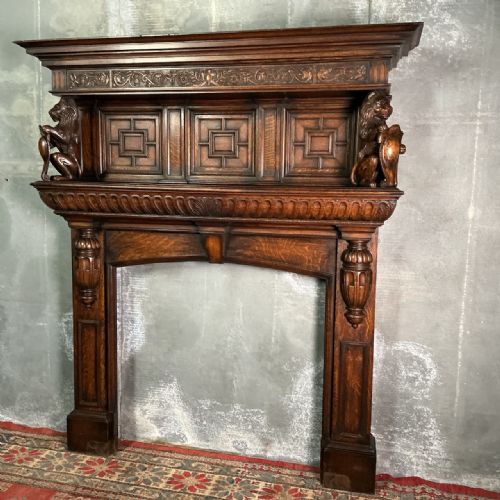
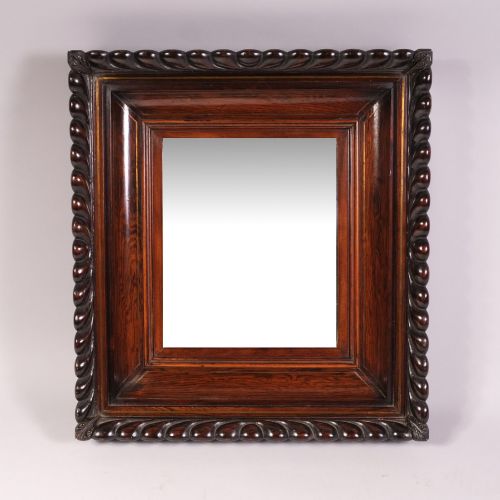
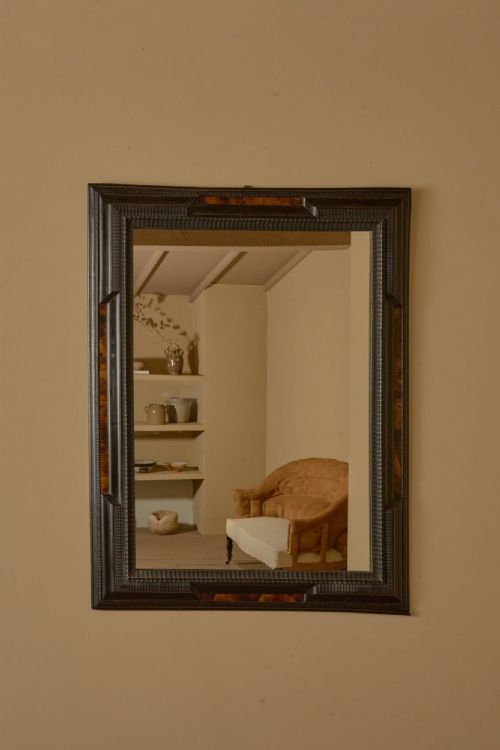
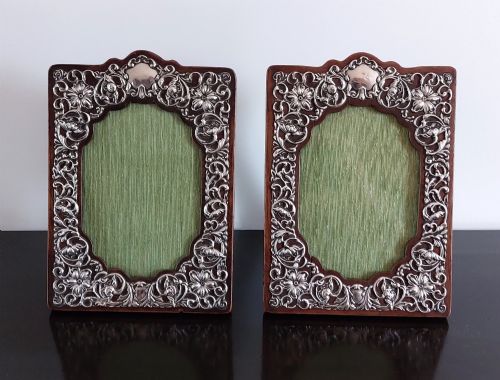
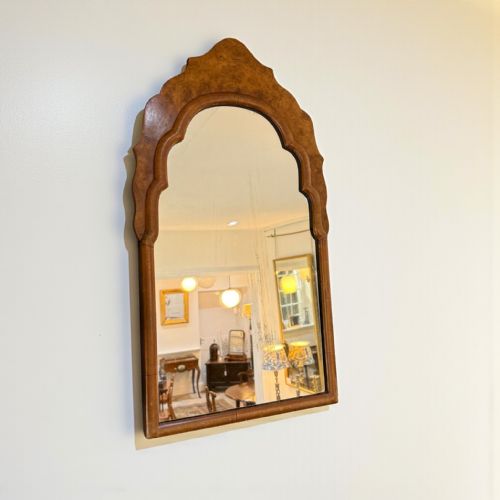
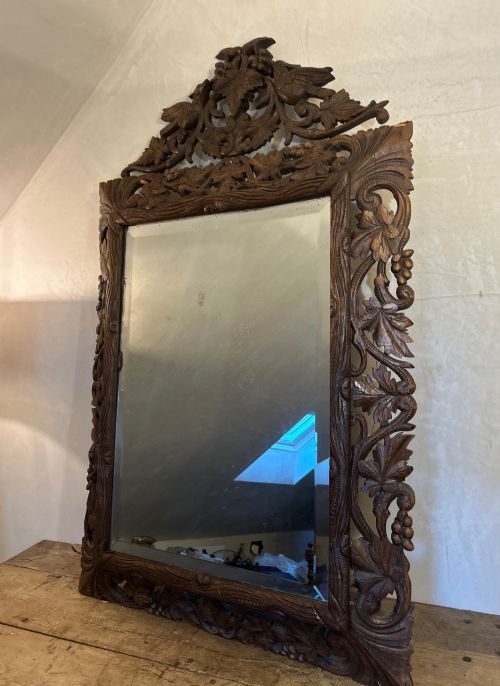
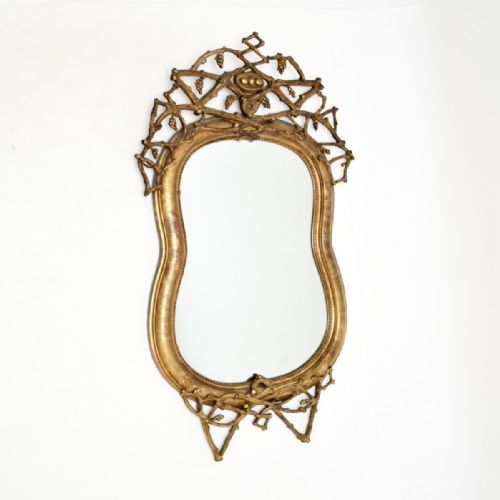
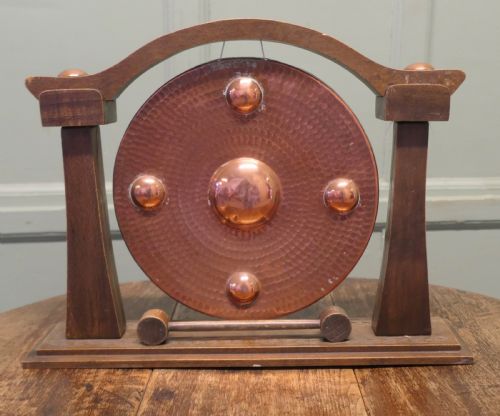
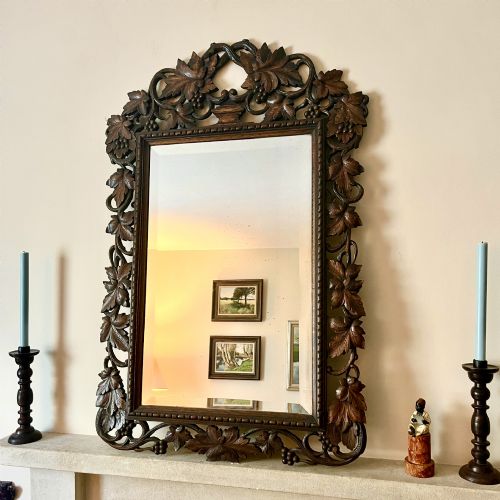
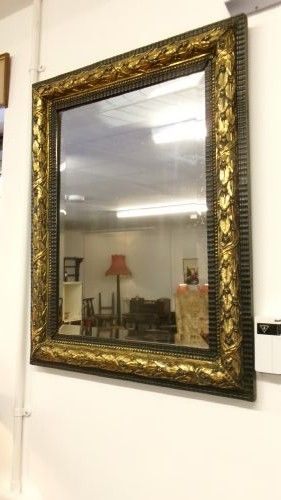
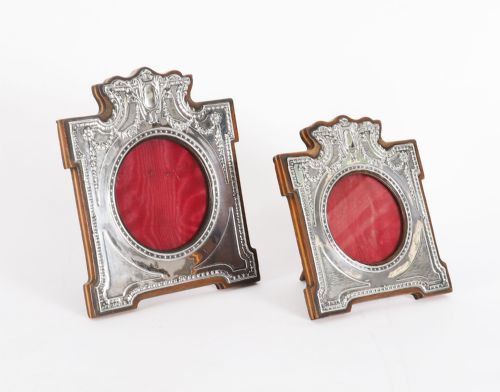
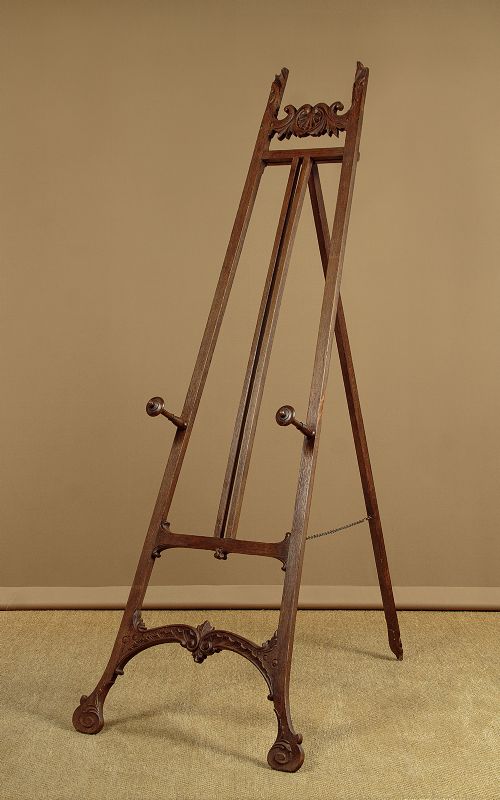
A decorative wooden frame encompasses a wide variety of functional objects designed to hold mirrors, paintings, and photographs, spanning several centuries of craftsmanship. The pieces seen here range from substantial overmantel mirrors and architectural salvage to intimate table frames and hand-carved wall panels.
Materials and Construction Techniques
Makers utilised native and exotic timbers such as walnut, mahogany, oak, limewood, and shisham, often pairing the exposed wood with applied gesso, paint, or gilding. Carving was executed by hand, resulting in deep relief work on mirrors, panels, and easels.
Surface decoration frequently incorporated intricate inlay work utilising bone, ivory, nacre-shell, and abalone, particularly on items originating from Indian and Levantine workshops. Glass plates, sometimes engraved, were secured within these wooden structures alongside brass mounts and copper elements.
Decorative Wooden Frame Retail Price Guide 2026
Typical asking prices for decorative wooden frame among the pieces listed under this phrase on Sellingantiques today, from the lower quarter to the upper quarter. They describe what is for sale here now, not the wider market.
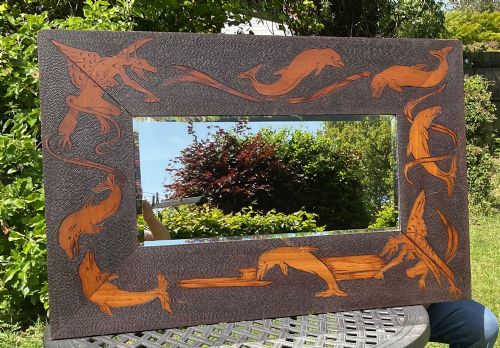
Some frames incorporate hidden depictions of swimming creatures, including an ambitious dragon and dolphin design.
Distinctions in Quality
Quality in a decorative wooden frame rests upon the crispness of the hand-carved relief and the integrity of the timber joinery. Finer examples display meticulous detailing in foliage, figural motifs, or geometric inlay that remains sharp across the entire composition.
The sophistication of the surface finish further separates standard pieces from exceptional ones. Gilded elements showing subtle burnishing, original hand-painted floral panels, and tightly fitted veneer work indicate superior workshop standards.
Mappin Bros·Irene Christobelle Pownoll Williams·Stuart Armfield
The Decorative Wooden Frame Glossary
- Gesso
- A plaster-like mixture applied to wood surfaces to serve as a base for painting or gilding. It is frequently moulded or carved into decorative reliefs on nineteenth-century mirror frames.
- Overmantle Mirror
- A large mirror designed to hang above a fireplace mantel. These frames often feature architectural columns or gilt decoration suited to grand domestic interiors.
- Shisham
- A durable Indian rosewood utilised in traditional woodworking and intricate inlay pieces. It provides a dense, richly grained foundation for carved wall mirrors.
- Oyster Veneer
- Slices cut transversely from small branches to produce circular or oval patterns resembling oyster shells. This decorative technique appears on seventeenth-century wooden frames.
- Pier Glass
- A tall mirror designed to hang on the wall space between windows. These pieces often feature hand-painted frames or gilt wood details.
Decorative Wooden Frame: Frequently Asked Questions
How do I hang a heavy wooden frame?
Substantial frames require secure wall fixings distributed evenly to support the weight of the timber and glass.
Professional mirror plates or heavy-duty D-rings screwed directly into the wooden structure provide the necessary stability for daily display.
Where should I place a wall mirror?
Placing a wall mirror opposite a window maximises natural light and creates a sense of greater space within a room.
Overmantle mirrors naturally anchor the wall space directly above a fireplace, following traditional interior arrangements.
How do I clean antique carved wood?
Dust carved wooden surfaces gently with a soft, dry brush to reach into crevices without damaging the finish.
Avoid liquid cleaners or polishes that can discolour exposed wood, gesso, or delicate inlaid materials over time.
How do I date a wooden frame?
Examine the timber species, construction joints at the corners, and the method used to secure the backboards or mirror plates.
Stylistic indicators such as Arts and Crafts motifs, Edwardian inlay, or Victorian Gothic Revival details help narrow down the period of manufacture.