



Decorative Wooden Container
These decorative wooden containers range from Georgian tea caddies to rustic butter tubs, offering practical storage with genuine historic character.
Decorative Wooden Container
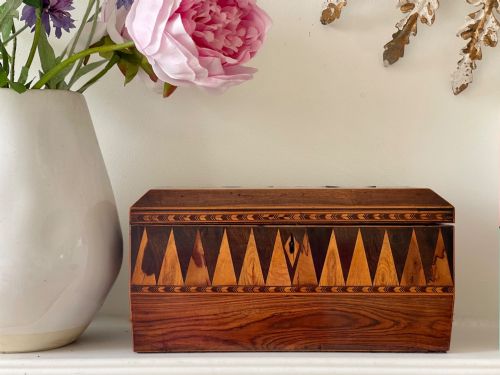
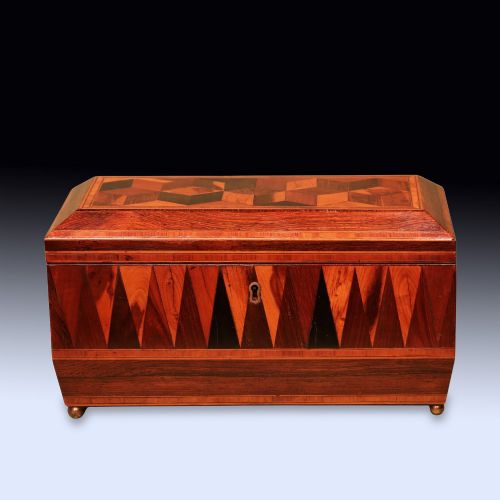
When you search for a decorative wooden container, you encounter a diverse group of objects spanning utility and display from the seventeenth century through to the early twentieth century. The selection encompasses tea caddies, snuff boxes, spice towers, and larger vessels such as coal boxes and butter tubs.
Georgian, Regency, and Victorian periods dominate the offerings, alongside rustic country pieces and international works like Kashmiri and Anglo-Indian boxes. Tea caddies and small storage boxes appear most frequently, often featuring fitted interiors or hand-painted surfaces.
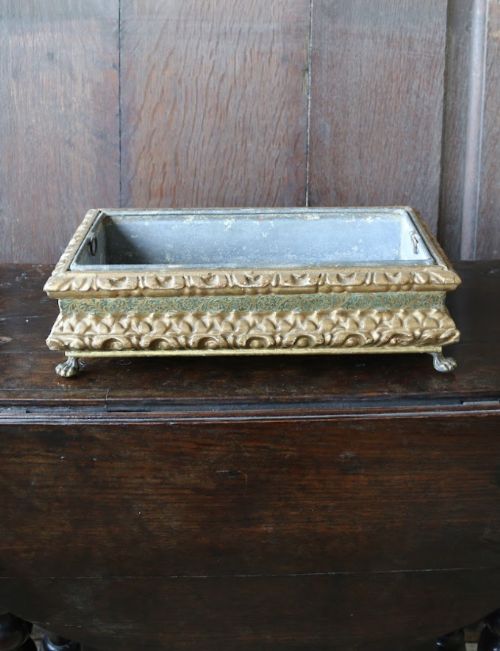
Forms vary significantly based on intended function, shifting from tabletop storage items like card boxes and spill vases down to hearth accessories and floor-standing coal boxes. Wood serves as the primary medium, frequently enhanced with inlay, parquetry, or gilt carvings.
Materials and construction techniques
Makers utilised a variety of timbers including mahogany, walnut, rosewood, yew wood, boxwood, and oak, selecting each for its grain pattern and colour. Solid construction meets decorative veneering and parquetry across the periods.
Surface ornamentation involved hand painting, carving, and gilt work, particularly visible in Italian Baroque items and Kashmiri storage boxes. Tunbridge ware provides intricate mosaic woodwork, while treen objects showcase precision turning on a lathe.
Fitted interiors in tea caddies and compartments in games boxes required delicate joinery and hardware such as brass hinges and escutcheons.
Decorative Wooden Container Retail Price Guide 2026
Typical asking prices for decorative wooden container among the pieces listed under this phrase on Sellingantiques today, from the lower quarter to the upper quarter. They describe what is for sale here now, not the wider market.
One unexpected survival is a dug-out tree trunk, reminding us that someone once hollowed out a whole log just to store things.
What distinguishes superior examples
Quality rests upon the crispness of the carving, the precision of the inlay or parquetry work, and the depth of the timber's patina. Superior items maintain their original fitted interiors and hardware.
The Decorative Wooden Container Glossary
- Tea caddy
- A small box with a fitted interior designed originally for storing loose tea leaves.
- Parquetry
- Geometric patterns formed by small pieces of wood fitted together on a surface.
- Treen
- Small handmade wooden household objects and utensils created by turners and woodworkers.
- Patina
- The surface sheen and colour developed on wood through age, handling, and polishing.
- Tunbridge ware
- Woodwork decorated with mosaic patterns created from many tiny pieces of different coloured woods.
Decorative Wooden Container: Frequently Asked Questions
What were tea caddies used for?
Tea caddies stored expensive loose tea leaves safely under lock and key in period homes.
Their fitted interiors often included multiple compartments for different tea varieties and a central mixing bowl.
How do I care for antique wooden boxes?
Keep wooden containers away from direct sunlight and extreme temperature fluctuations to prevent timber splitting.
Apply a traditional wax polish occasionally to maintain the rich patina and protect the surface.
What is the difference between treen and decorative boxes?
Treen refers specifically to small functional wooden objects made by turning or woodworking, such as spice towers and spill vases.
Decorative boxes focus more on surface ornament, containment, and housing precious items like cards or snuff.
How can I tell a Regency box from a Georgian one?
Georgian pieces often display heavier proportions and rich mahogany or walnut timbers with subtle carving.
Regency examples tend to feature more exotic veneers like rosewood, alongside brass inlay and bolder classical motifs.