




Decorative Wood Wall Cresting
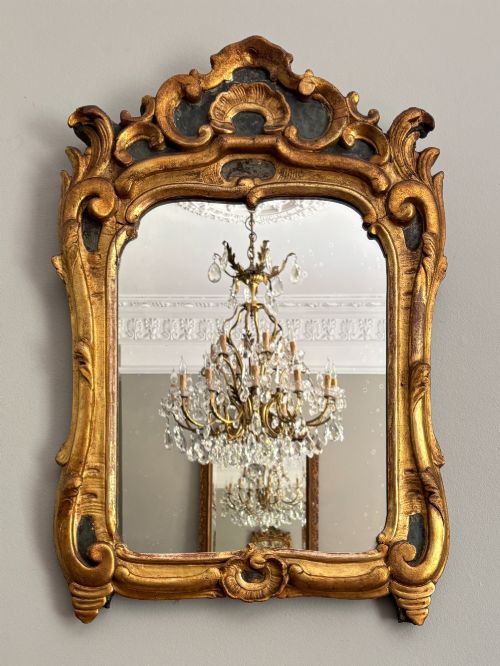
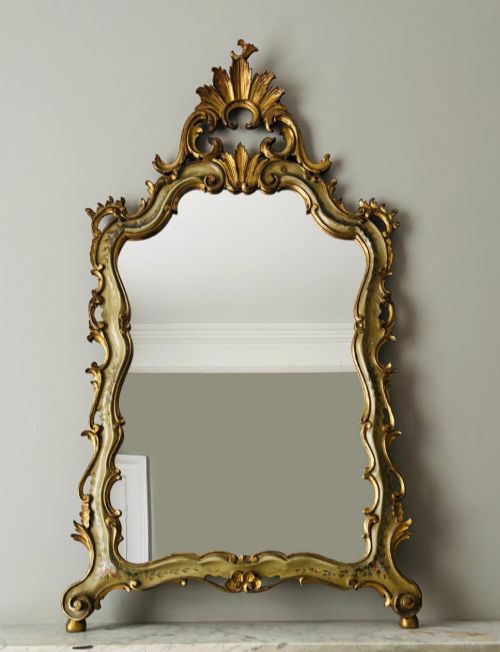
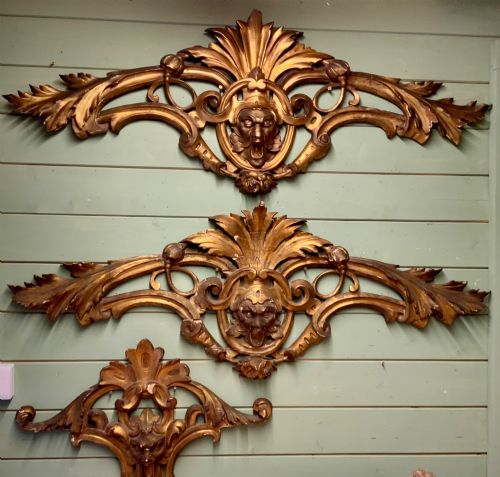
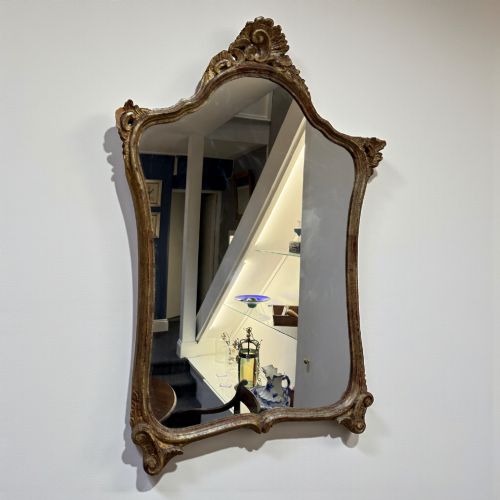
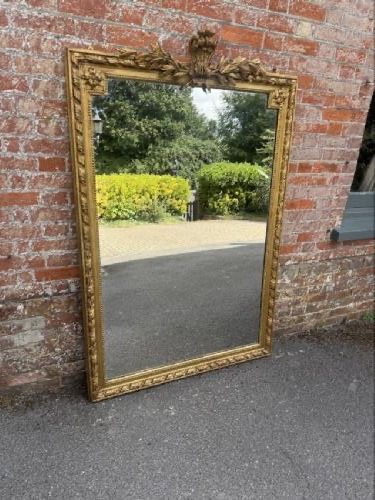
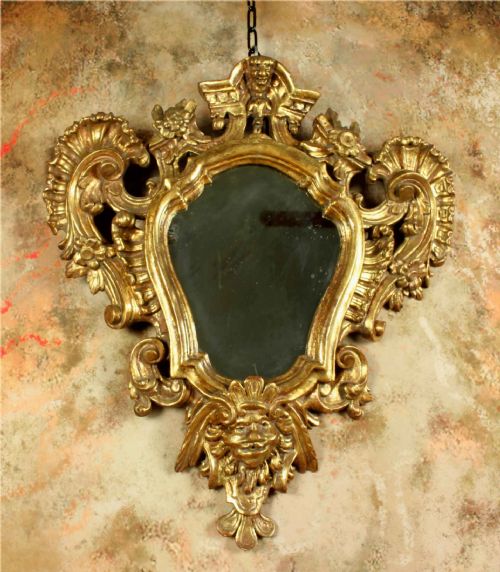
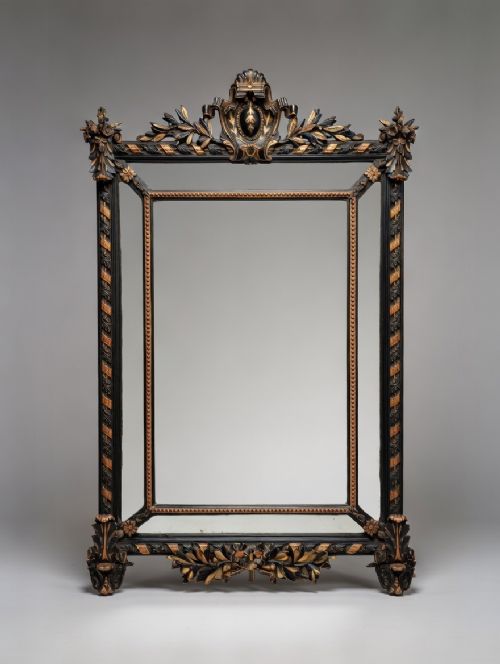
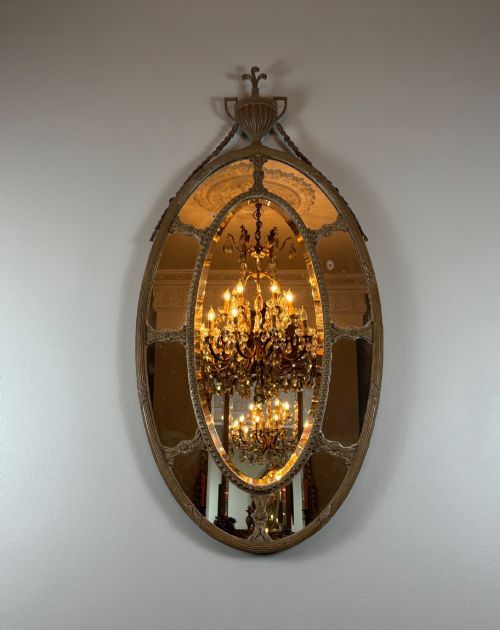
These decorative wood wall cresting pieces bring intricate carved presence and period character to domestic spaces through antique mirrors, panels, and architectural fragments.
Decorative Wood Wall Cresting
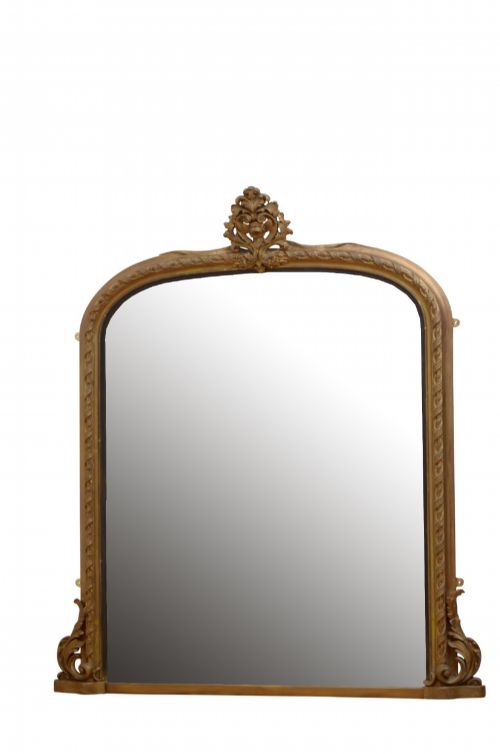
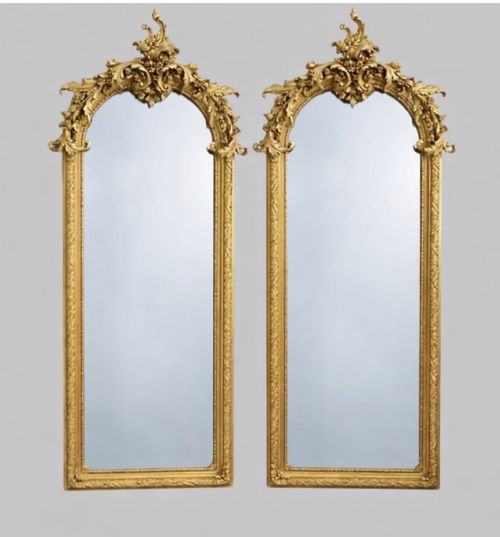
Decorative wood wall cresting encompasses carved wooden architectural elements, wall carvings, and elaborate frames designed to draw the eye upward in a room. The items gathered here span from eighteenth-century French and Italian carvings to nineteenth-century Victorian overmantels and wall mirrors.
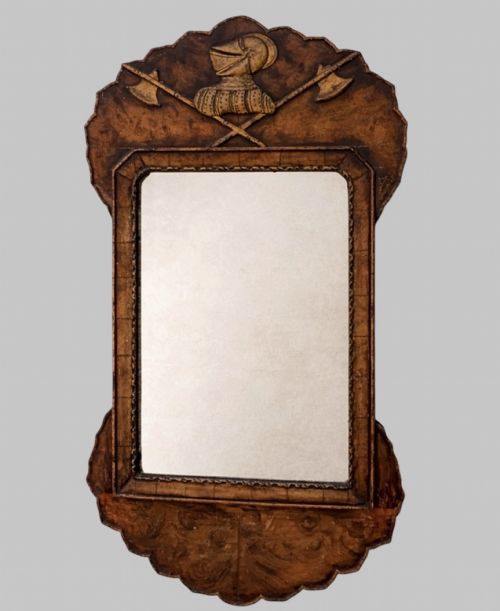
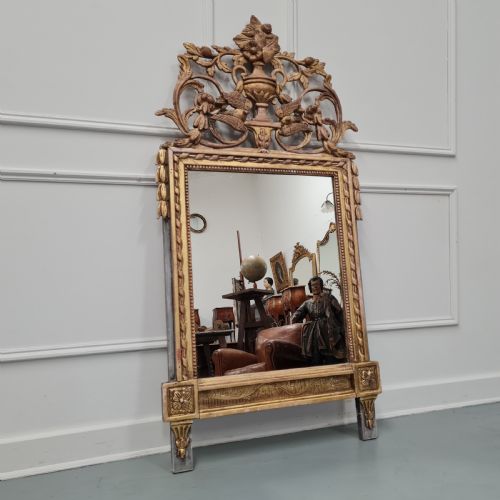
Most pieces encountered on this page function as mirrors or architectural salvage, featuring carved motifs such as masks, urns, swags, and shells. The selection ranges through French Rococo, Renaissance Revival, and Queen Anne styles executed in walnut, oak, and giltwood.
How they were made
Craftsmen built these decorative elements using solid timber carcasses of walnut, oak, or pine, shaped through traditional joinery and hand carving. Woodcarvers applied gesso directly to the wooden base to create a smooth preparatory layer for subsequent surface treatments.
Giltwood pieces received layers of gold leaf applied over bole, while others utilised paint, polychrome, ebonising, or parcel-gilt finishes. Mirror glass panels were traditionally silvered and set within these carved frames, often secured with pegged joints and backboards.
Listings feature materials spanning giltwood, gesso, walnut, and paint, alongside periods ranging from the eighteenth century through the Edwardian era.
What varies in quality
Depth and crispness of the hand carving separate standard items from superior examples, with finer pieces showing undercut foliage, expressive masks, and sharp relief work. The quality of the gesso application and the purity of the gold leaf influence how light reflects across the gilded surface over centuries.
The integrity of the timber ground and the preservation of original painted or gilt surfaces dictate the standing of a piece. Original mirror glass with authentic foxing holds greater character than modern replacements, while well-preserved architectural fragments retain the crisp tool marks of their makers.
The Decorative Wood Wall Cresting Glossary
- Giltwood
- Timber that has been coated with gold leaf applied over a prepared gesso and bole ground. This technique creates a luminous metallic finish characteristic of many formal mirrors.
- Gesso
- A plaster mixture applied to wood surfaces as a smooth base for gilding or painting. It allows carvers to achieve fine detail before applying gold leaf.
- Trumeau
- An architectural mirror or panel designed to fit into the wall space between windows or above a mantelpiece. These often incorporate decorative painted scenes or carved woodwork.
- Overmantel
- A large mirror or carved panel intended to hang specifically above a fireplace mantel. They typically echo the proportions of the hearth below.
- Architectural Salvage
- Salvaged building components and decorative fragments removed from older structures. These pieces include carved panels, crestings, and mouldings.
Decorative Wood Wall Cresting: Frequently Asked Questions
How do I hang a heavy wooden wall mirror?
Heavy carved mirrors and architectural crestings require substantial wall fixings anchored directly into structural studs or masonry. Using heavy-duty picture wire attached to secure D-rings ensures the weight distributes evenly.
Professional installation is recommended for large overmantel mirrors due to their considerable weight. Ensure the hanging height places the centre of the glass at comfortable eye level.
What is the difference between a trumeau and an overmantel mirror?
An overmantel mirror is specifically proportioned to sit horizontally above a fireplace opening. Its width usually matches or exceeds the mantel shelf.
A trumeau mirror is taller and narrower, originally designed for the wall space between two windows. Trumeau panels frequently incorporate decorative paintings or carved woodwork above the glass.
How do I date a decorative carved wood mirror?
Dating relies on examining the wood species, construction methods, and the style of the carving. Eighteenth-century pieces often feature hand-beveled glass plates and pegged pine or oak backing frames.
Nineteenth-century revivals display machine-sawn timber elements alongside cast composition ornament. Comparing stylistic motifs such as Rococo scrolls or Adam swags against known periods clarifies the date.