



Decorative Wall Portrait
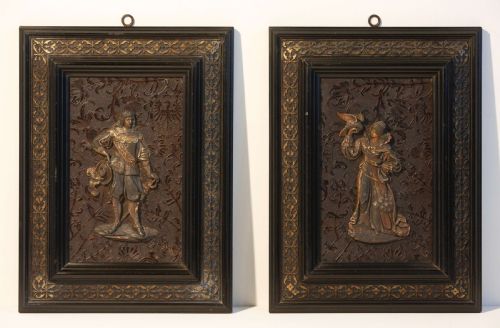
These decorative wall portrait pieces bring historical likenesses into a room through oil, porcelain, and metal.
Decorative Wall Portrait
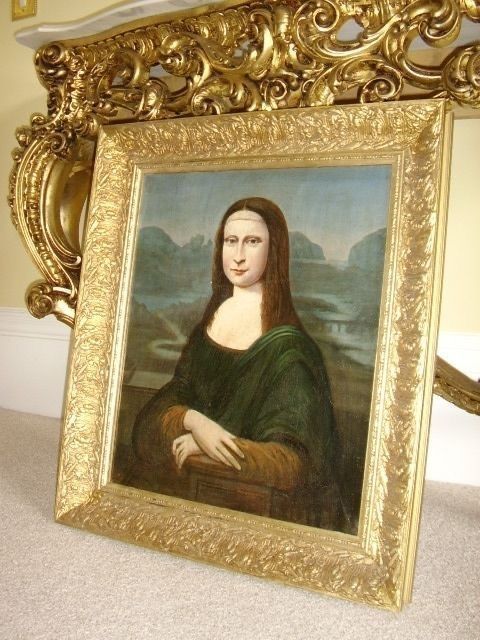
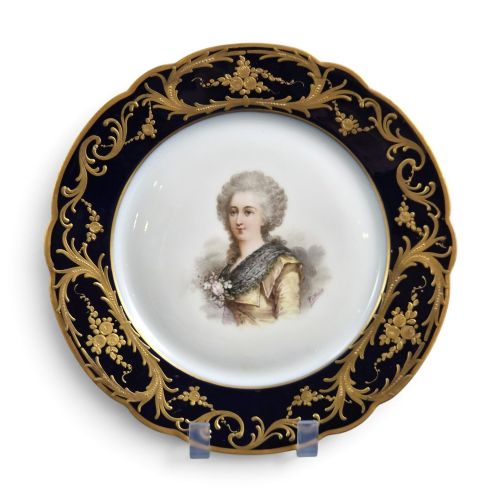
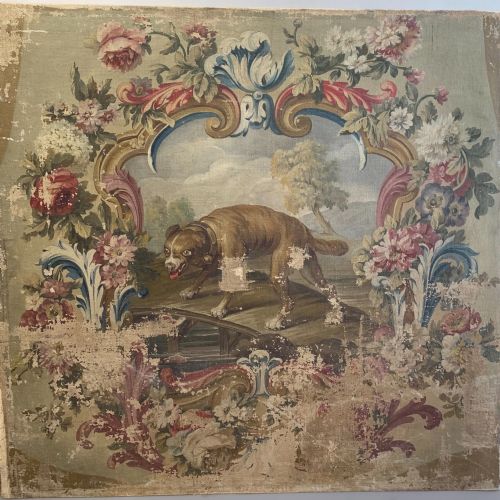
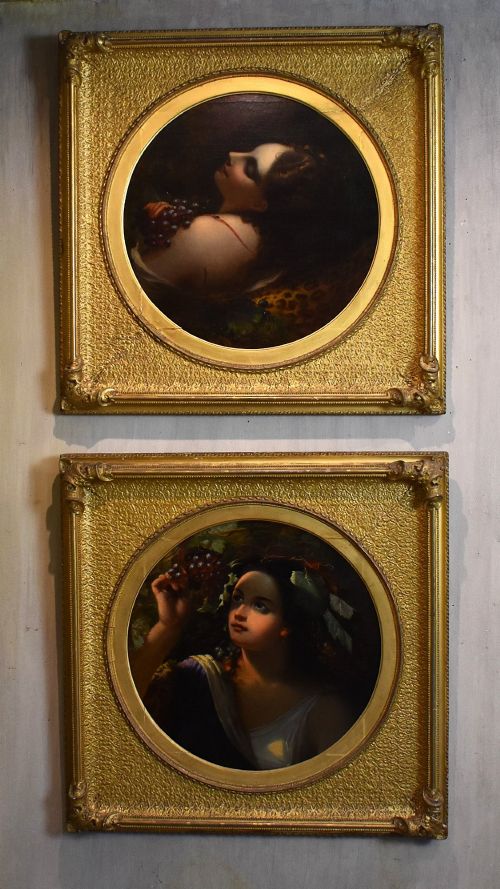
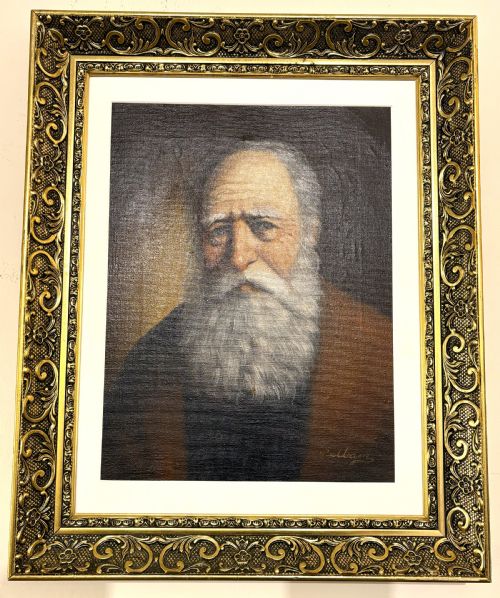
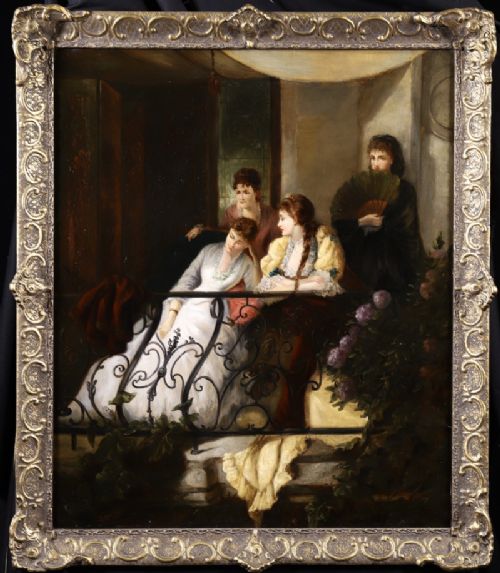
A decorative wall portrait encompasses a varied group of objects intended for display, including oil paintings, cabinet plates, picture frames, wall chargers, wall plaques, and wall mirrors. The selection ranges from 18th-century oils and porcelain plates to Victorian ceramic tiles and 20th-century framed canvases.
Buyers will encounter items spanning several periods, from the 18th century through the Victorian era and into the mid-20th century. Forms vary from traditional oil paintings on canvas to commemorative pewter plates, Limoges enamel paintings, and framed tinsel prints.
Materials and Techniques
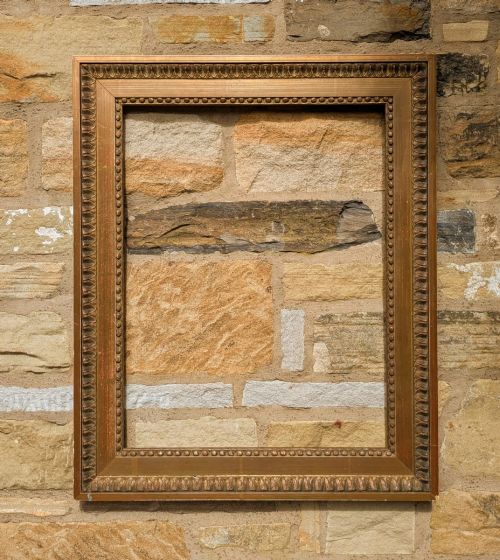
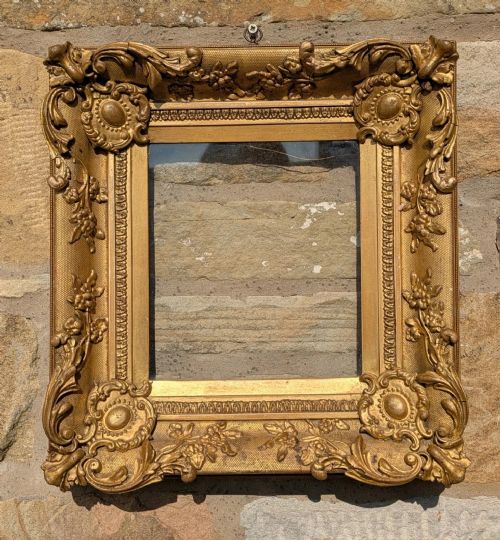
Makers utilised traditional canvas, wood, and glass alongside porcelain, enamel on copper, and white metal with gilded bronze. Frames frequently incorporate giltwood and gesso with egg and dart or beaded moulding.
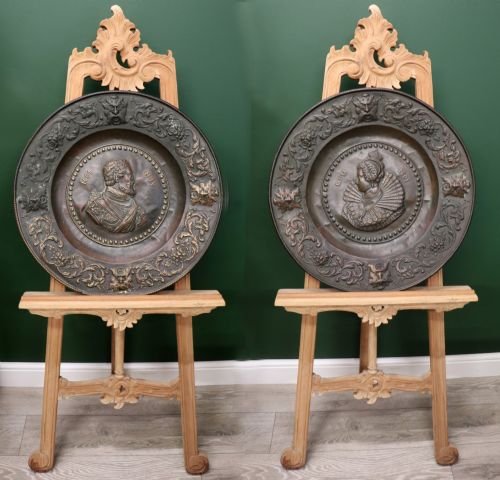
Techniques range from hand-painted oil on canvas and miniature painting to transfer printing, lithography, and detailed ceramic tile decoration. Metal pieces employ casting and relief work to define the figures.
Decorative Wall Portrait Retail Price Guide 2026
Typical asking prices for decorative wall portrait among the pieces listed under this phrase on Sellingantiques today, from the lower quarter to the upper quarter. They describe what is for sale here now, not the wider market.
Listings feature oil paintings, porcelain plates, and framed mirrors spanning the 18th, 19th, and 20th centuries.
Evaluating Quality
The integrity and ornamentation of the surrounding frame or mount also determine the overall standard. Original gilt gesso frames with crisp moulding add significantly to the character of a piece compared to plain or later replacements.
Theodore Jensen·John A Monteith·Sherwin and Cotton·Tom Keeling·Ralph Hedley·William Powell Frith·John Gilroy
The Decorative Wall Portrait Glossary
- Cabinet plate
- A porcelain plate produced primarily for display rather than dining. These often feature hand-painted portrait scenes and gilt borders.
- Trumeau mirror
- A decorative wall mirror combined with a painted panel or carved artwork above the glass. This form originates from French interior design.
- Crystoleum
- A Victorian method of applying a hand-coloured print to glass and then dissolving the paper base. The image is subsequently painted from the reverse side.
- Gesso
- A plaster-like mixture applied to wood frames to create a smooth surface for gilding. It allows for intricate moulded ornamentation.
- Wall charger
- A large decorative plate designed to be hung on a wall. They are frequently cast in metal or formed in ceramics with portrait reliefs.
Decorative Wall Portrait: Frequently Asked Questions
What periods do these portraits cover?
The pieces span from the 18th century through the Victorian period and into the mid-20th century.
Different eras bring distinct materials, such as early oil paintings alongside later porcelain cabinet plates and mid-century canvases.
How were cabinet plates displayed?
Cabinet plates were manufactured for visual exhibition in reception rooms rather than practical use at the table. They frequently incorporate hanging loops or sit within dedicated display cabinets.
Their detailed hand-painted portraits make them suitable for wall mounting alongside traditional framed pictures.
Are the frames original to the art?
Many pieces retain their period frames, such as Victorian gilt gesso mouldings or carved wood surrounds. Frames were often chosen to complement the formality of the portrait.
Examining the corner joints and the wear on the gilding helps determine if the frame matches the age of the artwork.
What is a tinsel print?
A tinsel print is a form of theatrical portrait popular in the 19th century. These works combine printed paper portraits with added fabric, tinsel, and foil highlights.
They represent a distinct decorative craft from the Victorian period designed specifically for wall display.