

Decorative Wall Hanging
Every decorative wall hanging brings texture and period character to a room, turning a blank surface into a focal point.
Decorative Wall Hanging
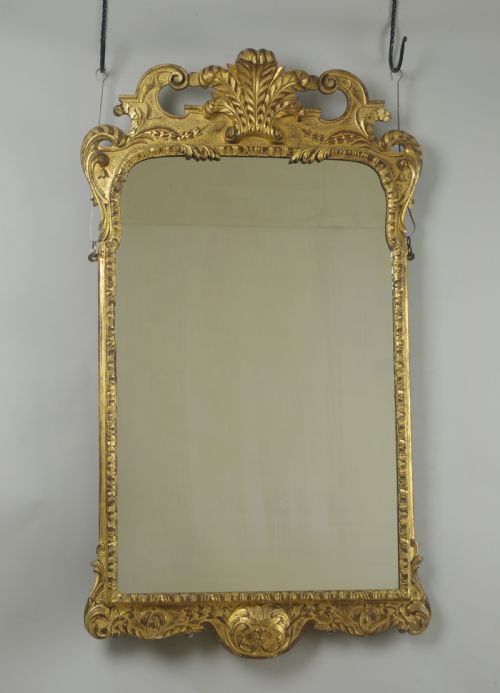
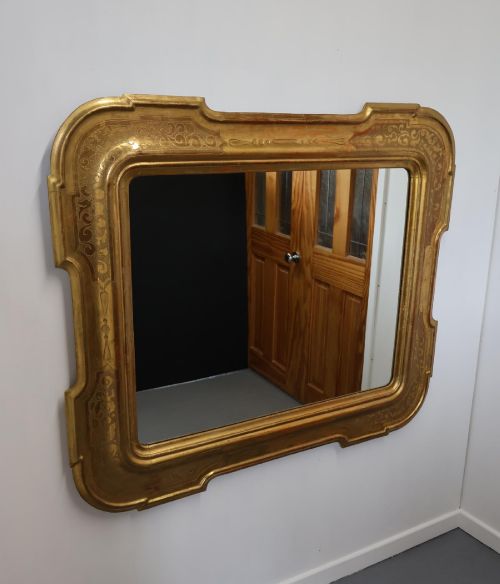
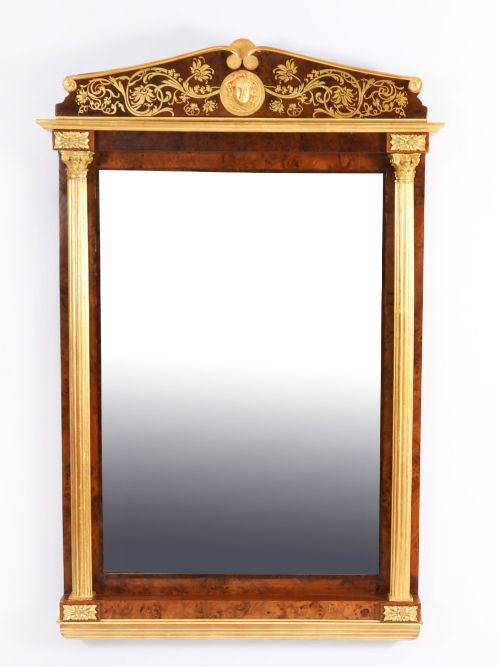
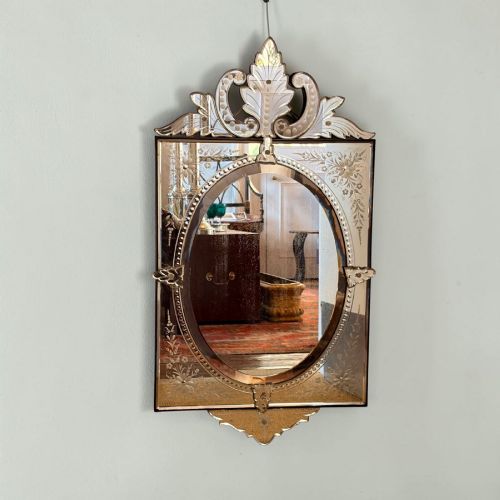
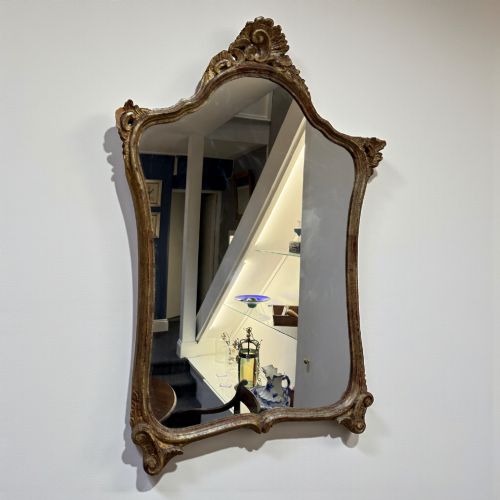
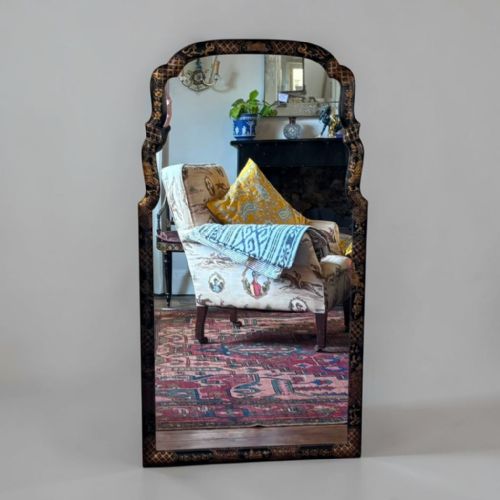
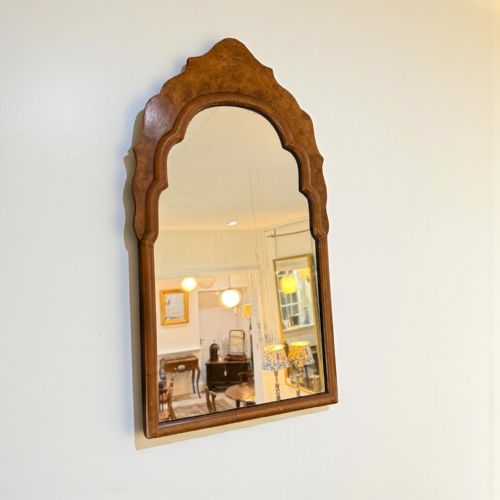
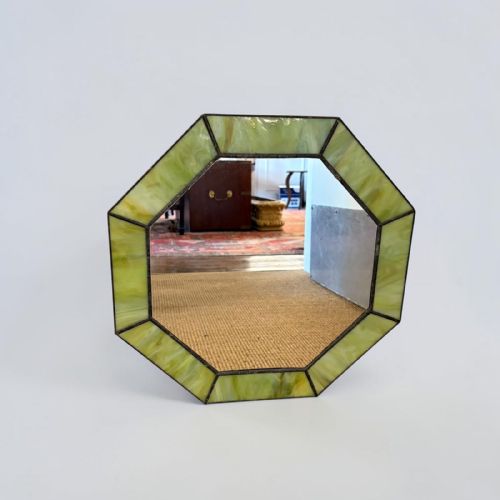
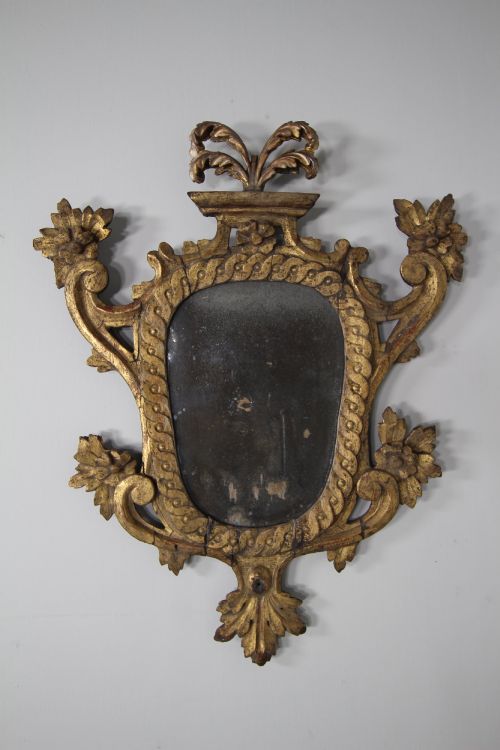
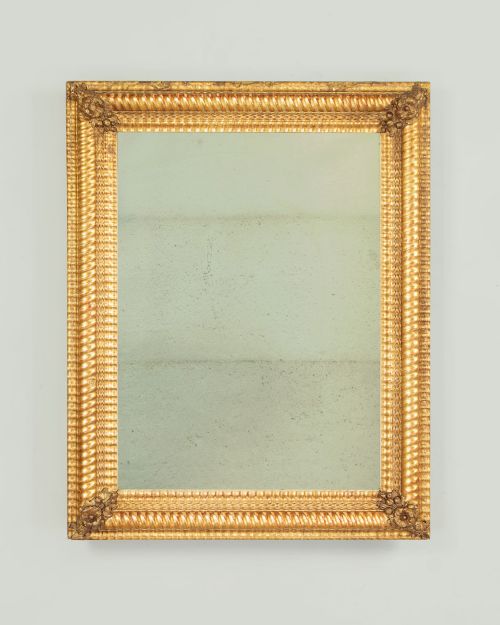
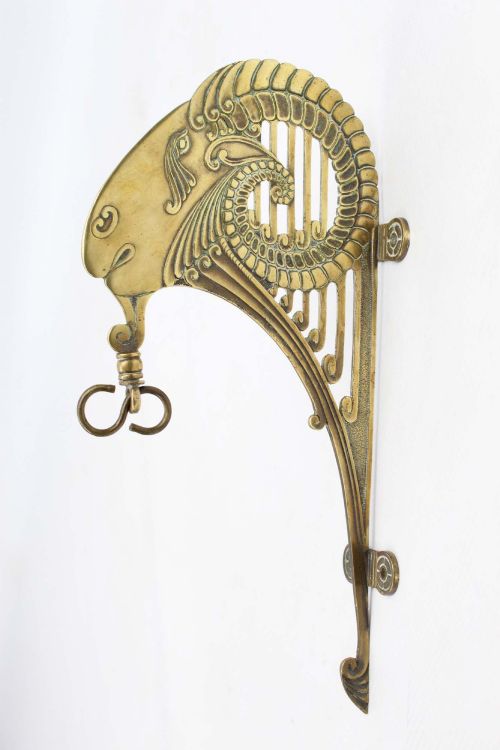
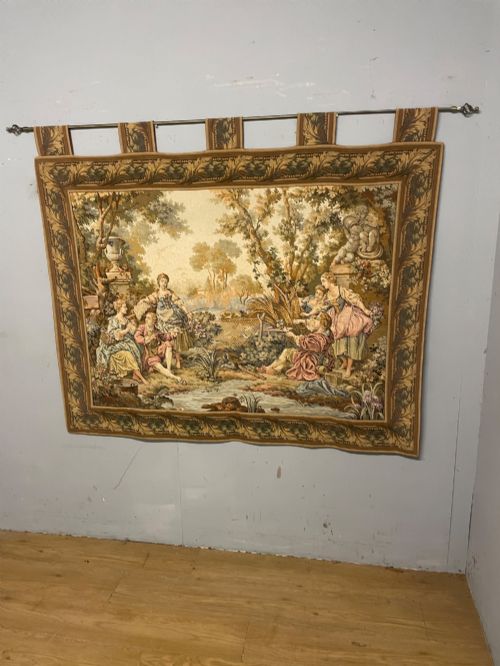
A decorative wall hanging spans carved wooden mirrors, woven textiles, painted panels, and metal plaques from eras ranging from the sixteenth century to the mid-twentieth century. The selection leans heavily towards giltwood and carved wood mirrors alongside textile panels, tapestries, and embroidered wall hangings.
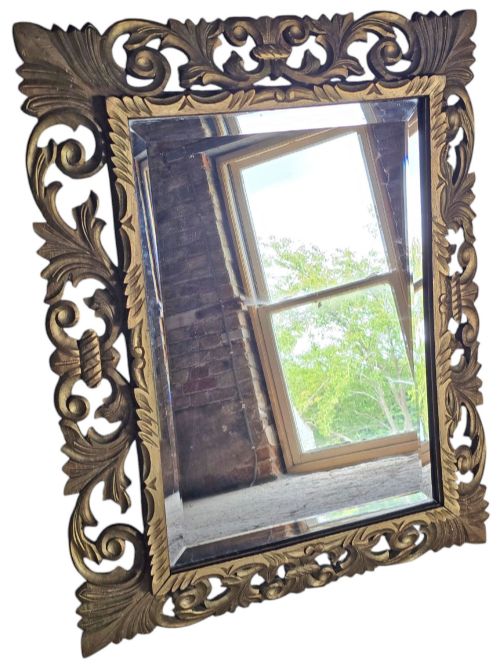
Buyers will encounter items influenced by specific regional aesthetics, including French Rococo, Venetian, Chinoiserie, and Florentine designs. These pieces function visually to reflect light, introduce colour, and break up large expanses of interior plaster.
How they were made
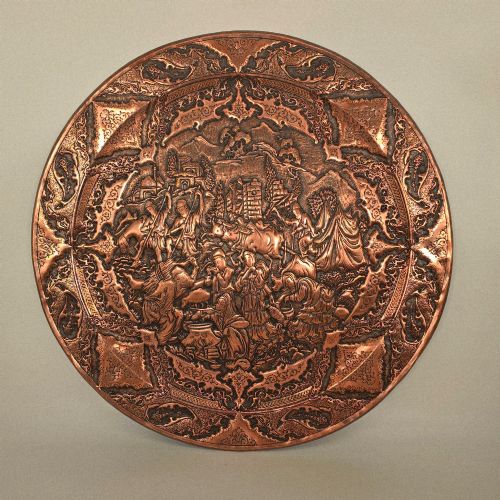
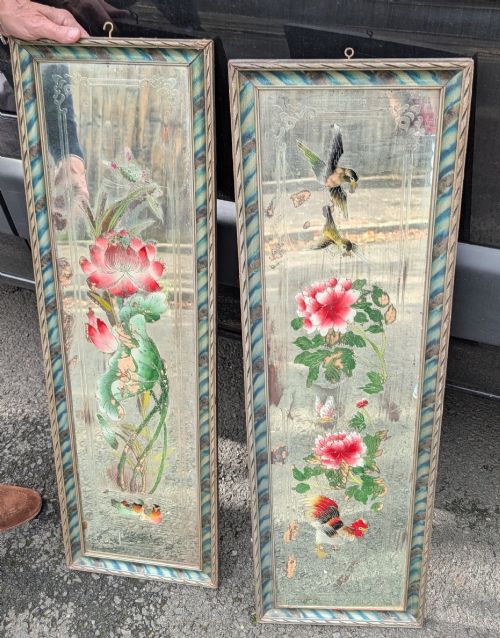
Makers utilised traditional methods such as carving timber, applying gesso and gold leaf to giltwood frames, and working bronze or copper through repoussé techniques. Glass plate was cast, silvered, and sometimes engraved, while textiles relied on crewelwork embroidery, wool weaving, and painted canvas.
Wooden elements incorporate walnut, rosewood, pine, and carved timber, often combined with parcel gilding. Ceramic and pottery plaques utilise painted earthenware and faience, demonstrating diverse material applications across the centuries.
Listings feature items spanning the sixteenth to the mid-twentieth century, with a strong concentration of nineteenth-century giltwood mirrors.
What varies in quality
The standard of a decorative wall hanging depends on the depth and crispness of the hand-carving in wood and giltwood frames, or the density and fineness of the stitchwork in embroidered textiles and tapestries. Superior examples exhibit deliberate, confident execution in painted panels and metal engraving rather than mechanical repetition.
Materials dictate the upper tier, with genuine gold leaf, heavy cast bronze, and early hand-blown mirror glass separating finer items from later or simpler substitutes. Original surfaces and untouched patination carry more weight than heavily restored or later gilt finishes.
Raymond Subes·Copeland Pottery·Mettlach·William Yale
The Decorative Wall Hanging Glossary
- Giltwood
- Wood that has been coated with gold leaf or gold dust over a prepared base. This finish is typical of ornate frames and decorative wall mirrors.
- Repoussé
- A metalworking technique where a malleable metal is hammered from the reverse side to form a raised design in relief. It is frequently seen on copper and brass chargers.
- Crewelwork
- A type of embroidery utilising wool yarn on a heavy linen or cotton twill foundation. Early English and crewelwork panels often feature elaborate floral and scrolling motifs.
- Gesso
- A plaster mixture used as a smooth base for paint or gold leaf on wood. It allows for intricate, moulded surface detail on frames.
- Chinoiserie
- A European artistic style reflecting Chinese motifs and techniques, popular in painted wall panels and lacquered mirror frames.
Decorative Wall Hanging: Frequently Asked Questions
How should I clean antique textiles?
Historic embroidered panels and tapestries demand gentle care to prevent fibre degradation. Light surface dust can be removed using a soft brush with a protective mesh barrier.
Avoid washing or chemical cleaners unless handled by a professional textile conservator to preserve the original wool and cotton threads.
What is the difference between a mirror and an overmantle?
Standard wall mirrors are designed for general room placement and balance on vertical wall space. Overmantle mirrors are specifically proportioned to sit above a fireplace mantel.
Overmantle pieces are often wider and lower, serving to reflect hearth light and anchor the decorative scheme of a reception room.
How do I identify a Rococo frame?
Rococo frames feature asymmetric scrolling, shell motifs, and organic curves inspired by natural forms. These designs avoid rigid symmetry in favour of fluid, playful ornamentation.
Giltwood versions from this tradition display deep, intricate carving that creates strong shadows and highlights across the moulded gesso.