



Decorative Wall Cabinet
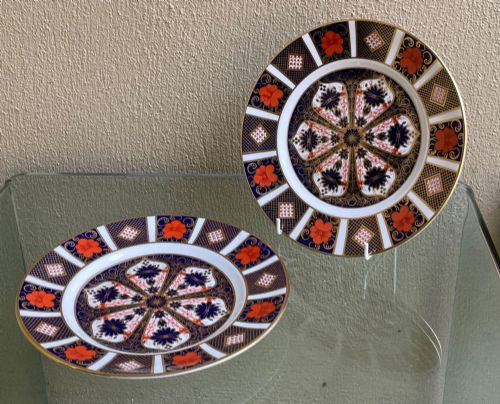
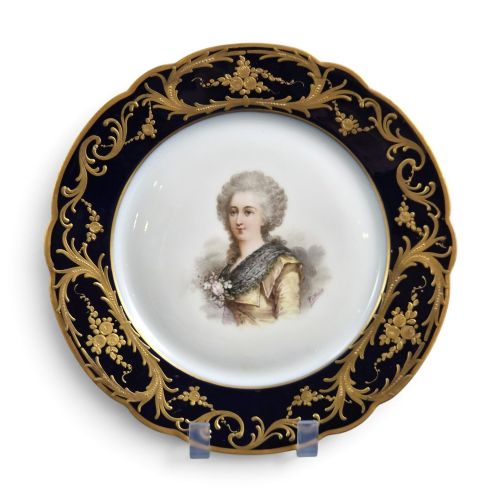
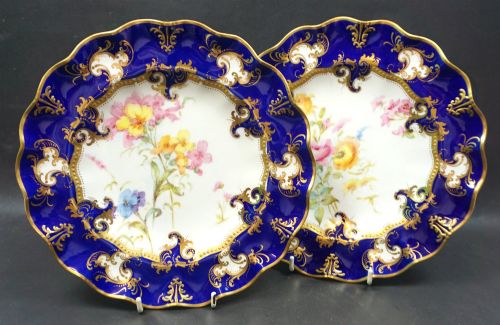
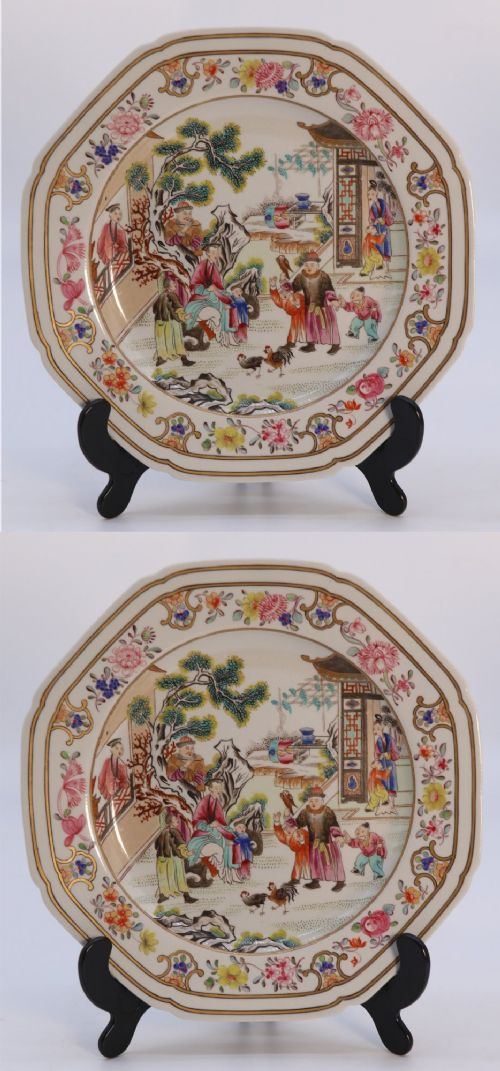
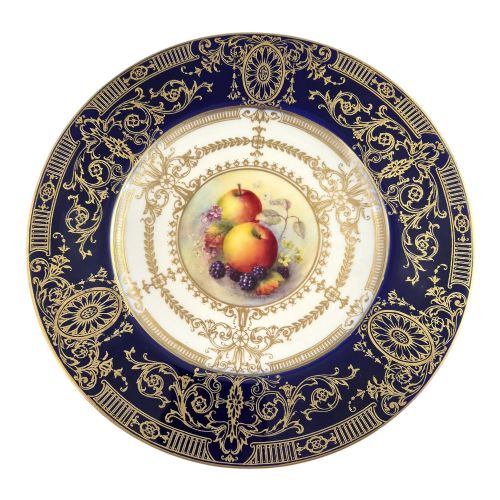
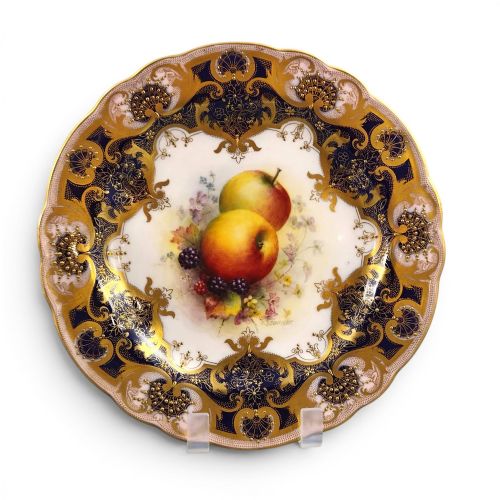
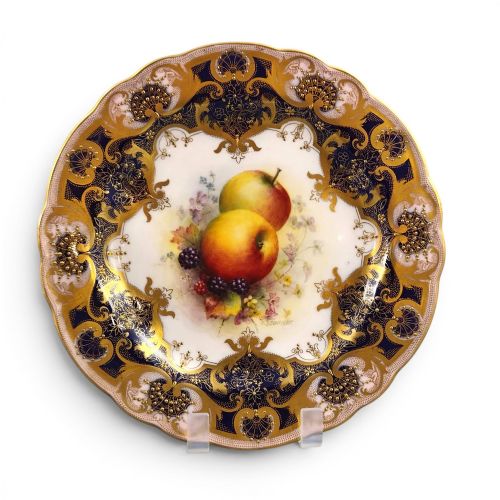
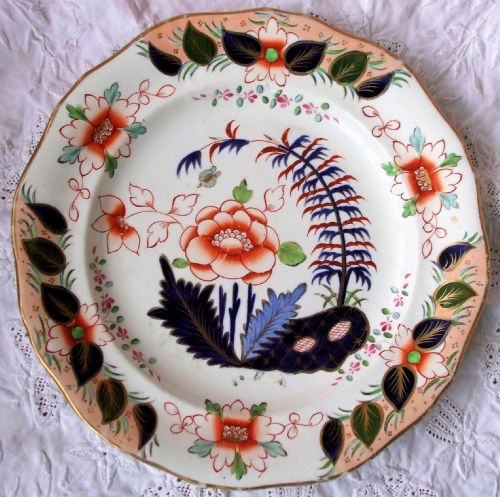
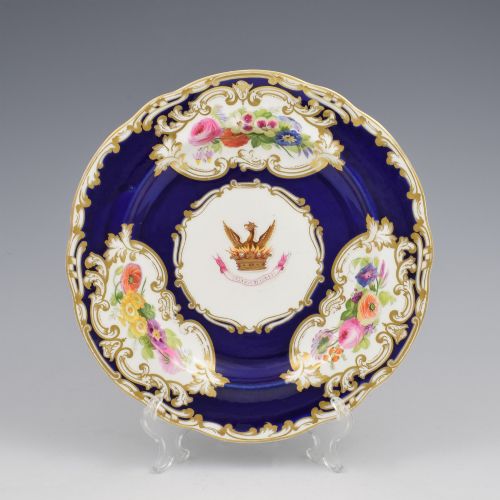
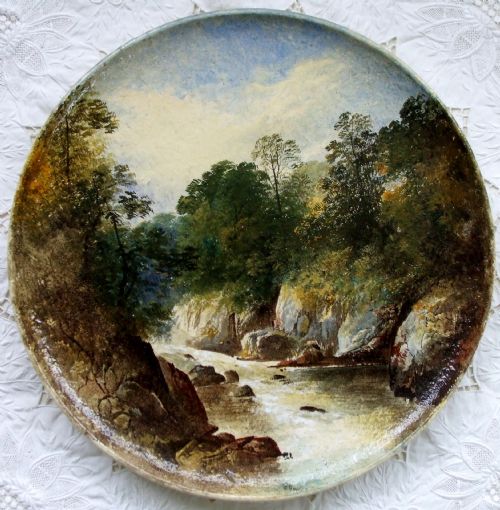
When you search for a decorative wall cabinet, you will find that the items available on this page are actually various ceramic and porcelain plates, plaques, and chargers.
Decorative Wall Cabinet
Buyers searching for a decorative wall cabinet often encounter plates, plaques, and chargers made of porcelain, earthenware, and bone china. These objects span periods from the nineteenth century through the mid-twentieth century.
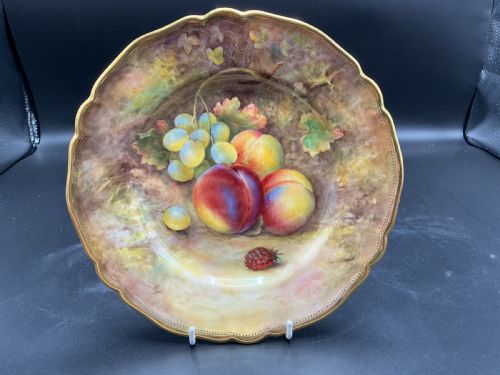
The selections include Japanese Imari patterns, French Sèvres-style works, and English painted fruit designs. Many pieces demonstrate traditional painting techniques and historical armorial motifs.
Most items reflect styles such as Victorian, Edwardian, and Art Deco. These display forms are intended to be showcased on walls or within display furniture.
Materials and production methods
Maker workshops utilised porcelain, bone china, and earthenware as the foundational bodies for these plates and chargers. Artisans applied glaze to seal the ceramic surfaces before adding detailed painted decoration.
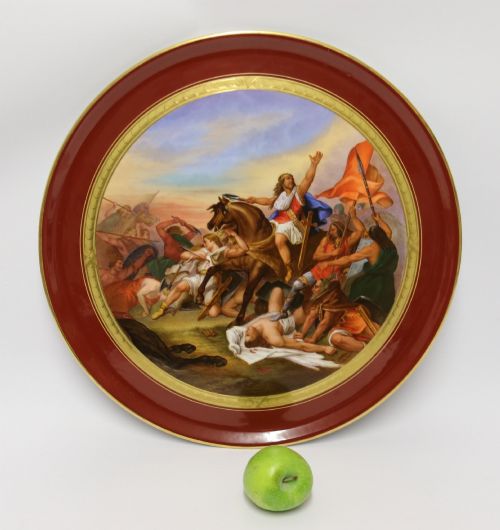
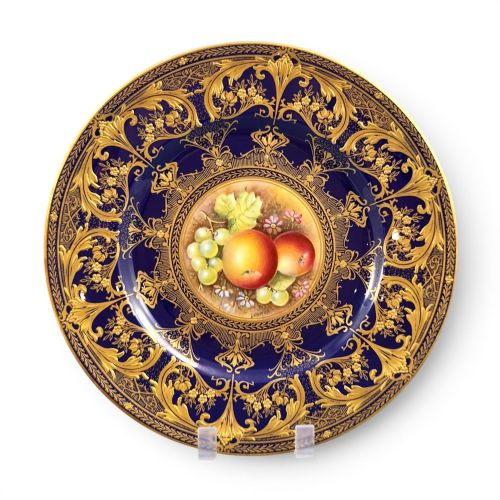
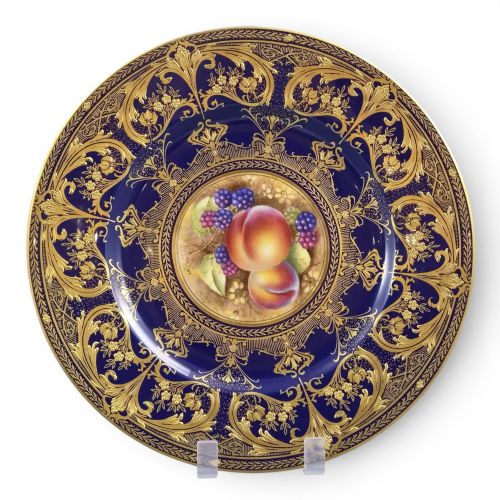
Gilding, gold leaf, and enamel applications provided contrasting borders and highlights to the painted scenes. Many items incorporated hand-painted portraits, landscapes, and mythological subjects.
Decorative Wall Cabinet Retail Price Guide 2026
Typical asking prices for decorative wall cabinet among the pieces listed under this phrase on Sellingantiques today, from the lower quarter to the upper quarter. They describe what is for sale here now, not the wider market.
Listings feature porcelain, earthenware, and bone china from nineteenth-century and twentieth-century periods.
Distinctions in quality
The skill of the hand-painted brushwork separates standard production items from master-level works. Detailed execution in floral sprays, figures, and gilt borders indicates superior craftsmanship.
The prestige of the producing factory, from Copeland and Royal Worcester to Sèvres and Meissen, influences the standing of individual pieces. Precision in the porcelain body and consistency in the glaze further define the grade.
Royal Crown Derby·Royal Worcester·John Davenport of Longport·Copeland Pottery·Darte Brothers·Pucher Deroche·Coalport Porcelain·Chamberlain's Porcelain·Minton Porcelain·Mason·Royal Vienna·Helena Wolfsohn·Meissen·John Ridgway
The Decorative Wall Cabinet Glossary
- Cabinet plate
- A decorative plate intended for display rather than dining use. These often feature elaborate hand-painted scenes or gilding.
- Charger
- A large decorative plate or platter used primarily for display on a wall or sideboard. They typically measure larger than standard dining plates.
- Imari
- A traditional Japanese porcelain style featuring rich underglaze blue and iron-red overglaze with gilt detailing. European factories frequently copied these distinct patterns.
- Gilding
- The application of gold leaf or powdered gold to the surface of ceramics. This technique adds reflective metallic borders and accents.
- Bone china
- A type of soft-paste porcelain incorporating bone ash. It produces a durable, milky-white body suitable for fine painting.
Decorative Wall Cabinet: Frequently Asked Questions
What is a decorative wall cabinet piece?
These items are primarily porcelain and earthenware plates, plaques, and chargers created for visual display. They feature hand-painted scenes, armorial crests, and intricate gilding rather than serving functions.
Such objects were designed to be mounted on walls or placed in display cabinets to showcase artistic skill and prestige.
How were these plates used historically?
Owners displayed these painted chargers and cabinet plates in reception rooms and parlours to demonstrate taste and wealth. They served purely aesthetic purposes as wall art or cabinet adornments.
In some instances, specific families commissioned armorial versions featuring their family crests and mottos.
How do I live with these items?
You can display these porcelain plates on walls using secure plate hangers or place them safely within glass-fronted cabinets. Proper lighting helps highlight the enamel colours and gold leaf details.
Keep them away from direct sunlight and high-traffic areas to preserve the delicate painted surfaces over time.
How do I identify different periods?
Makers' marks stamped or painted on the reverse of the ceramic bodies provide the most reliable indication of origin and date. Stylistic clues, such as Victorian floral borders or Art Deco forms, also help place an object in time.
Comparing the painting technique and material composition against known factory standards clarifies the era of manufacture.