






Decorative Urn Lamps
These decorative urn lamps bring classical form and warm illumination into a room, drawing on centuries of European and Asian artistry.
Decorative Urn Lamps
Decorative urn lamps combine traditional vessel forms with interior lighting, turning historical vases and ewers into functional lamps. When seeking decorative urn lamps, collectors encounter pieces shaped from porcelain, marble, bronze, and glass across various periods.
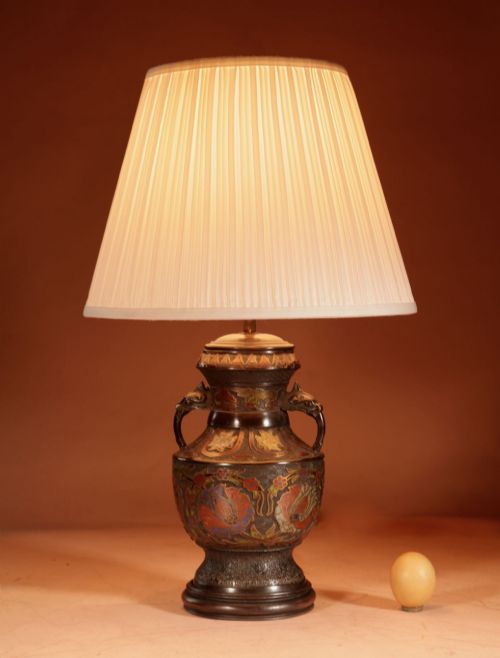
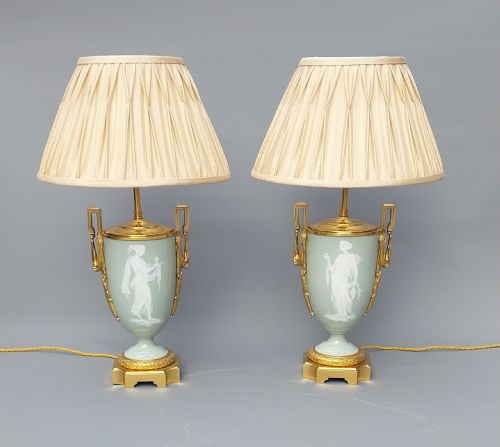
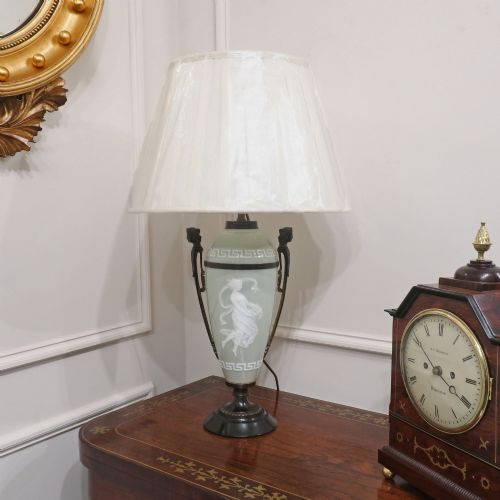
The selection ranges from French Neoclassical porcelain and gilt bronze mounts to Japanese Satsuma and champlevé bronze vessels. Many examples originate from the nineteenth century, reflecting revivalist tastes and traditional classical aesthetics.
Makers adapted existing vases, urns, and ewers, mounting them on sturdy bases and fitting them for electrical use. Pairs feature prominently, offering symmetrical placement for sideboards, mantels, and large tables.
Materials and construction methods
Craftsmen utilised heavy metals such as bronze, brass, and gilt bronze alongside carved marble and alabaster to form the structural bodies and mounts. Surfaces often display intricate champlevé enamel, hand-painted porcelain, or detailed patination.
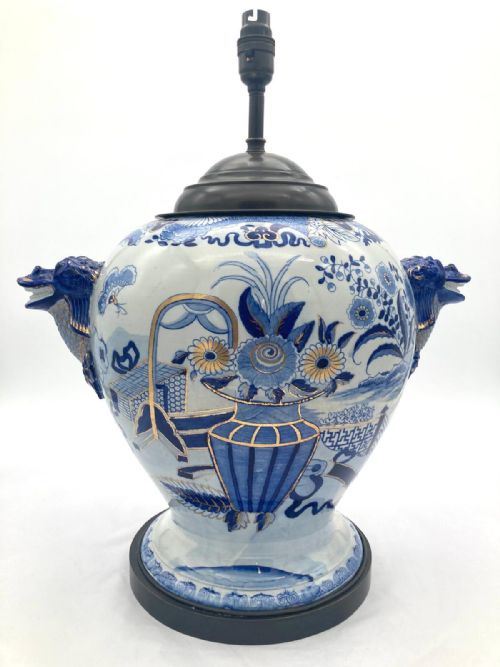
Conversion involved mounting ornamental vessels without destroying their original integrity, adding electrical fittings compatible with domestic interiors. Glass and crystal components required careful drilling and secure collar fittings to support shades.
Decorative Urn Lamps Retail Price Guide 2026
Typical asking prices for decorative urn lamps among the pieces listed under this phrase on Sellingantiques today, from the lower quarter to the upper quarter. They describe what is for sale here now, not the wider market.
Several heavy metal vessels started their days holding wine or water before an electrician gave them a brighter future.
Evaluating the craftsmanship
Quality rests in the harmony between the original vessel and its metal mounts, where well-cast gilt bronze or ormolu complements the ceramic or stone body. Superior pieces exhibit crisp hand-chasing on the metalwork and fine detail in painted porcelain scenes.
The weight and stability of the base indicate the standard of construction, alongside the integrity of the converted vessel. Matching pairs with unified patination and uniform wear command greater appreciation among discerning buyers.
The Decorative Urn Lamps Glossary
- Ormolu
- Gilded bronze used extensively for decorative mounts on furniture and vases. This technique provides a rich, gold-coloured finish that enhances the visual weight of classical pieces.
- Champlevé
- An enamelling technique where troughs are dug into a metal surface and filled with vitreous enamel before firing. It creates vibrant patterns often seen on Japanese and continental bronze vessels.
- Pâte-sur-pâte
- A ceramic decorating method where liquid porcelain clay is applied in successive layers to build up a low relief design. The technique produces cameo-like figures against a contrasting background.
- Campana Urn
- A bell-shaped vessel with a flaring rim and a footed base, derived from ancient Roman pottery. This classic silhouette frequently serves as the body for classical table lighting.
- Ewer
- A large jug with a wide spout and a curved handle, originally used for pouring water. Converted ewers form striking asymmetrical lamp bases with sculptural presence.
Decorative Urn Lamps: Frequently Asked Questions
Are these lamps converted from antique vases?
Many examples began life as ornamental vases, ewers, or ginger jars before being mounted and wired for electrical use in later decades.
This adaptive process preserves historical ceramic and metalwork while making them practical for modern interiors.
How do I choose a pair of lamps?
Look for matching dimensions, balanced patination, and complementary decorative motifs across both vessels if you require symmetry.
Paired urn lamps work effectively on large sideboards or flanking a central mirror on a mantelpiece.
What styles are most common?
Nineteenth-century French Neoclassical, Louis XVI revival, and Japanese Satsuma or cloisonné designs appear frequently in this category.
These styles draw heavily on classical antiquity and nineteenth-century appreciation for imported Eastern art.
How should I clean the bronze mounts?
Dust gently with a soft, dry cloth to prevent the accumulation of grime without disturbing the historical patina.
Avoid chemical polishes and abrasive cleaners, which can strip the original gilding and damage delicate metal surfaces.