

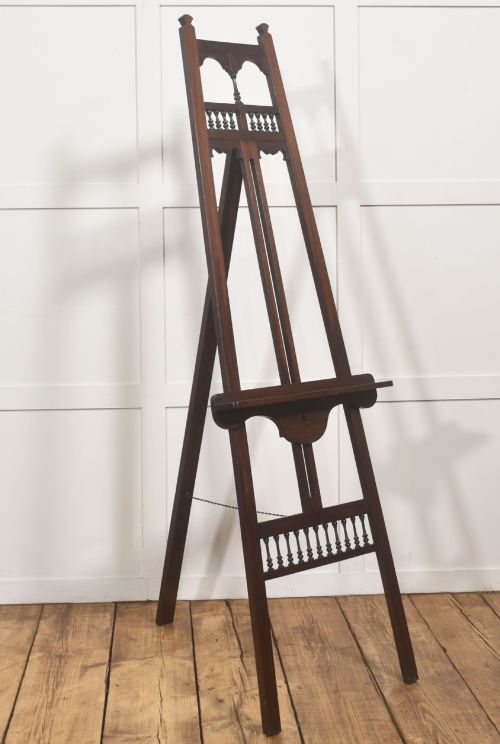
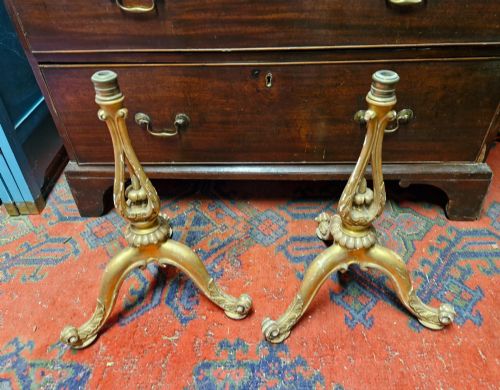

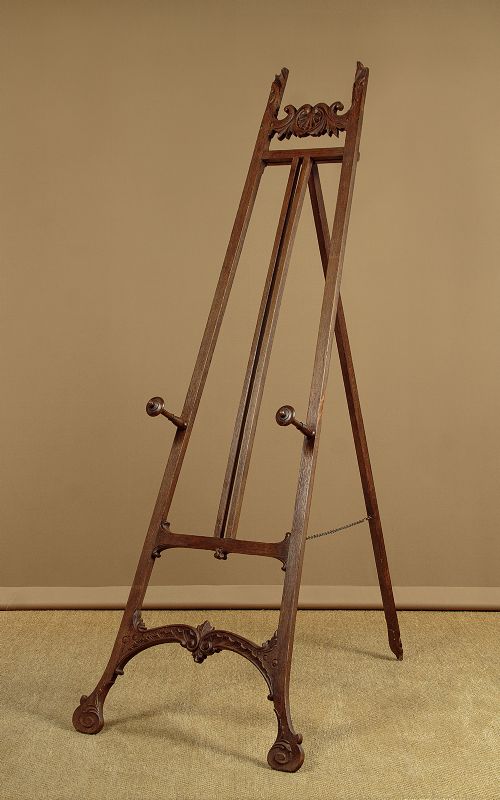


Decorative Tripod Stand
These decorative tripod stand designs support everything from globes and lamps to easels and torcheres across multiple periods.
Decorative Tripod Stand
A decorative tripod stand brings elevated display surfaces and vertical lighting into a room through a stable three-legged base. When you search for a decorative tripod stand, you encounter varied functional forms including torcheres, lamp bases, floor standing globes, and artist easels.
The selection ranges across the nineteenth century, Edwardian era, and Regency periods, alongside later twentieth-century examples. Materials span walnut, mahogany, brass, copper, cast iron, and toleware, reflecting diverse stylistic influences from Gothic Revival to Art Nouveau.
Smaller furniture forms such as wine tables and wash stands also appear on the page with tripartite bases. Larger pieces include standard lamps and heavy display stands designed to hold significant items securely.
Materials and construction
Construction relies heavily on timber framing and cast metal components to achieve structural balance on three points. Cabinetmakers shaped mahogany, walnut, and oak for easels, torchere shafts, and occasional tables.
Foundries cast brass, copper, cast iron, and bronze into elaborate floor lamp bases, candlesticks, and decorative frames. Artisans combined these metals with glass, fabric, and paper elements, particularly in standard lamps and terrestrial globes.
Decorative Tripod Stand Retail Price Guide 2026
Typical asking prices for decorative tripod stand among the pieces listed under this phrase on Sellingantiques today, from the lower quarter to the upper quarter. They describe what is for sale here now, not the wider market.
Listings feature items spanning the nineteenth century through the 1930s, utilising brass, mahogany, cast iron, and walnut.
Assessing quality and execution
Superior examples demonstrate precision in the casting of bronze or brass mounts and the carving of timber details such as swan designs or Gothic tracery. The integration of tripartite legs with the central column determines overall stability and visual proportion.
Finer pieces exhibit consistent patination across the materials, whether ebonised wood, gilded surfaces, or polished copper. The complexity of the original function, such as telescopic mechanisms on standard lamps or adjustable mechanisms on easels, dictates the level of craftsmanship.
The Decorative Tripod Stand Glossary
- Torchere
- A tall ornamental stand designed to carry a light or candle. These pieces frequently feature carved wooden shafts supported by three legs.
- Tripartite base
- A three-part support structure forming the foundation of a tripod stand. This arrangement ensures stability on uneven floors.
- Pole screen
- A fireside screen mounted on an adjustable vertical pole supported by a tripod base. It was used to shield the face from radiant hearth heat.
- Athenienne
- A neoclassical tripod stand styled after ancient Greek incense burners. These are typically cast in bronze or brass with classical ornament.
Decorative Tripod Stand: Frequently Asked Questions
What is a decorative tripod stand used for?
These stands serve multiple practical and display functions throughout a room. They elevate lamps, globes, plants, and art equipment above floor level.
Specific forms like torcheres and floor standards provide ambient lighting, while easels and wine tables display artwork or hold small items.
How do I identify the period of a tripod stand?
Dating relies on observing the combination of materials, construction methods, and stylistic ornamentation. Gothic Revival pieces show characteristic pointed arches, while Art Nouveau examples display flowing organic lines.
Timber choices also help indicate age, with mahogany and walnut common in earlier centuries and cast iron or brass prominent across Victorian and Edwardian manufacturing.
Where should I place a tripod stand in a room?
The three-legged footprint makes these stands suitable for corners, beside seating, or as freestanding decorative items in studies and reception rooms. Tall torcheres and standard lamps work well to illuminate darker corners.
Smaller wine tables and pole screens fit naturally alongside armchairs or near fireplaces as functional decorative accents.
Are tripod stands stable on carpets?
A three-legged base naturally adjusts to slight unevenness in floor surfaces better than a four-legged table. However, the stability depends on the weight distribution of the top object.
Heavier items like cast iron tables or large globes provide a low centre of gravity, while tall standard lamps require careful placement on thick pile carpets.