





Decorative Stone Statue
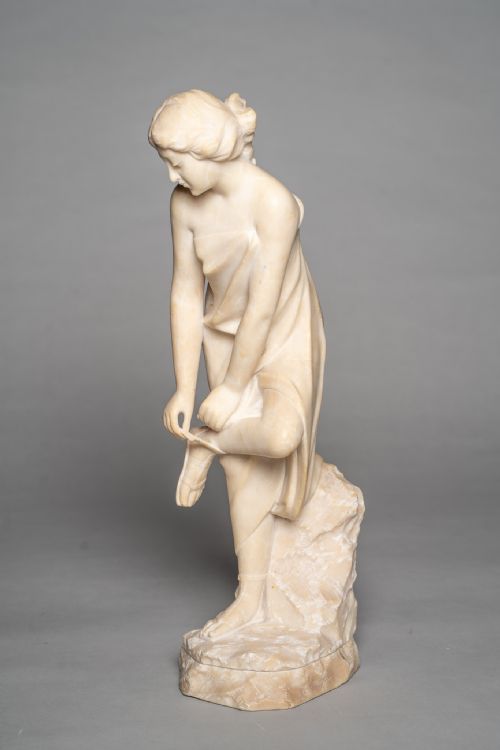
These decorative stone statues span delicate carved alabaster busts to garden lions, offering tactile weight and historic character to any room.
Decorative Stone Statue
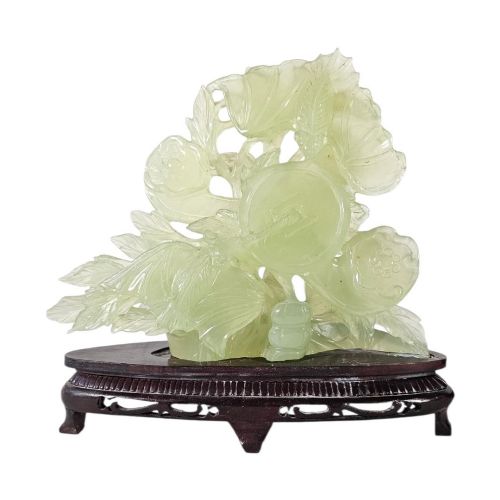
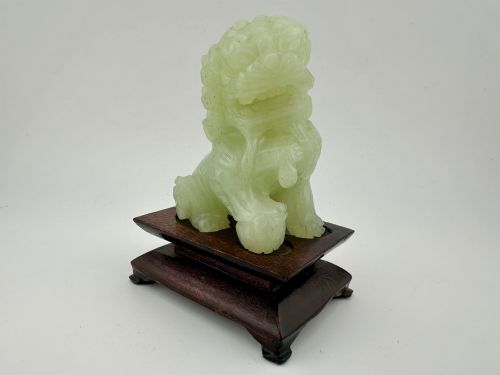
A decorative stone statue brings sculptural form and enduring materiality into interior and exterior spaces. When you browse this selection of decorative stone statue pieces, you encounter everything from compact jade animal studies to monumental garden busts on plinths.
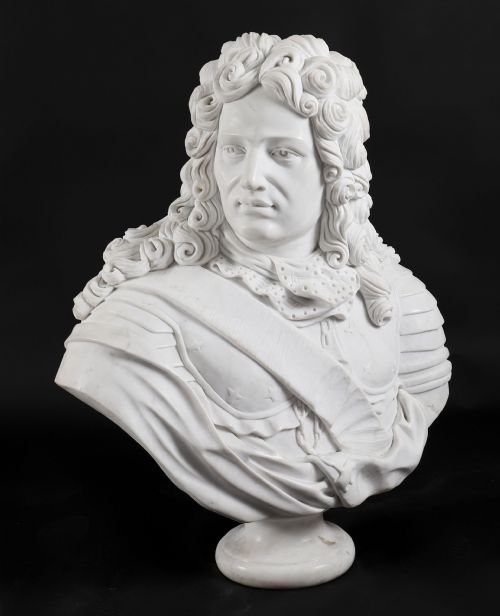
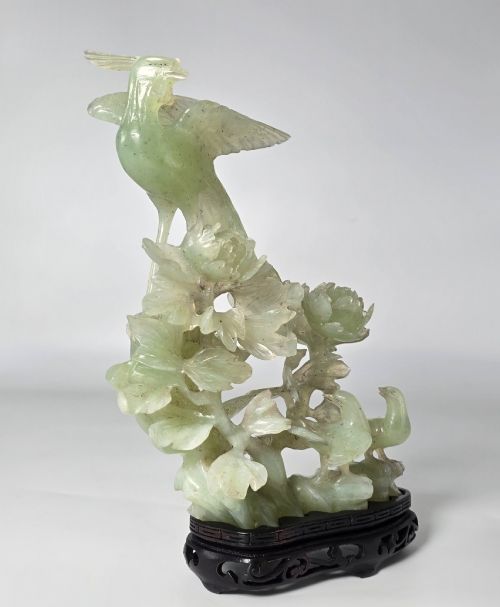
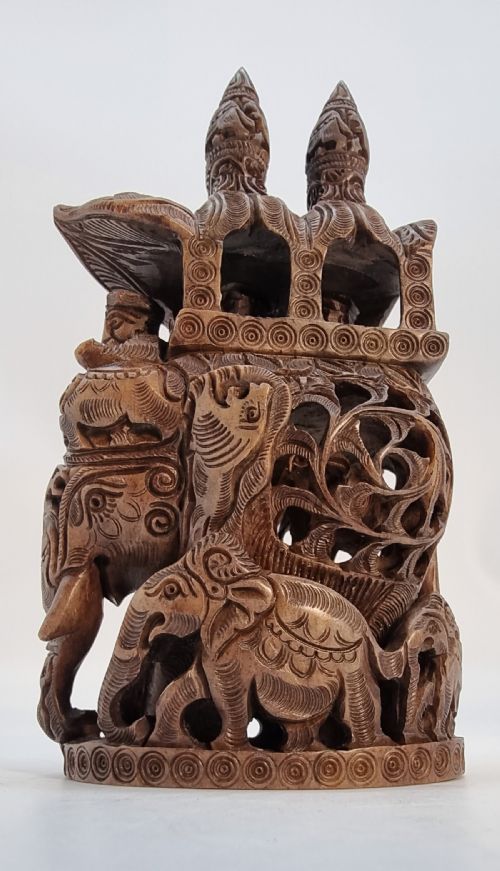
The objects on this page range from late nineteenth century European portrait busts in Carrara marble to early twentieth century Chinese carved jade and soapstone figures. Common functional and ornamental forms include architectural obelisks, bookends, and figurative groups.
Makers and workshops across Italy, Asia, and Africa utilised local minerals to create both classical revivals and regional folk art. Buyers find pieces suited for mantelpieces, libraries, and formal gardens alike.
How They Were Made
Sculptors worked directly from blocks of marble, alabaster, hardstone, and soapstone using chisels, files, and abrasive powders for smoothing. Softer stones permitted intricate undercut details in hair and drapery, while harder jade and marble required sustained abrasive cutting.
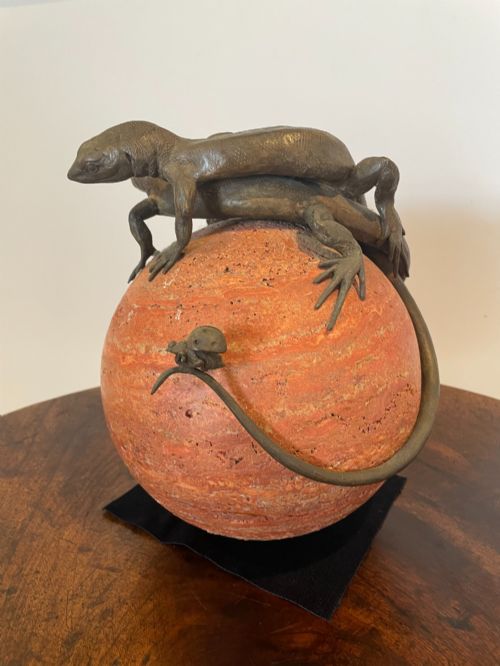
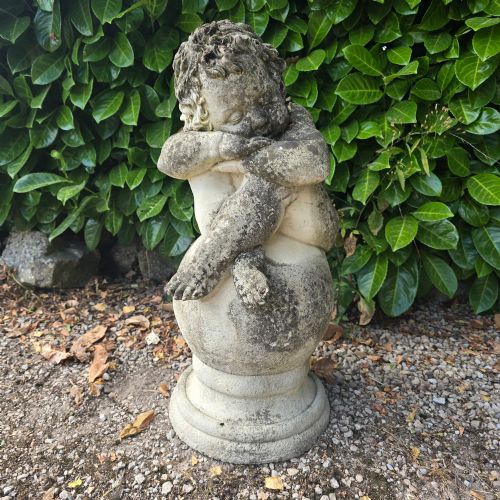
Cast materials like reconstituted stone and cast stone offered an alternative method for garden statuary, binding crushed aggregate with cementitious binders into moulds. Bronze details occasionally augmented stone assemblies, particularly in animalier and classical revival works.
Decorative Stone Statue Retail Price Guide 2026
Typical asking prices for decorative stone statue among the pieces listed under this phrase on Sellingantiques today, from the lower quarter to the upper quarter. They describe what is for sale here now, not the wider market.
Subjects range from classical European noblemen and orientalist figures to Chinese guardian lions, ceremonial elephants, and sleeping cherubs.
What Varies in Quality
The handling of surface finish distinguishes master execution from commercial output, with well-polished marble contrasting purposefully against textured drapery or hair. Maker signatures and documented foundry or studio origins elevate individual pieces significantly.
John Wenlock Rollins·Auguste Moreau
The Decorative Stone Statue Glossary
- Alabaster
- A fine-grained translucent stone, often gypsum or calcite, prized for soft carving and warm light transmission. It scratches easily and suits indoor decorative sculptures.
- Hardstone
- A general term for semi-precious stones such as jade, jasper, and agate used in small carvings. Artisans exploit natural grain variations to highlight anatomical details.
- Obelisk
- A tall, four-sided, narrow tapering monument which terminates in a pyramid-like shape at the top. In decorative arts, smaller pairs often flank fireplace mantels.
- Animalier
- Nineteenth-century artistic style focusing on the realistic depiction of animals. Sculptors capture wild beasts and domestic creatures with acute observation.
- Carrara Marble
- A type of white or blue-grey marble from the city of Carrara in Tuscany. It remains the preferred medium for classical European portrait busts.
Decorative Stone Statue: Frequently Asked Questions
How do I clean marble and alabaster?
Dust surfaces gently with a dry microfibre cloth to prevent accumulation. Avoid all water, acidic cleaning agents, and harsh chemicals that etch soft stone.
Alabaster is particularly porous and sensitive to moisture. Consult a professional conservator before attempting any wet cleaning on historic carvings.
Can these statues stay outside all year?
Reconstituted stone and cast stone pieces withstand outdoor weathering and frost when properly sited on stable footings. Marble and alabaster statues deteriorate outdoors and belong indoors.
Protect exterior stone from standing water and severe winter freezes by covering or moving them to sheltered garden structures.
How do I identify the stone type?
Examine the translucency, weight, and surface temperature of the piece. Alabaster transmits light near edges, whereas marble feels colder and denser to the touch.
Soapstone feels slightly soapy or waxy and scratches easily with a fingernail. Hardstones like jade resist scratching entirely and show natural crystalline structures under magnification.
Where should I place a heavy stone bust?
Position heavy marble and alabaster sculptures on sturdy furniture or dedicated stone plinths rated for their substantial weight. Ensure the supporting surface sits level to prevent tipping.
Keep statues away from direct heat sources, radiators, and heavy foot traffic zones where accidental impacts might damage protruding carved details.