


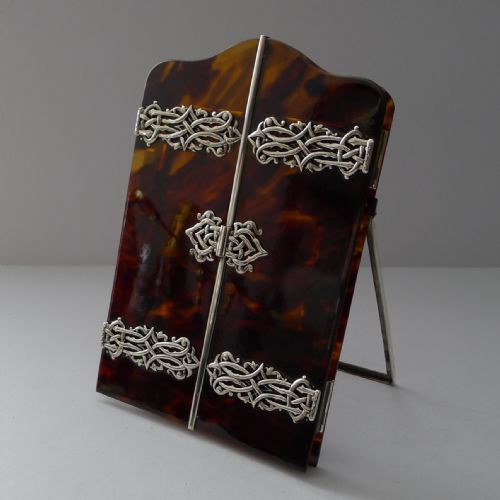


Decorative Silver Stand
A decorative silver stand holds everything from table lamps to picture frames, bringing polished metal and practical elevation to any surface.
Decorative Silver Stand
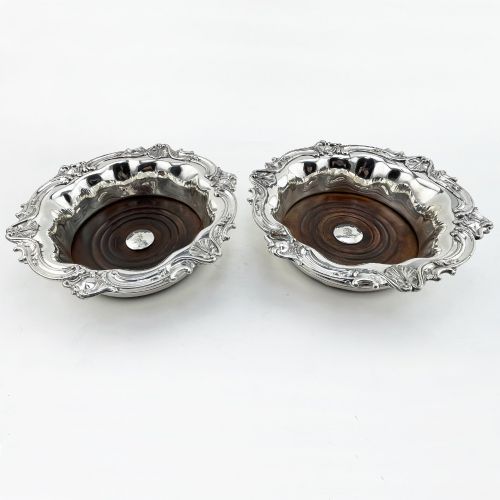
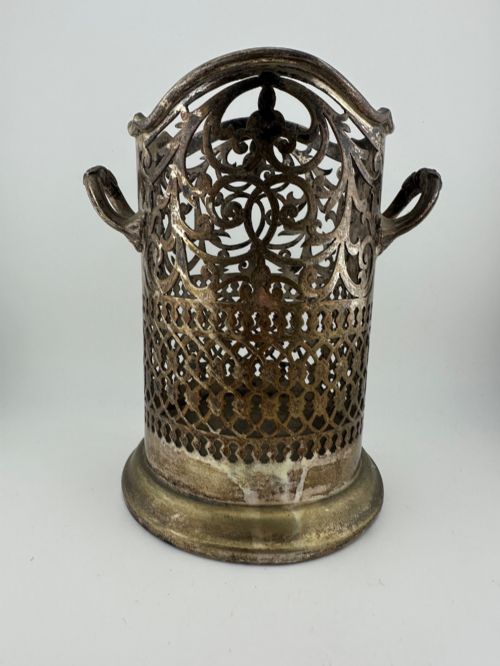
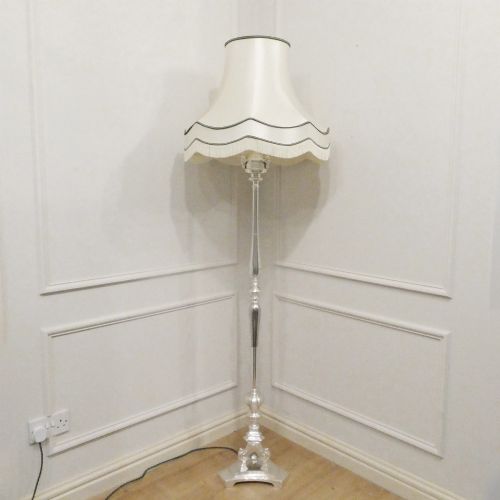
The selection ranges from tall floor lamps and candlesticks to small bottle coasters and photograph frames mounted on stands. Many pieces incorporate alternative materials like tortoiseshell, wood, cut glass, and brass alongside the primary metalwork.
Originating from English, French, and Continental workshops, these stands reflect the shifting domestic tastes of the 1800s and early 1900s. Tableware supports and centrepieces dominate the category, serving both practical dining functions and purely ornamental display roles.
Materials and construction methods
Construction relies heavily on sterling silver and silver plate over base metals, shaped through casting, spinning, and soldering techniques. Artisans often combined metal components with wooden cabinetry, tortoiseshell panels, and cut glass inserts to create contrast.
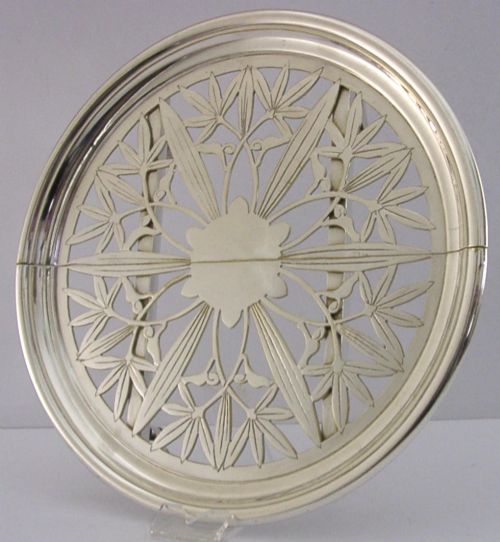
Surface decoration involves chased floral motifs, pierced galleries, and engraved patterns characteristic of Art Nouveau and Victorian design. Silver plating techniques developed during this era allowed intricate forms to be achieved on base metals with durable exterior finishes.
Decorative Silver Stand Retail Price Guide 2026
Typical asking prices for decorative silver stand among the pieces listed under this phrase on Sellingantiques today, from the lower quarter to the upper quarter. They describe what is for sale here now, not the wider market.
Object forms span practical lighting and serving accessories, including floor lamps, wine coasters, table gongs, and photograph frames.
Factors influencing quality
Quality rests upon the crispness of the chased or cast ornament and the proportion of the design. Heavier gauge silver plate and solid sterling components demonstrate superior manufacturing effort compared to lighter, mass-produced alternatives.
The integration of mixed media, such as fitted Royal Worcester porcelain pots or inlaid mahogany woodwork, separates standard utility items from finer display pieces. Preservation of the original plating or silver surface without excessive wear marks defines the better examples.
Christofle·Maison Krieger
The Decorative Silver Stand Glossary
- Silver Plate
- A thin layer of silver bonded to a base metal such as copper or brass, popular for nineteenth-century tableware.
- Epergne
- An ornamental centrepiece featuring multiple branching dishes or baskets used for holding fruit, sweets, or flowers.
- Old Sheffield Plate
- An early fusing technique where a sheet of silver is fused to a copper ingot before rolling.
- Cruet Set
- A matched collection of glass bottles for condiments mounted in a dedicated metal frame or stand.
- Chasing
- A metalworking technique where a design is hammered into the front surface to create low-relief decoration.
Decorative Silver Stand: Frequently Asked Questions
What is a decorative silver stand used for?
These stands serve multiple domestic functions, primarily holding serving dishes, bottles, candles, or photographs on dining and side tables. Many act as decorative centrepieces or elevated platforms to display tableware and decorative items.
Larger versions include floor-standing lamps and storage chests on stands, while smaller variations support flower pots and writing accessories in period interiors.
How do I clean a silver plated stand?
Cleaning requires a soft cloth and a gentle silver polish formulated specifically for plated items to avoid wearing through the thin silver layer. Gentle application removes tarnish without damaging the underlying base metal or any integrated wood and glass components.
Harsh abrasive dips should be avoided, particularly on antique silver plate and items featuring applied tortoiseshell or fabric elements.
How can I tell the period of a silver stand?
Dating relies on stylistic markers such as Victorian floral chasing, Edwardian pierced galleries, and geometric Art Deco lines. Maker marks, hallmarks, and registration numbers stamped into the metal provide precise manufacturing dates and origins.
Associated materials, including specific ceramic liners or wood types, also offer clues to the era in which the object was produced.
Are silver plated stands durable for daily use?
Silver plated items from the nineteenth and early twentieth centuries were built for functional dining and display purposes. Sturdy construction using copper or brass cores makes them resilient for regular placement on tables and sideboards.
Careful handling ensures the silver coating remains intact over decades of practical domestic use.