


Decorative Silver Container
A decorative silver container brings functional craftsmanship into daily life, offering small-scale storage crafted from solid silver, silver plate, ceramic, and metal.
Decorative Silver Container
A decorative silver container encompasses a variety of small storage vessels designed for domestic utility and display. Buyers searching this phrase encounter items ranging from tea caddies and biscuit barrels to trinket boxes, desk accessories, and potpourri baskets.
The pieces on this page span the nineteenth and twentieth centuries, including Victorian, Edwardian, and 1900s periods. Regional origins vary from English and Dutch workshops to Ottoman, Indian, and Kashmir traditions.
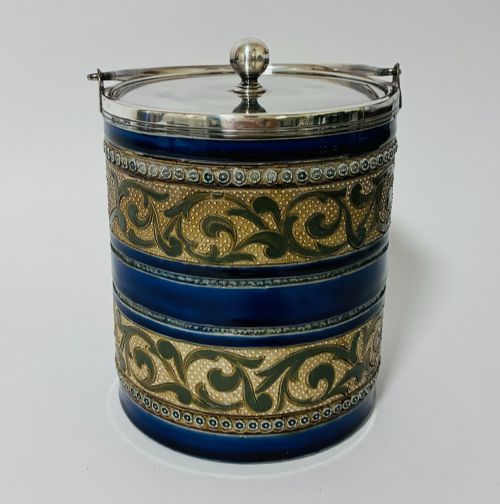
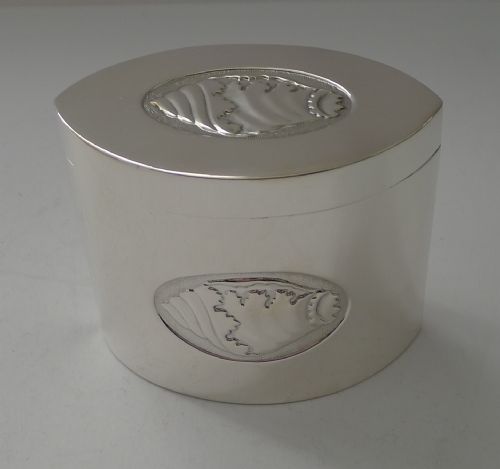
Forms include ceramic bodies with silver-plated mounts alongside heavy solid silver table boxes. Handcrafted examples sit alongside pieces bearing maker marks from established firms.
How they were made
Construction relies primarily on silver plate and solid or sterling silver worked into forms through casting and hand fabrication. Metal components pair with ceramic and stoneware bodies, particularly in biscuit barrels and kitchen jars.
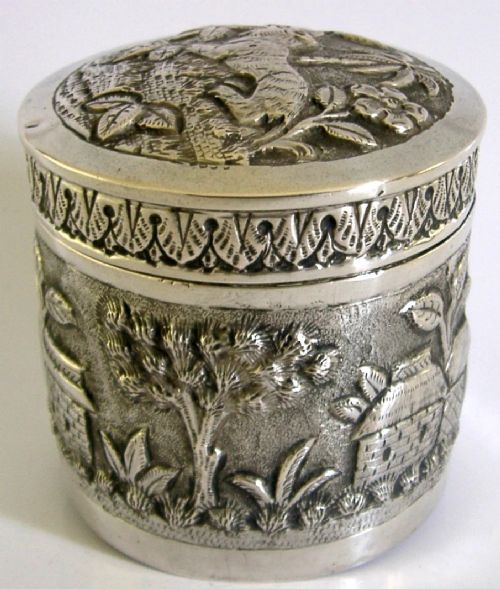
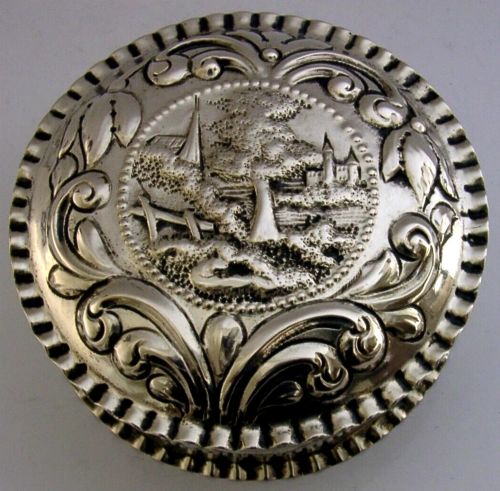
Surface ornamentation incorporates repoussé work, chasing, and pictorial cast lids such as castle top motifs. Wood and metal combine in specific desk and storage accessories across the regional styles.
One box doubles as a turban or crown carrier, proving that even small containers held grand ambitions.
What varies in quality
Quality rests in the weight of the metal and the crispness of the chased or cast decorative detail. Solid silver items demonstrate distinct heft compared to silver-plated counterparts.
The distinction between standard commercial production and superior workmanship appears in the execution of hinges, lids, and hand-finished surfaces.
Goldsmiths and Silversmiths Co·Doulton Lambeth
The Decorative Silver Container Glossary
- Tea caddy
- A small vessel designed for storing tea leaves securely. These containers often feature fitted lids and internal compartments.
- Biscuit barrel
- A lidded jar used for holding biscuits at the table, frequently combining a ceramic or stoneware body with silver-plated mounts and a swing handle.
- Repoussé
- A metalworking technique where the artisan hammers the metal from the reverse side to form a raised design in relief.
- Castle top
- A style of lid decoration featuring a detailed cast or engraved architectural view of a specific building or castle.
- Silver plate
- A manufacturing method applying a thin layer of silver over a base metal core such as copper or nickel.
Decorative Silver Container: Frequently Asked Questions
What were decorative silver containers used for?
These vessels served practical domestic roles for storing dry goods, loose tea, biscuits, or personal trinkets. Their decorative nature meant they remained on display in reception rooms and dining spaces.
Over time, their uses adapted to changing household habits while retaining their function as small-scale storage and decorative objects.
How do I care for silver and silver plate?
Maintenance involves regular, gentle dusting and occasional cleaning with a specialist silver cloth to prevent tarnish buildup. Avoid abrasive cleaners that strip thin silver plate surfaces.
Store pieces in stable environments away from high humidity to protect underlying materials like ceramic, wood, and base metals.
How can I tell the period of a container?
Dating relies on stylistic clues, manufacturing techniques, and any associated hallmarks or stamps present on the metal. Victorian and Edwardian examples often display distinct aesthetic movements.
Regional variations, such as Ottoman or Anglo-Indian styles, provide further contextual markers for the decade or century of origin.
Are these containers made of solid silver?
Materials vary across the selection between solid sterling silver and silver plate over base metals. Weight and physical hallmarks typically distinguish solid silver items from plated alternatives.
Some examples also incorporate non-metal components, including ceramic bodies, stoneware, or wooden elements.