





Decorative Silk Textile
These decorative silk textile pieces bring vibrant history into a room, offering tactile depth and rich pattern from diverse global traditions.
Decorative Silk Textile
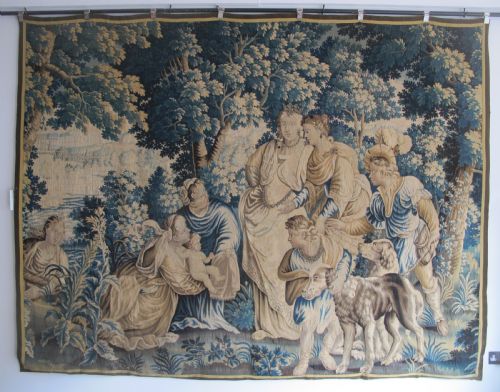
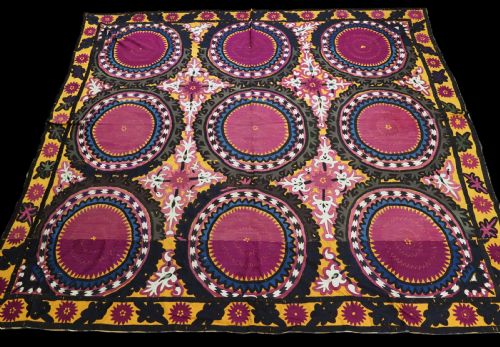
A decorative silk textile encompasses an array of historical wall hangings, screens, and cushions spanning from the seventeenth to the early twentieth century. Buyers seeking a decorative silk textile will discover items originating from Central Asian, French, Indian, and Japanese traditions. The selection frequently includes Suzani embroideries, Aubusson tapestries, and folding screens.
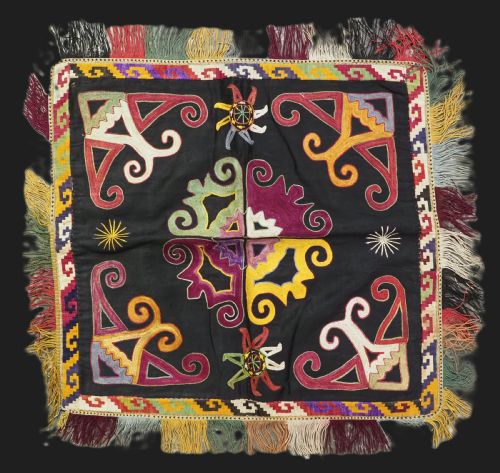
Central Asian tribal works dominate the offerings, particularly Uzbek Suzanis and Lakai tribal ilgich dowry embroideries. These pieces served functional and ceremonial roles before entering the decorative market. Alongside these, European items such as French Chateau cushions and Regency embroidered maps appear.
The objects take various physical forms designed for display, including textiles mounted as wall art and four-fold screens incorporating textile panels. Each piece reflects the specific cultural heritage and textile techniques of its region and period.
Materials and construction
Construction relies heavily on a silk foundation or silk thread embroidery applied to cotton or wool supports. Artisans utilised fine needlework techniques, visible in the dense stitching of Samarkand and Shahrisabz Suzanis. Metal stands, wood, teak, and lacquer frame structural pieces such as folding screens and spinning wheels.
The combination of silk yarn with supplementary materials like wool and cotton provided structural integrity to large wall tapestries and floor screens. Traditional dying methods achieved the varied colour palettes seen across French Baroque and Central Asian artefacts.
Decorative Silk Textile Retail Price Guide 2026
Typical asking prices for decorative silk textile among the pieces listed under this phrase on Sellingantiques today, from the lower quarter to the upper quarter. They describe what is for sale here now, not the wider market.
Listings feature items dated from the seventeenth century through to 1900, spanning Central Asian, French, Indian, and Japanese origins.
Determinants of quality
Quality rests upon the density and precision of the needlework, the retention of original dye colours, and the integrity of the base fabric. Pieces exhibiting intricate regional motifs and careful execution command greater attention.
Structural completeness also dictates value, particularly in framed or mounted objects where original wooden or metal elements remain intact alongside the textile.
The Decorative Silk Textile Glossary
- Suzani
- An embroidered tribal textile originating from Central Asia, traditionally worked in silk on a cotton or linen ground. These pieces often feature large floral and sunburst medallions.
- Aubusson tapestry
- A woven wall tapestry produced in the French town of Aubusson, known for pastoral and biblical scenes. They utilise wool and silk yarns without a pile.
- Ilgich
- A specific type of Central Asian dowry embroidery used as a hanging. They display distinct tribal geometries and symbolic motifs.
- Regency
- An English stylistic period spanning the early nineteenth century. Works from this era often include refined needlework such as educational maps.
Decorative Silk Textile: Frequently Asked Questions
How do I hang a textile?
Wall hangings require careful weight distribution to avoid stressing the silk fibres. Using a padded wooden batten or professional mounting ensures the fabric remains secure.
Avoid direct sunlight during display to prevent fading of the natural silk dyes over time.
How do I clean silk textiles?
Historical silk textiles require specialist conservation rather than standard domestic cleaning methods. Gentle surface dusting with a soft brush is the limit of home maintenance.
Professional textile conservators should handle any deeper cleaning or structural repairs.
What is an ilgich?
An ilgich is a form of Central Asian embroidery created as part of a bride's dowry. Women stitched these pieces to adorn the walls of the new household.
They typically feature bold geometric and floral patterns worked in vibrant silk threads.