



Decorative Sewing Needlework
These decorative sewing needlework items combine domestic utility with fine craftsmanship, offering tactile charm and period elegance for the home.
Decorative Sewing Needlework
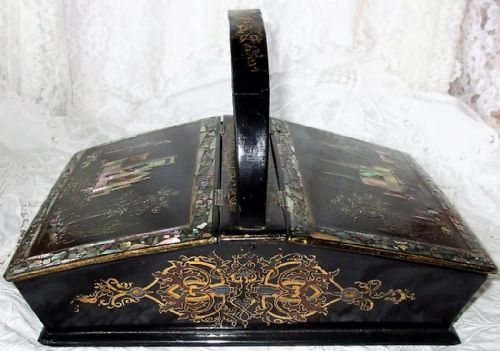
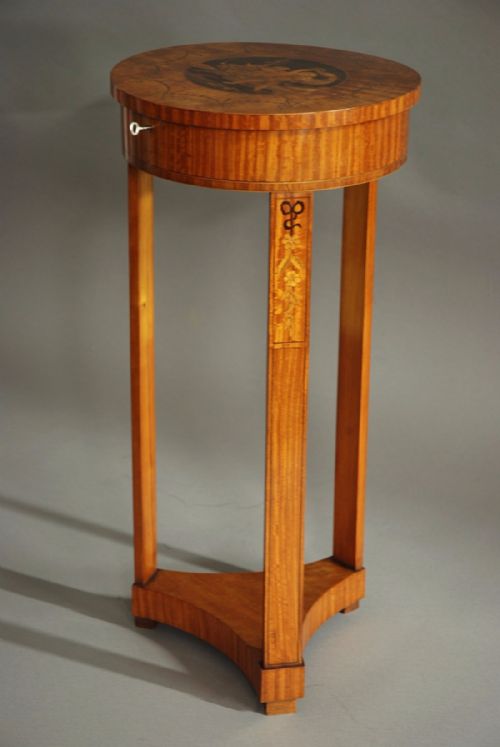
The pieces appearing on this page most commonly take the form of portable sewing boxes, caskets, and workboxes alongside occasional tables adapted for needlework. Materials span papier-mâché, mother-of-pearl, rosewood, brass, and velvet, reflecting the diverse domestic pursuits of their original owners.
How they were made
Maker's workshops employed cabinet-making techniques to construct boxes and tables from dense timbers such as rosewood, boxwood, and padouk, often incorporating fitted internal compartments for spools and tools. Surface decoration relied on specialised embellishments including mother-of-pearl inlay, japanning, penwork, and satinwood marquetry.
Textile elements such as velvet feature alongside carved bone and brass components, uniting structural carpentry with delicate surface ornamentation. French and Anglo-Indian variants demonstrate regional specialisations in carving and surface finish.
Decorative Sewing Needlework Retail Price Guide 2026
Typical asking prices for decorative sewing needlework among the pieces listed under this phrase on Sellingantiques today, from the lower quarter to the upper quarter. They describe what is for sale here now, not the wider market.
What varies in quality
Quality rests upon the precision of the construction and the intricacy of the surface decoration, distinguishing standard utility items from luxury presentation pieces. The crispness of carved padouk, the regularity of mother-of-pearl inlay, and the preservation of delicate penwork or japanning define the upper tier of execution.
Internal arrangements also signal distinction, where fully fitted compartments with original linings demonstrate greater initial investment by the maker than plain box interiors.
The Decorative Sewing Needlework Glossary
- Workbox
- A portable box fitted with compartments for holding sewing implements, threads, and materials. These containers were essential accessories for needlework in nineteenth-century parlours.
- Papier-mâché
- A composite material made from paper pulp or reinforced sheets mixed with glue, moulded and dried before being painted or lacquered. It provided a smooth surface for ornamental finishes.
- Padouk
- A heavy tropical hardwood valued for its rich reddish-brown colour and suitability for intricate carving. Anglo-Indian craftsmen utilised this timber for decorative furniture and boxes.
- Japanning
- A European technique imitating traditional Asian lacquer finishes by applying layers of varnish and heat-cured resin. It frequently appeared on early nineteenth-century workboxes.
- Marquetry
- The art of applying thin veneers of wood and other materials to a structural surface to create pictorial patterns. Satinwood and contrasting timbers were often deployed in this manner.
Decorative Sewing Needlework: Frequently Asked Questions
What is a sewing box?
A sewing box is a specialised lidded container designed to hold needles, threads, fabrics, and small tools used for needlecraft. They range from small portable caskets to larger table-top companions.
During the nineteenth century, these boxes sat prominently on parlour tables, combining practical storage with decorative display.
How were workboxes used?
Workboxes served as mobile storage units for domestic needlework, keeping embroidery and mending supplies organised in one place. Owners opened them during social gatherings or quiet afternoons.
Inside, lift-out trays and lidded compartments kept pins, thimbles, and bobbins secure when the box was carried from room to room.
How do I identify a Regency box?
Regency pieces typically display clean architectural lines, classical proportions, and restrained brass or leather detailing dating from the early nineteenth century. Rosewood and mahogany were favoured timbers during this period.
Unlike later Victorian examples, Regency boxes often rely on the natural grain of the wood rather than heavy surface inlay or applied ornamentation.
What distinguishes papier-mâché pieces?
Papier-mâché objects feature smooth, dark surfaces that often incorporate mother-of-pearl inlay or painted floral motifs. The material allowed makers to fashion durable yet lightweight caskets.
These pieces belong primarily to the nineteenth century, reflecting the period's taste for glossy, reflective finishes in domestic accessories.