



Decorative Reading Lamp
These decorative reading lamp examples span Victorian to Art Deco periods, bringing period illumination and historic character directly to your interior.
Decorative Reading Lamp
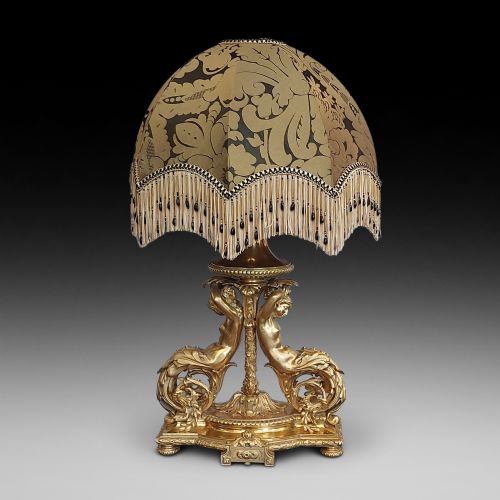
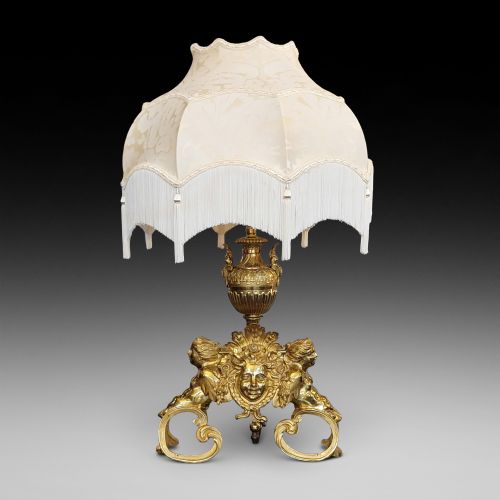
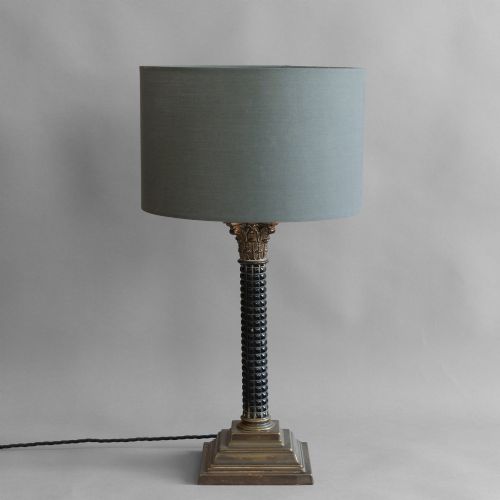
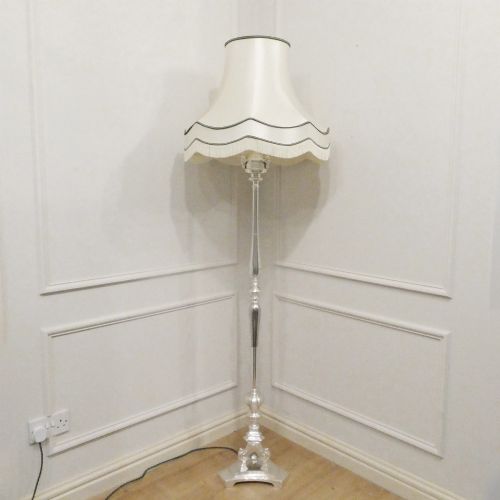
A decorative reading lamp provides functional task lighting through historic forms such as Corinthian columns, telescopic standards, and classical pillars. These pieces originate from the nineteenth and early twentieth centuries, encompassing Victorian, Edwardian, and Art Deco eras.
Table lamps and floor lamps dominate the selection, utilising metal and brass structures paired with fabric or glass elements. Many items employ revival aesthetics, including Gothic, Neoclassical, Romanesque, and Italian Baroque styles.
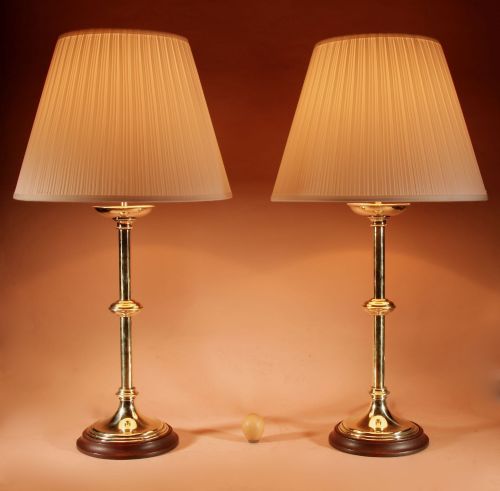
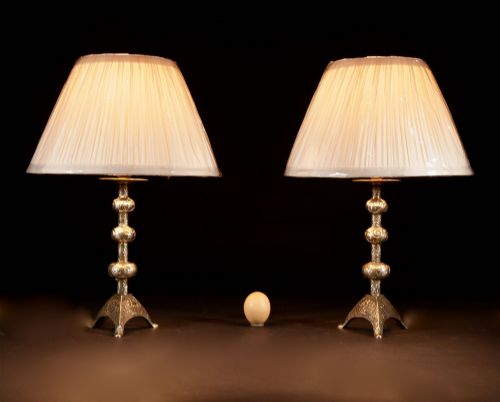
The most common formats on this page are brass column table lamps and tall standard lamps made around nineteen hundred. Buyers also encounter pairs and occasional pieces incorporating giltwood, bronze, porcelain, and copper.
Materials and construction methods
Metalworking defines the construction of these lamps, with cast brass, solid brass, bronze, and copper forming the primary structural columns and bases. Workshops utilised turning, casting, and ormolu techniques to create rigid architectural supports.
Secondary materials such as giltwood, porcelain de Paris, and porcelain de biscuit add decorative contrast to the metallic standards. Fabric and glass components complete the shades and diffusers, integrating illumination with period craftsmanship.
Decorative Reading Lamp Retail Price Guide 2026
Typical asking prices for decorative reading lamp among the pieces listed under this phrase on Sellingantiques today, from the lower quarter to the upper quarter. They describe what is for sale here now, not the wider market.
Early twentieth century engineers clearly believed every serious reader required the structural backing of a Romanesque cathedral column.
Factors of execution and design
Quality rests in the crispness of the metal casting, particularly on Corinthian capitals, column fluting, and heavy cast brass bases. Superior examples maintain exact symmetry and retain original surface patination without excessive polishing.
The integration of mixed media, such as combined bronze and ormolu or finely painted porcelain sections, separates standard utility lighting from elevated decorative pieces. Maker attribution, evident in specific brass standard lamps, further elevates the standing of an individual object.
WAS Benson
The Decorative Reading Lamp Glossary
- Corinthian column
- A classical column form featuring ornate acanthus leaves and scrolls at the capital. This architectural motif appears frequently on nineteenth century brass table lamps.
- Telescopic standard
- An adjustable floor lamp mechanism allowing the height of the light source to move vertically. This practical design was favoured during the Arts and Crafts period.
- Ormolu
- Finely ground high-carat gold applied to a bronze base through a mercury amalgamation process. This technique gives metallic mounts a rich, warm lustre.
- Cloisonne
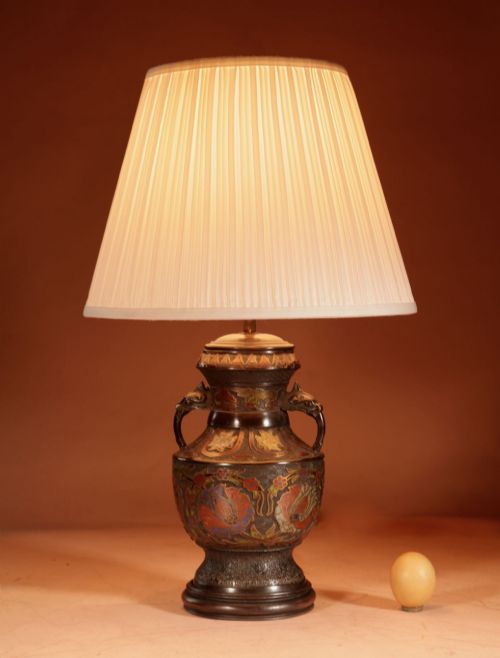
- An ancient metalworking technique using wire compartments soldered to a metal body and filled with enamel paste. Examples integrate Japanese craftsmanship into Victorian interiors.
- Giltwood
- Timber coated with a thin layer of gold leaf over a prepared gesso ground. This finish provides reflective brilliance on Italian Baroque and later floor lamps.
Decorative Reading Lamp: Frequently Asked Questions
What is a decorative reading lamp?
A decorative reading lamp is a period lighting fixture designed for task illumination while serving as a prominent interior ornament. These objects combine historical architectural styles with functional electrical or oil configurations.
Items range from heavy brass table columns to tall standard floor lamps originating from the Victorian, Edwardian, and Art Deco eras.
How were these lamps used historically?
These lamps provided targeted lighting for reading, writing, and needlework in nineteenth and early twentieth century parlours and libraries. Telescopic standard models allowed users to adjust the height of the light over desks or armchairs.
Table versions sat on heavy mahogany sideboards or partner desks, using brass and column designs to project authority and style.
How do I place a floor lamp in a room?
Standard floor lamps work well beside reading chairs, sofas, or in dark corners that require vertical height and downward illumination. Taller telescopic examples allow precise height adjustment to suit different seating arrangements.
Pairing brass or giltwood standards with complementary period furniture anchors the lighting within a traditional or revival scheme.
How can I tell the period of a lamp?
Dating relies on matching the stylistic revival motifs, such as Gothic, Romanesque, or Neoclassical details, with known manufacturing periods between eighteen eighty and nineteen thirty. Material choices, including cast brass, copper, and early porcelain bodies, offer further chronological clues.
Maker signatures or specific construction marks, such as telescopic mechanisms found in Arts and Crafts pieces, provide precise attribution.