





Decorative Pillars
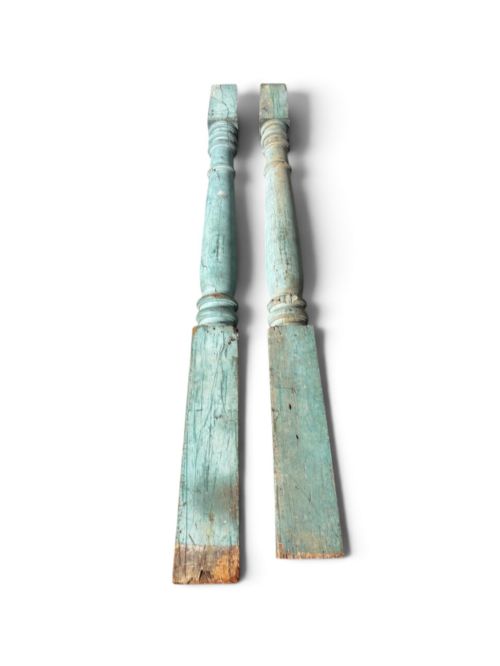
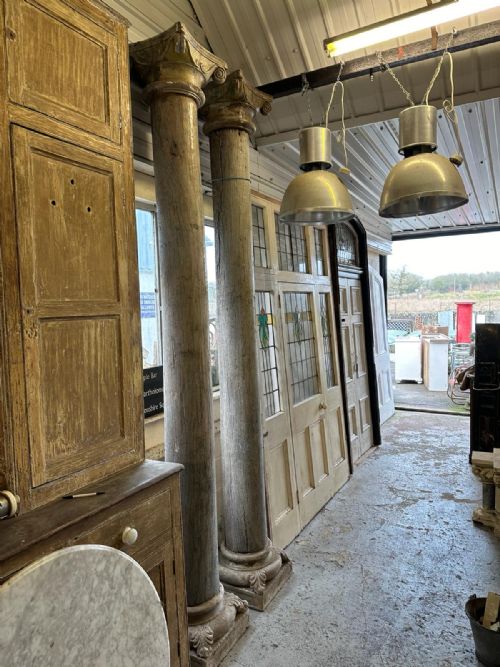
These decorative pillars bring classical form and substantial architectural presence indoors, offering both structural weight and ornamental display.
Decorative Pillars
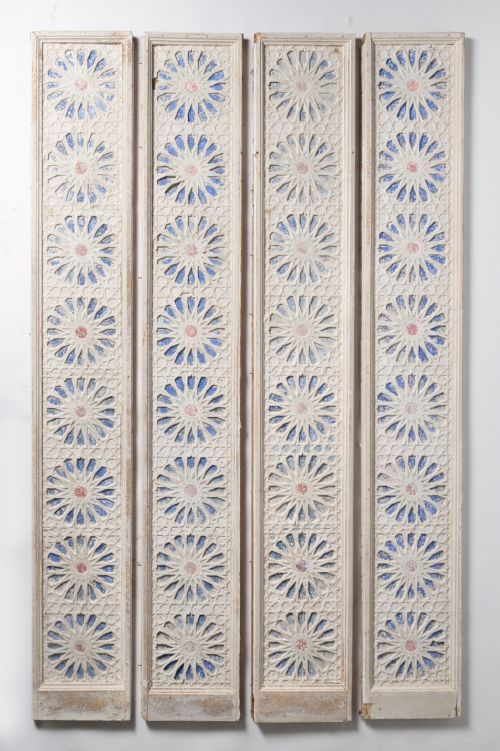
Decorative pillars encompass architectural elements, pedestals, and columns originating from periods spanning the eighteenth century through to the Art Deco era of the nineteen thirties. You will frequently encounter pairs of nineteenth century wooden and stone columns, alongside carved hardwood examples and architectural salvage.
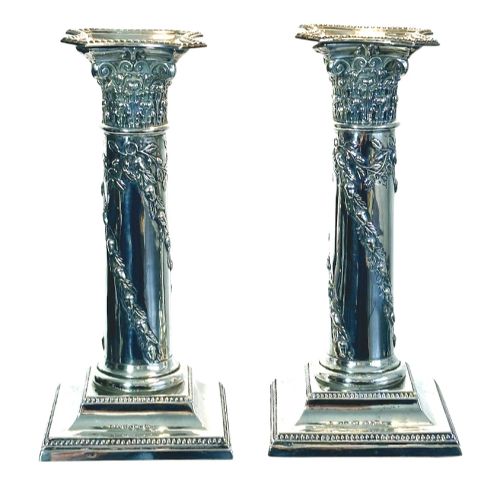
The category extends to furnishings designed to elevate display objects, including plant stands, pedestals, and torchiere columns. Candlesticks and architectural fragments also appear, reflecting diverse applications from domestic interiors to theatrical settings.
Origins vary widely across the selection, ranging from English and French workshops to Italian marble pieces and Indian hardwood carvings. Architectural salvage items sit alongside finished decorative furnishings, providing options for both structural placement and surface display.
How they were made
Construction relies heavily on traditional woodworking techniques applied to hardwoods, oak, walnut, and softwood, often combined with carved stone bases or capitals. Artisans also utilised cast bronze, brass, earthenware, and glazed pottery for specific forms such as candlesticks and jardinières.
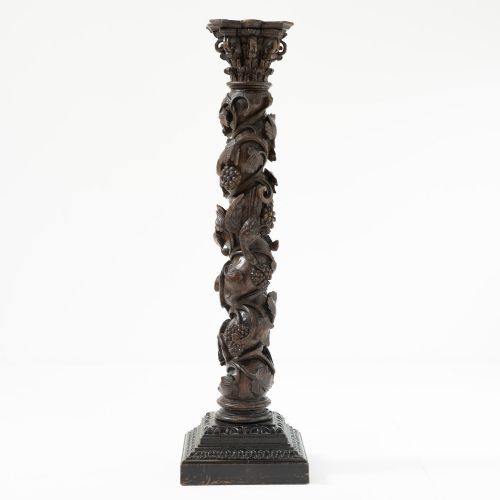
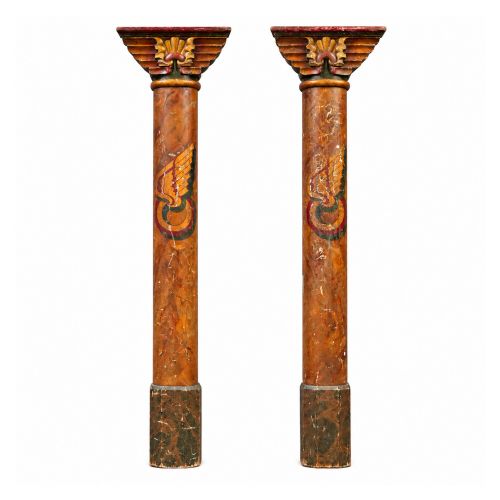
Surface finishes display considerable variety, incorporating hand-applied paint, parcel gilt details, silver plating, and polished marble such as verde antico. Carving remains a dominant method for rendering classical orders like the Ionic capital, alongside turned wooden elements on fairground and architectural columns.
Decorative Pillars Retail Price Guide 2026
Typical asking prices for decorative pillars among the pieces listed under this phrase on Sellingantiques today, from the lower quarter to the upper quarter. They describe what is for sale here now, not the wider market.
Some columns spent their youth spinning on early twentieth century fairground carousels before retiring to domestic interior display.
What varies in quality
Quality rests primarily upon the crispness of the carving and the proportional harmony of the capital, shaft, and base. Finer examples exhibit deep, confident chisel work on hardwood or stone, whereas lesser pieces rely on simpler turned profiles or weathered architectural salvage surfaces.
The choice of material and finish dictates the refinement of the piece, distinguishing grand salon furnishings from utilitarian architectural supports. Original painted surfaces, rich patination on walnut and oak, and intact gilding elevate the visual impact of nineteenth century and earlier works.
Marguerite
The Decorative Pillars Glossary
- Solomonic
- A column shaft characterised by a helical twist or spiral form. This Baroque feature creates strong vertical movement and visual rhythm.
- Torchiere
- A tall stand or candlestick originally designed to carry a torch. In later periods, these developed into slender pedestals for displaying sculpture or lamps.
- Verde Antico
- A dark green serpentine marble often used in classical architecture and decorative columns. It provides a rich, mottled surface texture.
- Ionic
- One of the classical orders of architecture, instantly recognisable by the scroll-like volutes on its capital. It appears frequently on carved wooden and stone column tops.
- Parcel Gilt
- A surface decoration technique where only specific portions of an object are covered in gold leaf. This highlights carved details against a painted or wood background.
Decorative Pillars: Frequently Asked Questions
How were decorative pillars used?
These pieces served both structural and display functions within domestic interiors, grand halls, and theatrical settings. Many held lamps, urns, or jardinières, while others functioned purely as architectural accents.
Larger pairs often framed doorways or porticos, whereas freestanding pedestals elevated works of art to eye level.
Can these columns support structural weight?
Most items listed as decorative pillars or architectural salvage are intended for display or interior decoration rather than load-bearing building support. Pieces retrieved from porticos or fairgrounds may require professional assessment if utilised structurally.
Solid stone and hardwood examples possess substantial weight, yet their capacity for supporting heavy loads depends entirely on their current condition and base stability.
How do I date a decorative pillar?
Dating relies on identifying the material, carving style, and prevailing aesthetic of the period, such as Neoclassical, Baroque, or Art Deco. Tool marks, timber species, and surface treatments like early paint layers provide further chronological indicators.
Comparing capital designs, such as Ionic or Corinthian orders, against known historical revival movements helps narrow down the century of manufacture.
How do I clean wooden and stone columns?
Dusting with a dry, soft cloth preserves delicate painted surfaces, gilding, and antique timber patination. Moisture should be avoided on exposed wood and traditional painted finishes unless the specific material requires specialist conservation.
Stone and marble surfaces tolerate gentle cleaning with appropriate non-acidic solutions, though care must be taken to protect adjacent woodwork.