


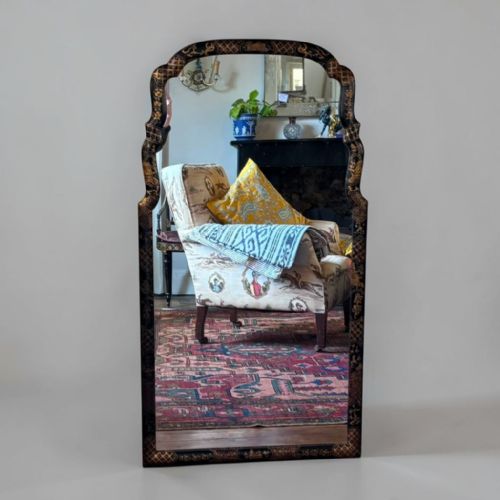
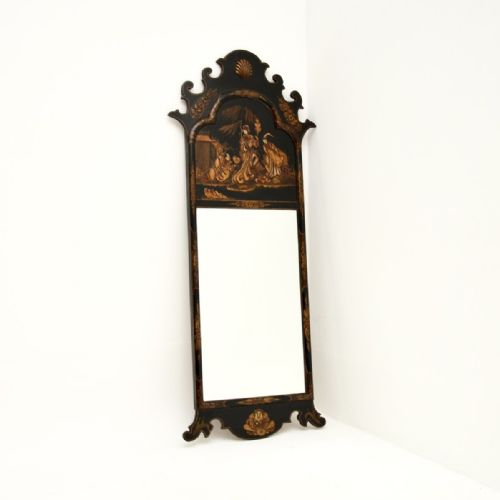
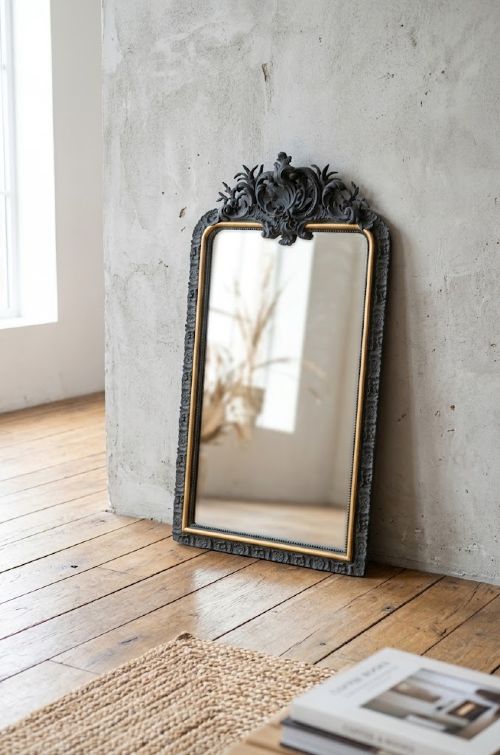
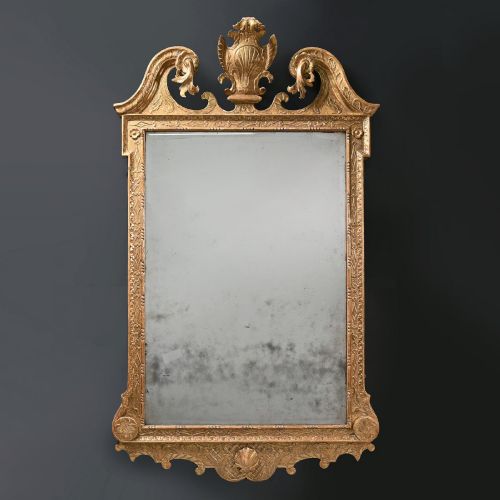
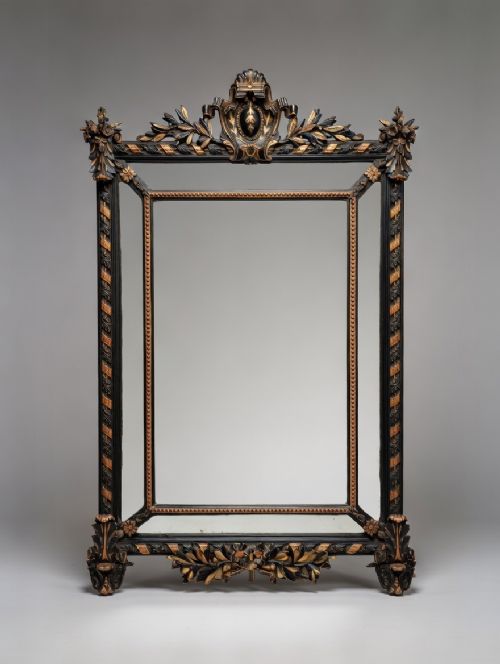
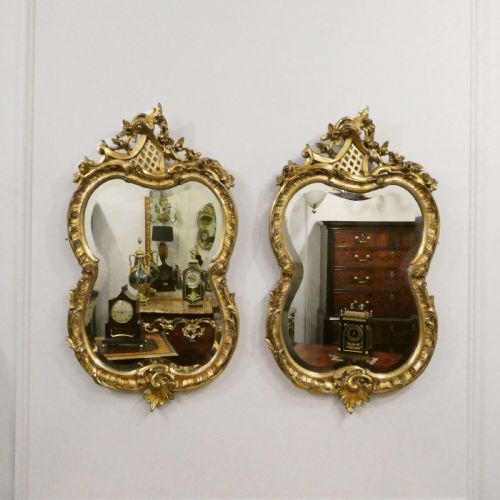
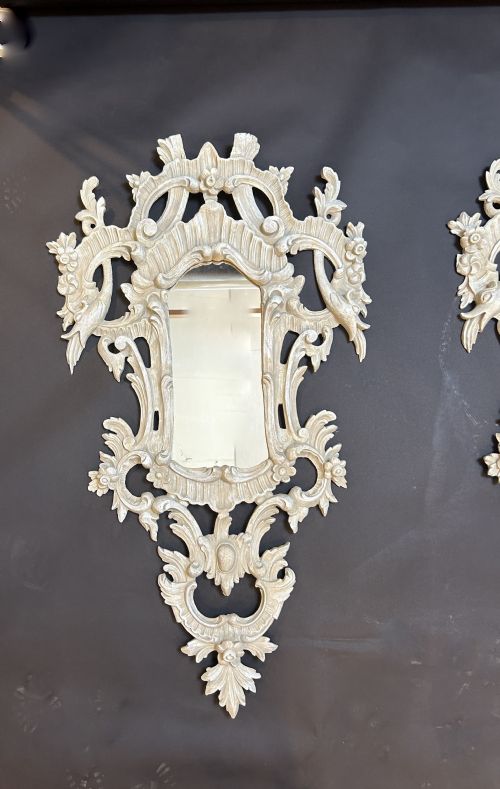
Decorative Pier Glass
A decorative pier glass brings proportion and reflected light to a room, hung traditionally between two windows over a pier table.
Decorative Pier Glass
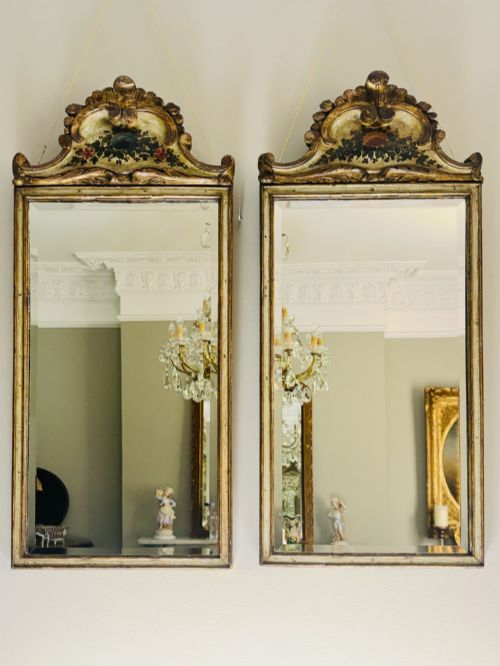
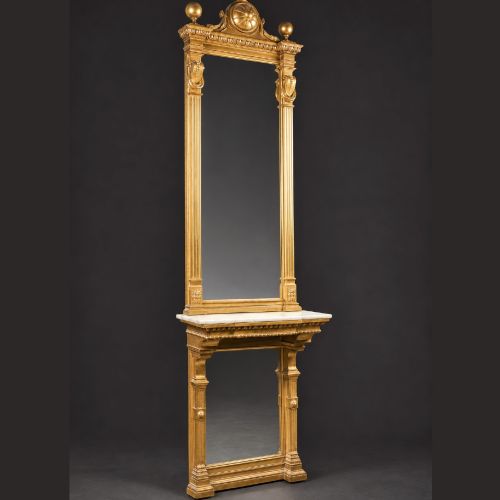
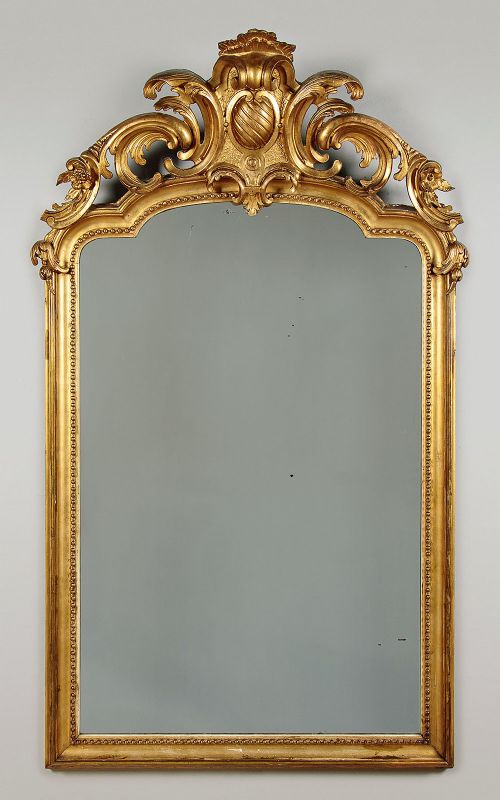
A decorative pier glass is a tall, vertical wall mirror designed specifically to fit narrow wall spaces between architectural openings. The pieces found here span the eighteenth, nineteenth, and early twentieth centuries, encompassing periods from George II through to Edwardian interpretations.
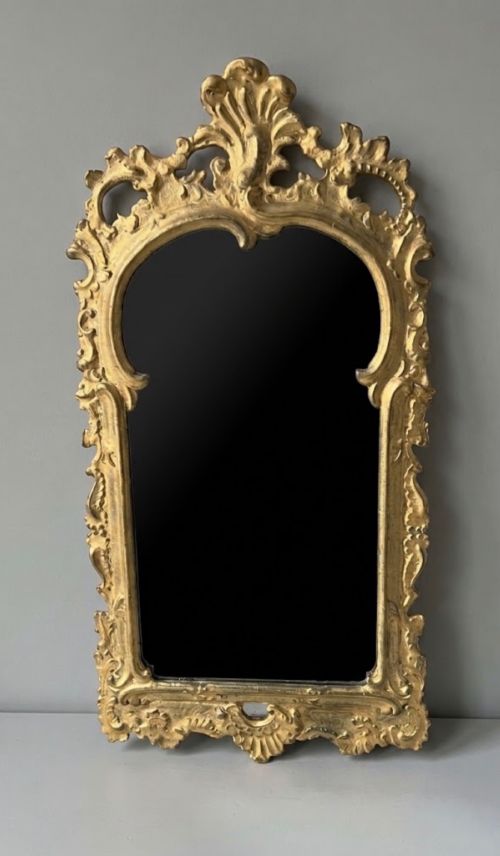
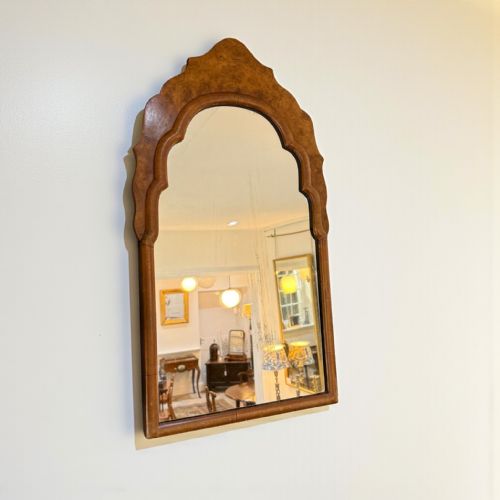
Most examples you encounter on this page date from the nineteenth century, drawing on French Empire, Regency, and Rococo Revival styles. Alongside traditional giltwood frames, you will find painted wood finishes, walnut, and occasional variants with integrated shelves or console brackets.
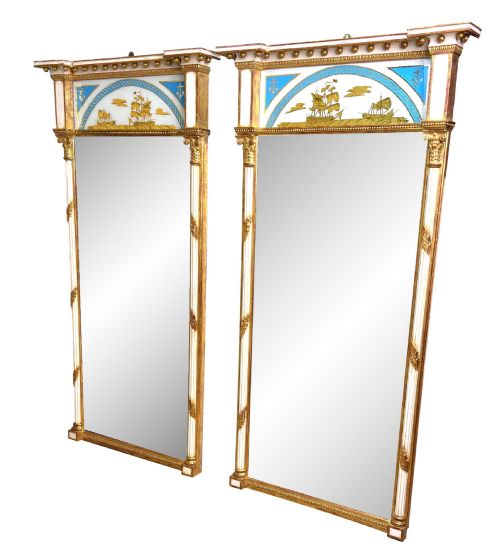
Makers and designers of these mirrors utilised specific regional vocabularies, from English Adams designs to Italian hand-painted panels and French trumeau formats. The forms remain predominantly wall-hanging mirrors, though associated display cabinets and console mirrors also appear.
How they were made
Carpenters constructed the structural frames using timber such as walnut, oak, and pine, often applying layers of gesso to build up intricate relief ornaments before gilding. Gold leaf and parcel-gilt treatments were then meticulously laid over the prepared surfaces to catch the candlelight or natural daylight.
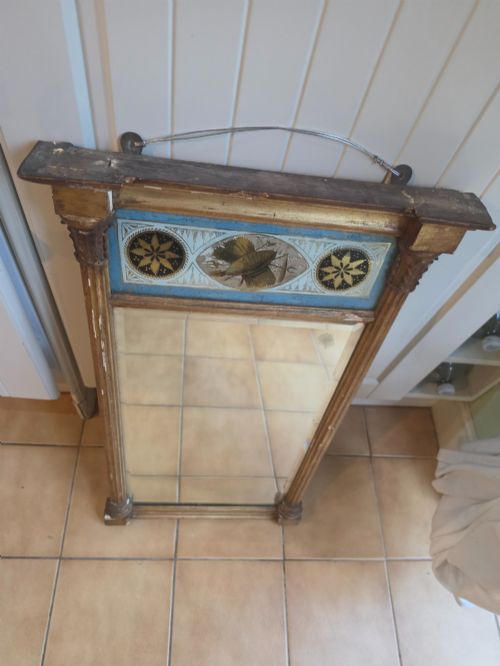
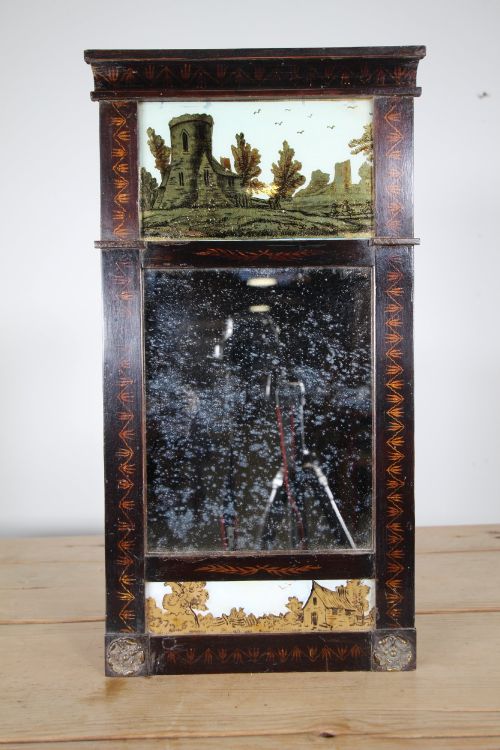
Reflecting plates were produced as mirror glass, sometimes incorporating verre églomisé panels or inset hand-painted foliate sections above the main glass. Carved wooden elements, acanthus leaf friezes, and ebonised details completed the construction of these substantial wall fixtures.
Decorative Pier Glass Retail Price Guide 2026
Typical asking prices for decorative pier glass among the pieces listed under this phrase on Sellingantiques today, from the lower quarter to the upper quarter. They describe what is for sale here now, not the wider market.
Some nineteenth-century mirrors include hidden shelves and eglomisé panels, giving guests a double take while they check their powdered wigs.
What varies in quality
The distinction in quality rests upon the crispness of the carved gesso and wood details, where sharp relief and depth indicate skilled hand-carving rather than mass-produced moulding. Original gilding and untouched surfaces retain a depth of tone that inferior later overpainting obscures.
Proportions dictate much of the visual success, as superior examples maintain a harmonious relationship between the height of the glass plate and the width of the decorative frame. The integrity of the original mirror glass plate, with appropriate age foxing, further separates standard production from finer output.
The Decorative Pier Glass Glossary
- Pier glass
- A tall mirror designed to hang on the narrow pier of wall between two windows. It frequently sat above a matching console table.
- Gesso
- A plaster-like mixture applied to wood frames to create a smooth surface for carving and gilding. Artisans built up layers to model intricate relief decoration.
- Verre églomisé
- A cold decoration technique where design work is applied to the reverse of glass using gold or silver leaf and pigment. This creates a reflective, metallic panel often seen in the upper section of a mirror.
- Trumeau
- A decorative wall mirror incorporating a painted panel or oil painting above the glass plate. These French pieces integrated woodwork and art into a single architectural unit.
- Parcel-gilt
- A finish where only specific carved portions of a painted or wood frame are gilded. This highlights particular ornamental details against a contrasting background.
Decorative Pier Glass: Frequently Asked Questions
How do I identify the period of a mirror?
Period identification relies on observing the stylistic vocabulary, construction methods, and materials used in the frame. Eighteenth-century pieces often display carved gesso with restrained neoclassical lines, whereas nineteenth-century variants frequently draw on bolder Rococo Revival or Empire motifs.
Backboards, fixings, and the nature of the glass plate provide additional clues to the age of the piece. Examining whether the gilding is applied over traditional gesso helps confirm the manufacturing era.
What is the difference between a pier glass and a trumeau?
A pier glass is defined primarily by its tall, narrow proportions intended for the wall space between windows. While it may feature decorative carvings at the crest, the focus remains on the vertical mirror plate.
A trumeau incorporates an integrated painted panel, carving, or inset artwork directly above the mirror glass within a unified architectural frame. Both serve similar decorative functions in period interiors.
How do I care for antique glass and gilding?
Giltwood and gesso frames require gentle dusting with a soft, dry brush to prevent the accumulation of dirt in the carved recesses. Moisture and modern chemical cleaners damage water-gilt surfaces and historical finishes instantly.
Mirror glass should be cleaned sparingly using a cloth dampened slightly with water or a mild glass cleaner, taking care not to let liquid seep behind the frame edges where it can harm the silvering.