


Decorative Picture Frame
A decorative picture frame holds art and memory in a boundary of wood, metal, or gesso, turning a simple image into a room's focal point.
Decorative Picture Frame
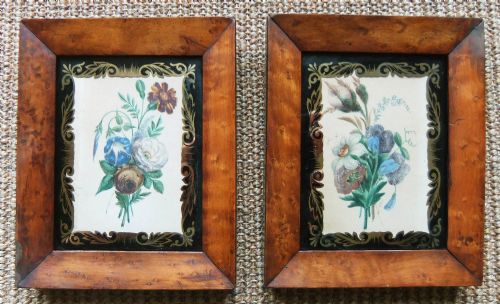
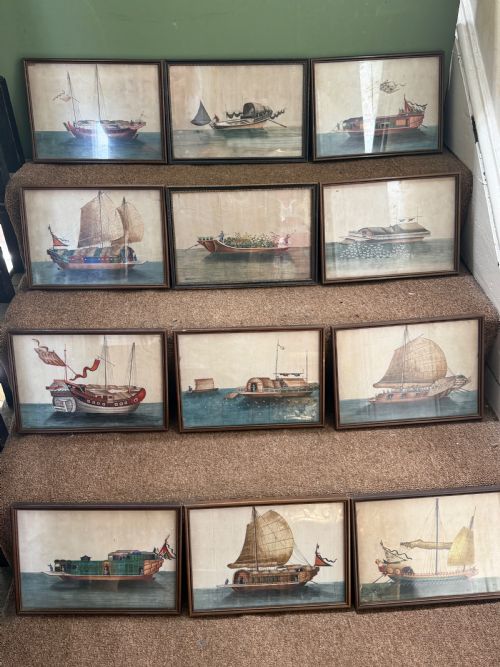
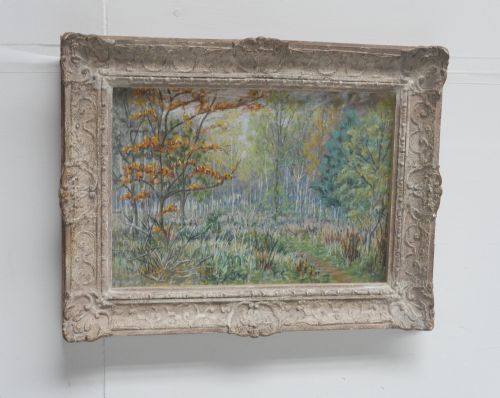
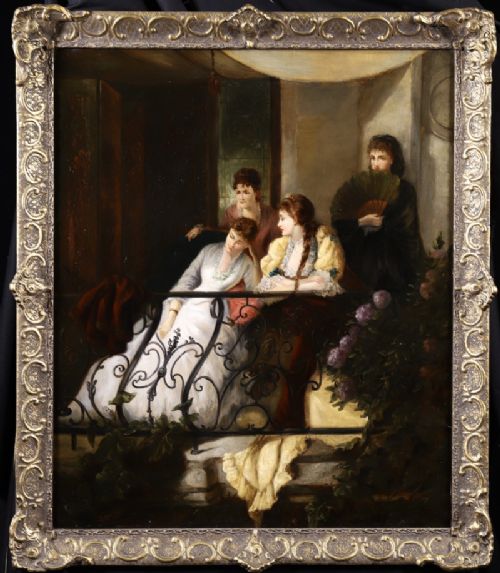
When you search for a decorative picture frame, you encounter a varied selection spanning the nineteenth and early twentieth centuries, encompassing both standalone borders and pieces still housing original watercolours, oils, and photographs.
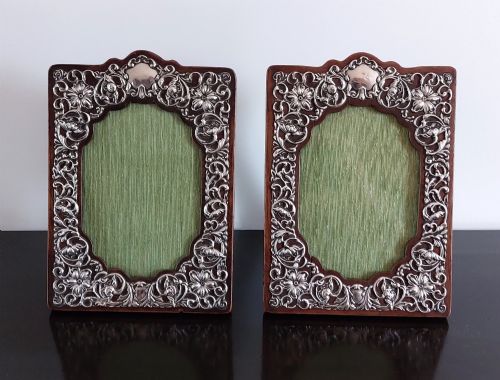
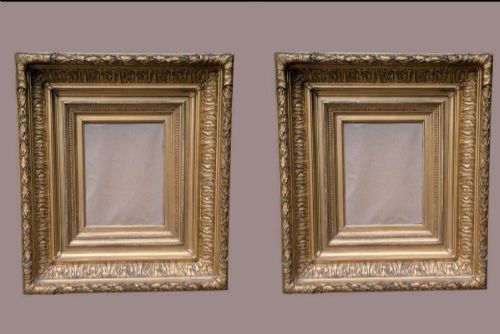
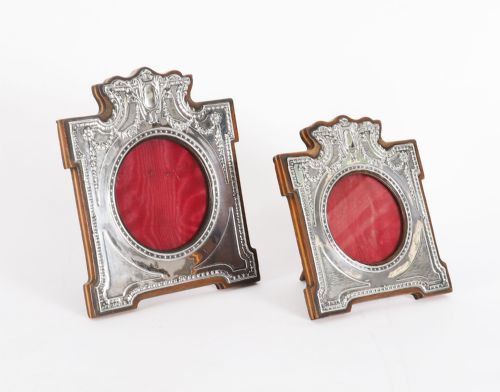
The objects on this page range from robust Victorian giltwood mouldings and deep frames to delicate sterling silver photograph holders and cast brass mirrors.
Domestic display traditions shape these items, with many designed to sit on tables with velvet backs or hang on walls to frame portraits, botanical studies, and mirrors.
Materials and Construction
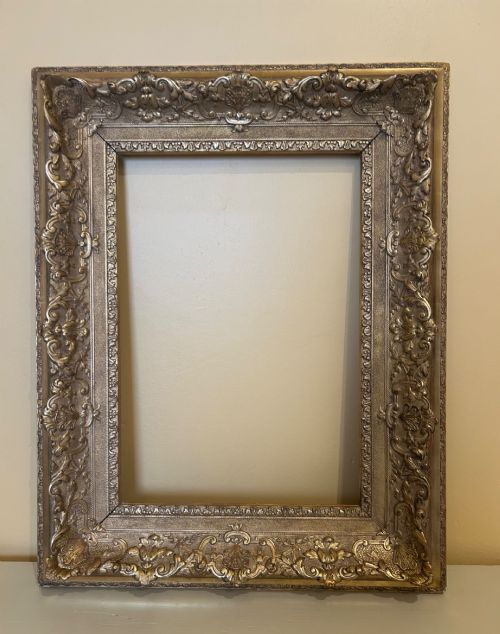
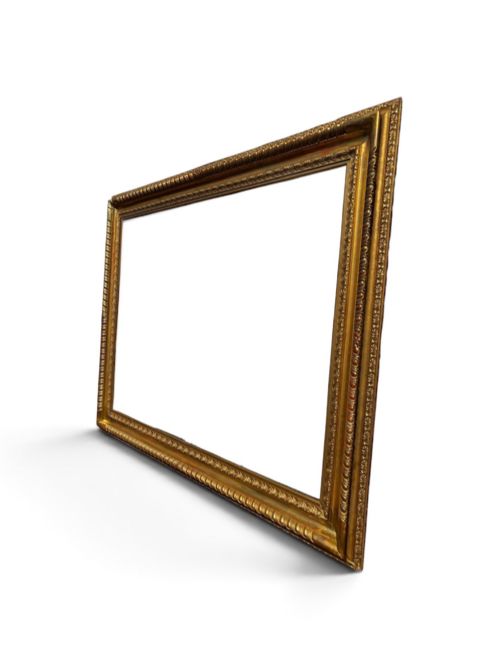
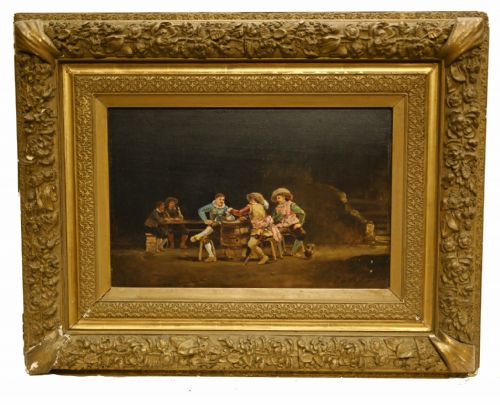
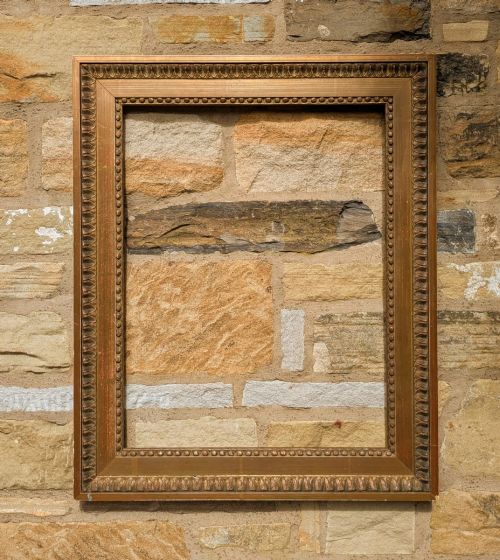
Giltwood, gesso, and gold leaf form the foundation of many ornate nineteenth-century borders, requiring skilled carvers to build up relief ornamentation such as egg and dart mouldings before gilding.
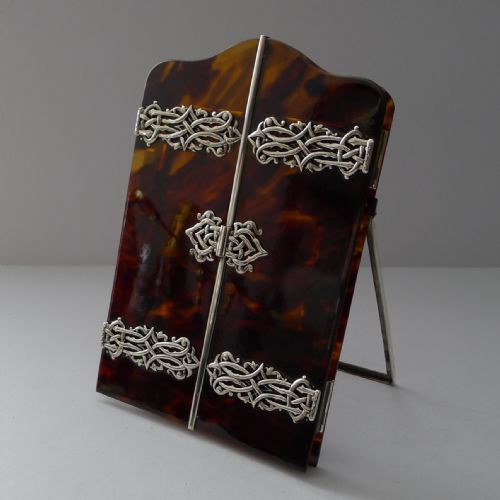
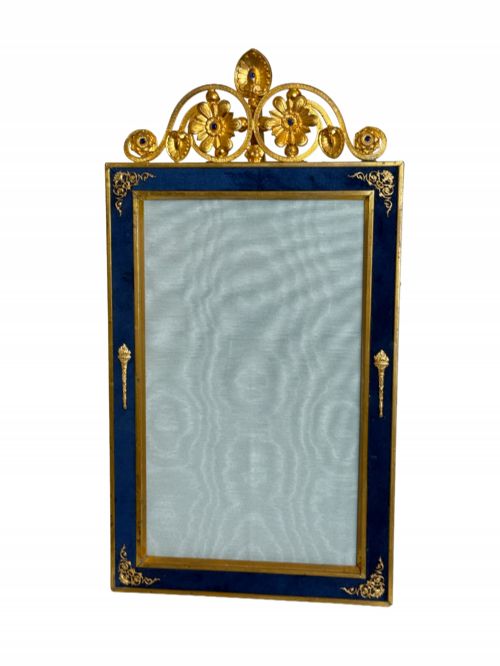
Sterling silver, brass, pewter, and ormolu appear frequently in photograph frames from the Victorian and Edwardian eras, often paired with structural wood cores and supportive easel backs.
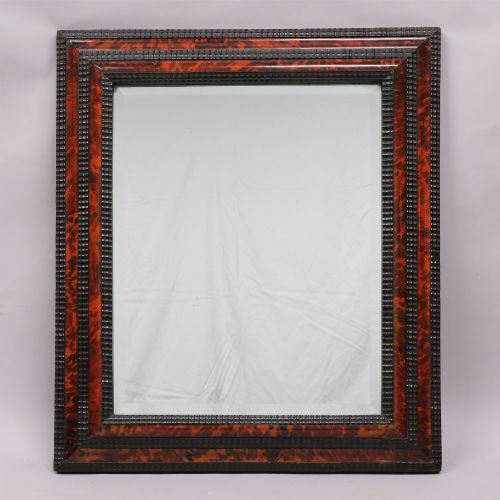
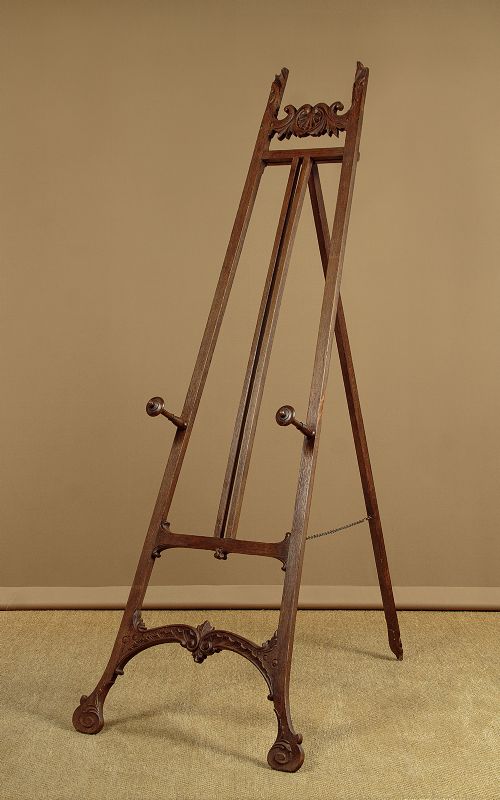
Organic materials such as walnut, oak, and tortoiseshell provide rich textures, seen in ripple-moulded mirrors and carved regional work.
Decorative Picture Frame Retail Price Guide 2026
Typical asking prices for decorative picture frame among the pieces listed under this phrase on Sellingantiques today, from the lower quarter to the upper quarter. They describe what is for sale here now, not the wider market.
Listings include silver, wood, and brass frames spanning the nineteenth and twentieth centuries.
Assessing the Standard
The depth of carving and the crispness of the moulding dictate the visual weight of a frame, separating mass-produced items from pieces shaped by skilled hands.
Original backing materials, intact gilding, and well-preserved glass or silver surfaces preserve the integrity of the piece over time.
Stylistic cohesion, such as matching pairs or harmonious corner junctions, elevates the appeal of domestic display items.
Mappin Bros·Hardy Brothers·Stuart Armfield·J De Ninville·John A Monteith
The Decorative Picture Frame Glossary
- Gesso
- A plaster-like mixture applied to wood surfaces and carved or moulded before applying gold leaf. This material creates the raised decorative motifs seen on many nineteenth-century frames.
- Giltwood
- Timber coated with gold leaf or gold paint. It reflects candlelight and natural illumination in period interiors.
- Ormolu
- Finely chased and gilt bronze or brass mounted onto decorative objects. This technique was favoured by French makers for ornate photograph borders.
- Ripple moulding
- A pattern of concentric undulations cut into timber using specialised machinery. This technique created the distinct surface texture found on seventeenth-century revival frames.
- Egg and dart
- An ornamental banding motif consisting of alternating egg-shaped shapes and arrowheads. It frequently decorates neoclassical and Victorian mouldings.
Decorative Picture Frame: Frequently Asked Questions
How do I clean a silver frame?
Use a soft microfibre cloth and specialised silver polish sparingly to avoid touching any adjacent glass or velvet backings.
Take care around embossed details where polish residue can accumulate and dull the metal over time.
Can I change the picture inside?
Many frames allow you to swap artwork by releasing the backboard clips or pins, provided the new picture matches the internal rebate depth.
Older pieces with fragile gilt backing or sealed paper tapes require caution to avoid disturbing the original structure.
How do I hang a heavy gilt frame?
Secure the frame using appropriate wall anchors and picture wire rated well above the combined weight of the wood and glass.
Check that the D-rings or screw-eyes screwed into the wooden rebate remain firmly seated in solid timber.
Are these frames suitable for modern art?
Period borders provide a striking contrast when paired with contemporary prints, drawings, or minimalist paintings.
Ensure the scale and visual weight of the moulding complement the artwork without overpowering the composition.