





Decorative Painted Chairs
These decorative painted chairs bring colour and character to a room, spanning garden benches, salon seats and dining sets from the nineteenth and twentieth centuries.
Decorative Painted Chairs
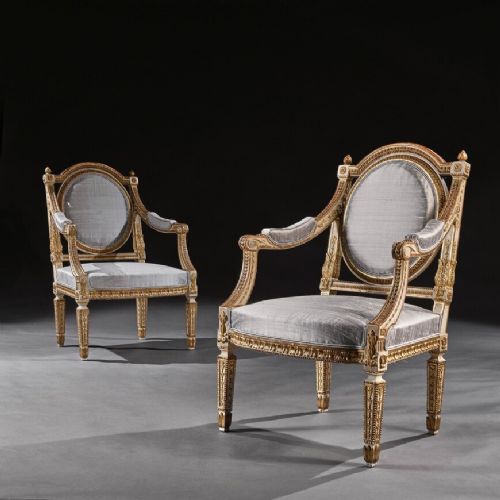
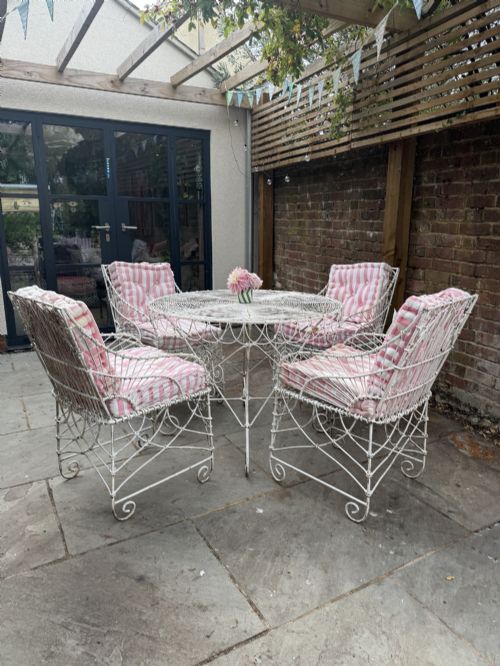
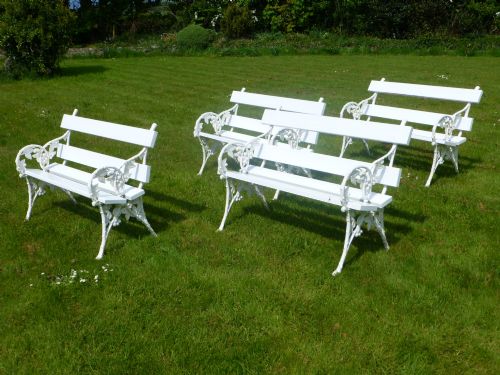
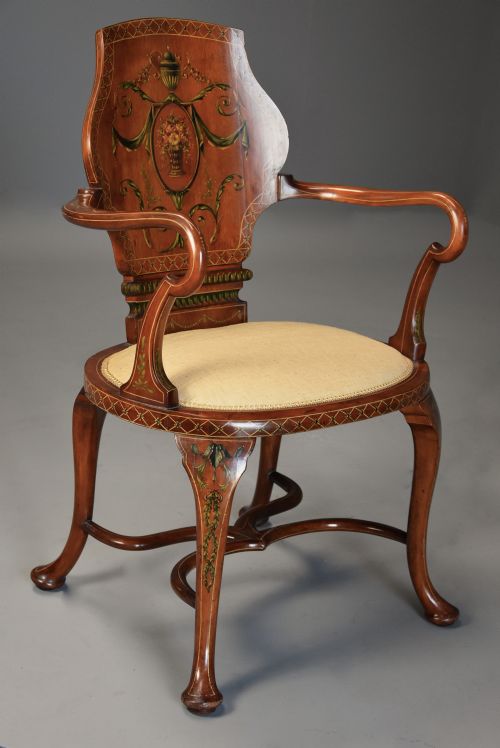
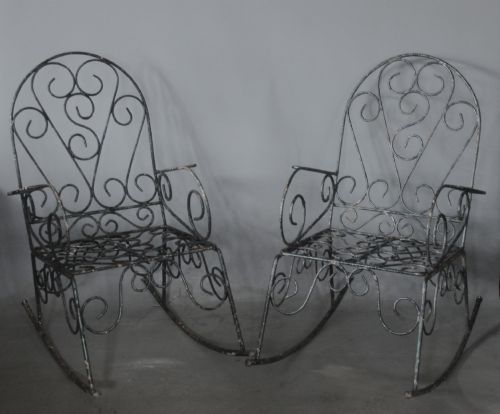
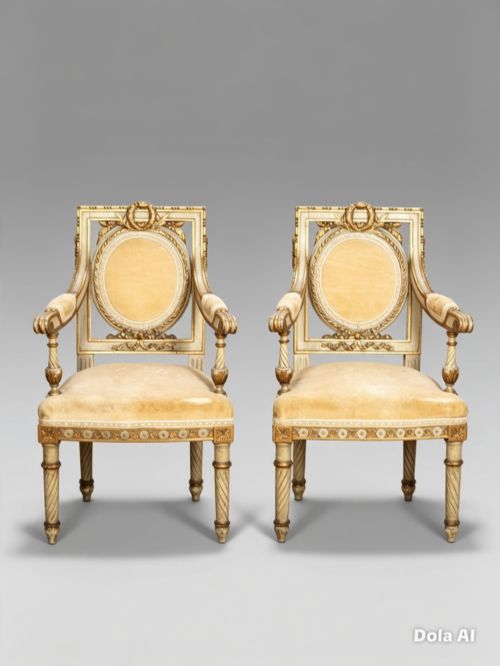
When you search for decorative painted chairs, you encounter a varied selection of seating spanning the nineteenth and twentieth centuries, including garden furniture and indoor armchairs. The pieces range from Victorian cast iron garden benches to Edwardian satinwood armchairs and French salon chairs.
You are most likely to meet wooden bedroom chairs, dining chairs in Regency tastes, and metal garden chairs finished with painted surfaces. These items combine practical seating with decorative painted finishes across various styles such as Neoclassical, Moroccan and French Riviera.
How they were made
Carpenters and makers utilised woods such as walnut and satinwood, alongside cast iron, wrought iron, cane and papier-mâché, shaping frames through traditional joinery and metal casting. Surfaces received hand-painted details, lacquering, ebonising, gilding and parcel gilt treatments.
Upholstered elements incorporate fabric seats, while garden pieces rely on durable metal frameworks designed for outdoor use. Craftspeople applied decorative motifs directly onto the wood, iron or papier-mâché substrates.
Decorative Painted Chairs Retail Price Guide 2026
Typical asking prices for decorative painted chairs among the pieces listed under this phrase on Sellingantiques today, from the lower quarter to the upper quarter. They describe what is for sale here now, not the wider market.
Materials represented across the selection include cast iron, wrought iron, satinwood, walnut, fabric, cane and papier-mâché.
What varies in quality
The fineness of the painted detail and the execution of the hand-painted motifs distinguish superior examples from simpler utilitarian seating. Superior pieces display crisp carving, balanced proportions and sophisticated surface decoration.
The integrity of the underlying material, whether cast iron, walnut, satinwood or lacquered papier-mâché, dictates the structural longevity of the chair. Condition of the painted surface and originality of the finish influence the overall character of each piece.
Falkirk foundry·Jennens and Bettridge
The Decorative Painted Chairs Glossary
- Satinwood
- A dense, yellowish wood often used for fine Edwardian and Georgian furniture, prized for its lustrous grain and smooth surface.
- Parcel gilt
- A decorative technique where specific carved or raised details of an object are partially gilded with gold leaf.
- Papier-mâché
- A composite material made from paper pulp or layers of paper bound with glue, moulded and lacquered to form rigid objects like Victorian bedroom chairs.
- Ebonised
- Wood treated with a finish to make it resemble ebony, creating a dark, uniform appearance seen on Regency style elbow chairs.
- Splat
- The vertical strip of wood down the centre of a chair back, frequently decorated with painted motifs in revival pieces.
Decorative Painted Chairs: Frequently Asked Questions
Are these painted chairs suitable for daily dining?
Many of the dining chairs and elbow chairs listed are constructed for regular indoor use, offering sturdy wooden frames and comfortable seats.
Buyers should consider the specific material, such as solid walnut or ebonised wood, to ensure the chairs match daily household requirements.
How do I care for antique painted surfaces?
Painted and lacquered finishes require gentle dusting with a soft, dry cloth and protection from direct sunlight and excessive moisture.
Avoid chemical polishes that might degrade delicate hand-painted motifs or gilded details over time.
Can iron garden chairs stay outside year round?
Cast iron and wrought iron garden chairs and benches are built for outdoor placement, though harsh winter weather can affect painted coatings.
Storing metal garden furniture under cover during colder months helps preserve the painted finish.
What distinguishes Regency style chairs from Victorian examples?
Regency style chairs often feature clean classical lines, ebonised finishes and neoclassical decorative restraint derived from earlier design periods.
Victorian pieces tend toward more ornate painted walnut, cast iron outdoor settings, or delicate papier-mâché bedroom furniture.