



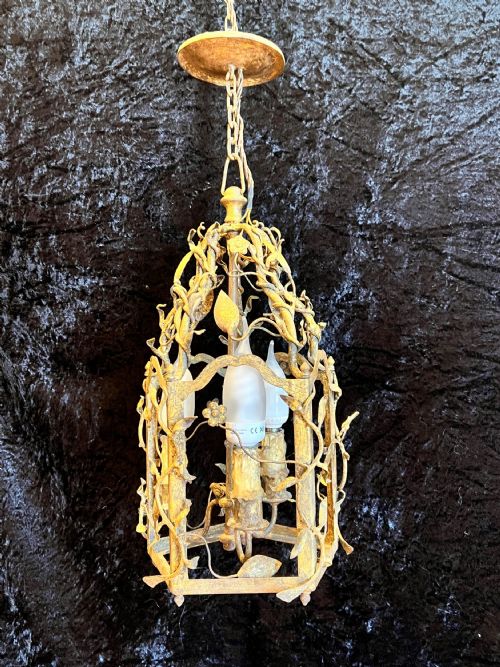


Decorative Metal Lantern
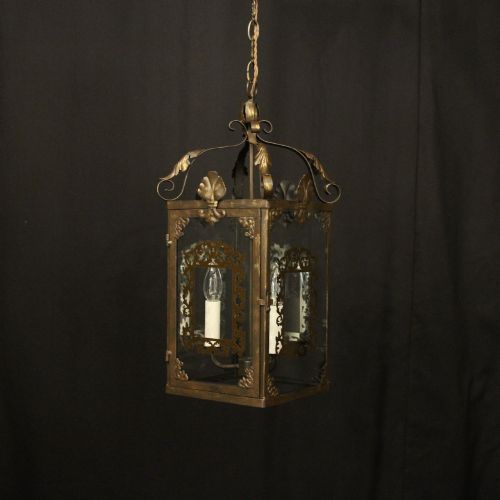
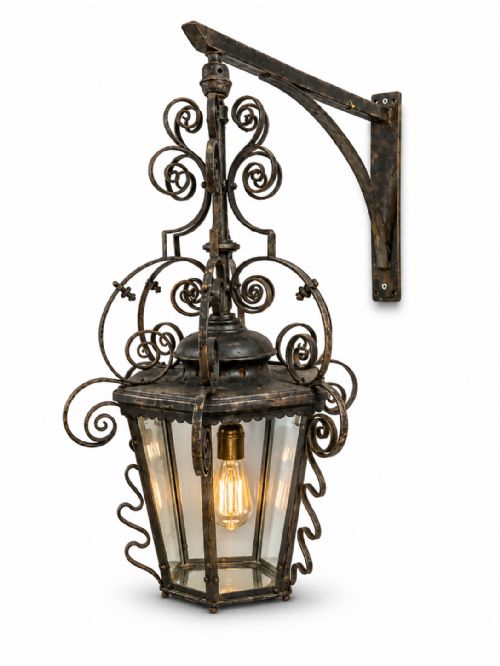
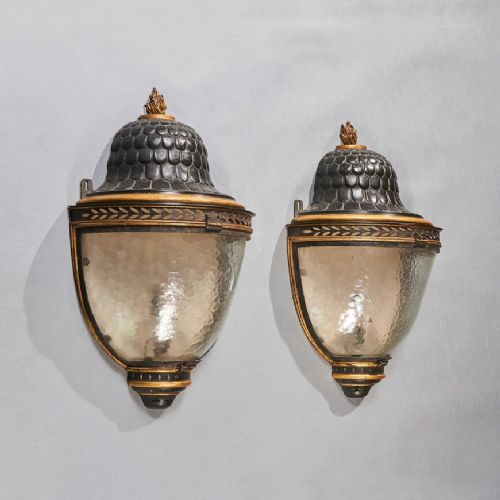
These decorative metal lantern examples bring period character and warm illumination to hallways, porches and larger rooms alike.
Decorative Metal Lantern
A decorative metal lantern provides functional illumination while serving as a strong architectural statement within an interior scheme. When you search for a decorative metal lantern, you encounter pieces intended for hanging, wall mounting or ceiling placement in entrances and reception spaces.
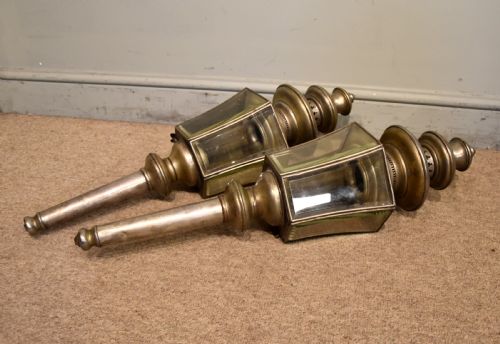
The selections span the nineteenth and early twentieth centuries, drawing on traditional forms from Victorian coaching lamps to French chateau lighting. Most examples on this page utilise durable metals paired with glass panels to protect the internal light source from draughts.
Makers drew on established historical styles, ranging from Gothic Revival to French Neoclassical and Italian Florentine aesthetics. These variations in form ensure that whether you require a hall lantern or a porch light, the objects reflect distinct historical periods.
Materials and construction
Construction relies heavily on traditional metalworking techniques, utilising wrought iron, cast iron, steel, brass and tole peinte. Blacksmiths and metalworkers shaped these materials by hand, often incorporating parcel gilt metal, ormolu or gilded brass details to enhance visual richness.
Glass panels are integrated into hexagonal or rectangular frames, sometimes secured with decorative lead or metal cames. Surface treatments include applied paint, such as green man copper finishes and black patination, which protect the underlying metal while defining the aesthetic style.
Decorative Metal Lantern Retail Price Guide 2026
Typical asking prices for decorative metal lantern among the pieces listed under this phrase on Sellingantiques today, from the lower quarter to the upper quarter. They describe what is for sale here now, not the wider market.
A green man copper lantern brings a touch of ancient woodland folklore straight into the hallway.
Distinctions in quality
Quality in a decorative metal lantern rests upon the crispness of the metalwork and the integrity of its proportions. Pieces cast or forged with finer detail, such as intricate ormolu mounts or careful blacksmith work, demonstrate superior craftsmanship.
The sophistication of the historical reference dictates the tier of the piece, with items referencing specific palace interiors holding greater design ambition. Better examples balance substantial physical weight with balanced geometric forms and secure glass housing.
The Decorative Metal Lantern Glossary
- Tole Peinte
- Painted sheet metal, frequently utilised in decorative objects and lighting fixtures from the eighteenth and nineteenth centuries. This technique allowed makers to introduce rich colour and gilded highlights.
- Ormolu
- Finely chased and gilt bronze or brass employed as a decorative mount on lighting and furniture. It provides a bright golden finish that catches the ambient light.
- Gothic Revival
- An architectural and decorative style drawing inspiration from medieval forms, featuring pointed arches and heavy ironwork. It is frequently seen in nineteenth century lanterns.
- Parcel Gilt Metal
- Metalwork that is partially covered in gold leaf or gilt, leaving portions of the base metal exposed for contrast. This technique highlights specific decorative motifs.
- Coaching Lamp
- A specialised lantern originally mounted on horse-drawn carriages to illuminate the road ahead. These functional items evolved into domestic wall lighting.
Decorative Metal Lantern: Frequently Asked Questions
Where should I hang a decorative metal lantern?
These lanterns suit high-ceilinged entrance halls, stairwells and covered porches where their architectural presence can be fully appreciated. Their primary purpose is to anchor a transitional space with strong period character.
Ensure the hanging height allows for safe clearance underneath while positioning the piece so that the light casts effectively across the surrounding walls and floor.
How do I date a metal lantern?
Dating relies on observing the combination of materials, construction methods and stylistic references present in the metalwork. Nineteenth-century examples often feature heavier hand-forged iron or detailed tole peinte, whereas early twentieth-century pieces may incorporate steel or simpler cast components.
Cross-referencing the specific design vocabulary, such as French Neoclassical or Victorian proportions, helps narrow down the decade of production.
Are these lanterns suitable for outdoor use?
Many of these pieces, such as porch lights and carriage lamps, were originally designed to withstand external conditions. However, antique wiring and aged metal surfaces require careful assessment before exposing them to harsh weather.
Consulting a qualified electrician ensures that the lantern is safely adapted and sealed for contemporary exterior installation.
How do I clean an antique metal lantern?
Dust the metal framework and glass panels gently with a dry, soft cloth to prevent the accumulation of grime. Avoid using abrasive cleaning agents or metal polishes that might strip away historic patination or damage parcel gilt surfaces.
Glass panels can be removed carefully if they require thorough cleaning, provided the framing tabs are handled with caution.