
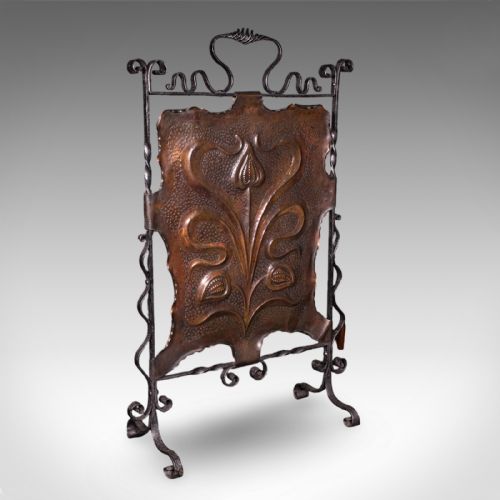
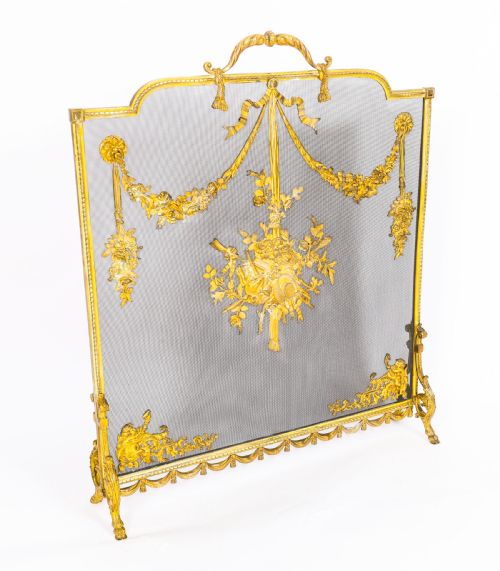
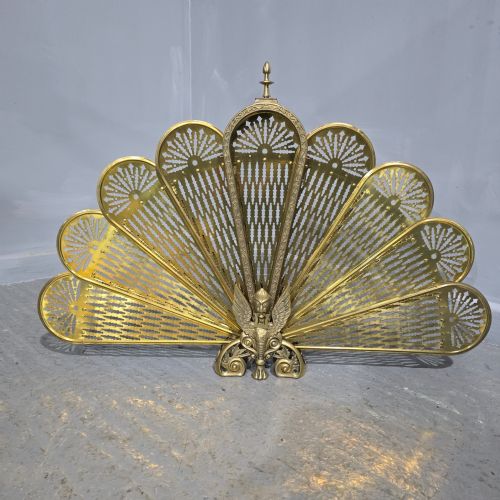


Decorative Metal Fire Screen
A decorative metal fire screen brings warmth and texture to an empty hearth while keeping stray embers at bay.
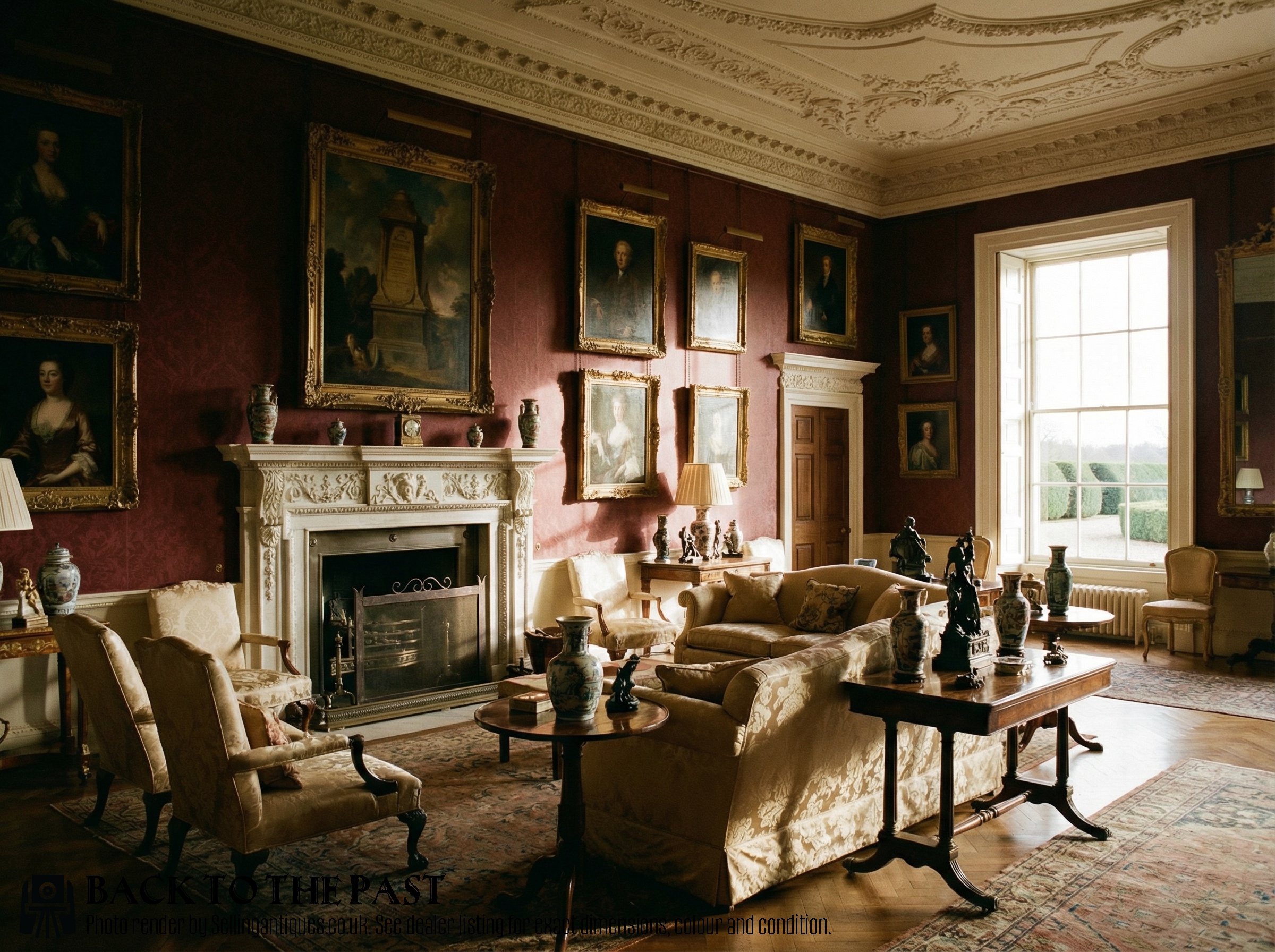
Decorative Metal Fire Screen
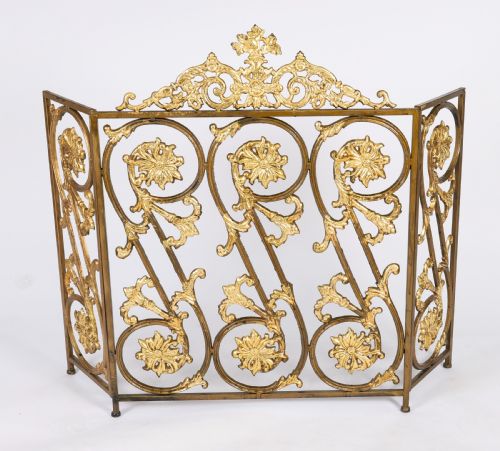
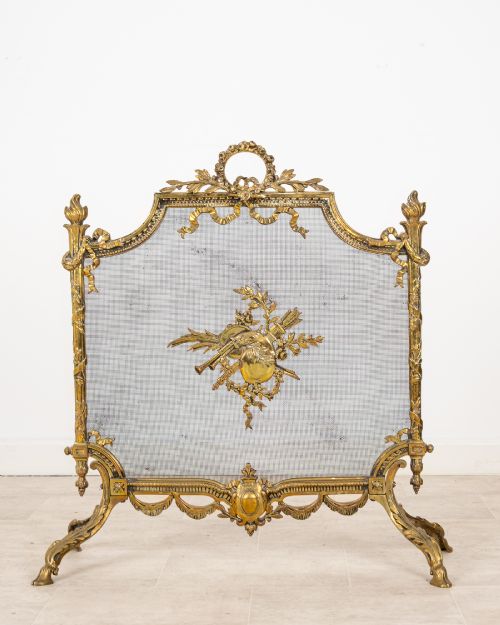
A decorative metal fire screen serves as both a practical barrier against sparks and an ornamental focal point for a fireplace. These pieces range from upright panels to folding guards designed to shield the room when the hearth is unlit.
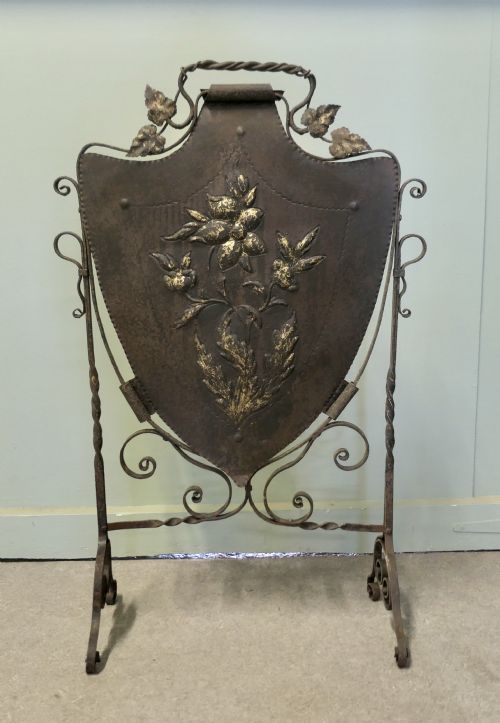
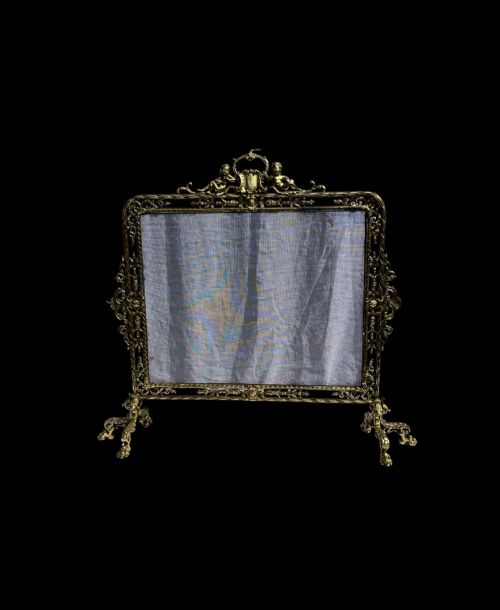
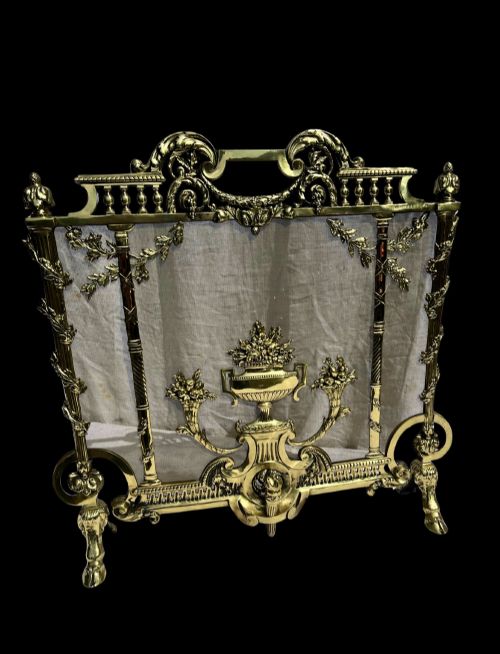
The selections available span several distinct periods, including Victorian, Edwardian, and the early twentieth century. Designs vary from simple folding iron structures to ornate French revival pieces featuring intricate cast or repoussé metalwork.
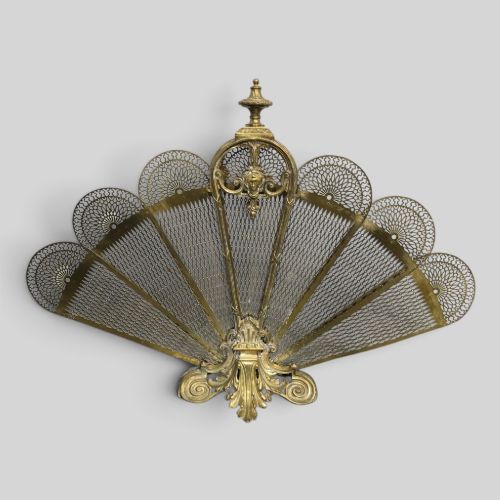
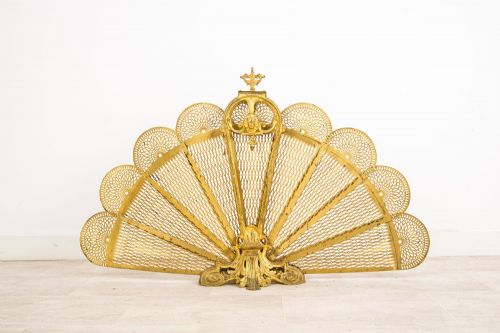
Many examples incorporate mesh panels or solid metal plates, while others utilise folding fan blades or peacock designs. Their primary purpose is to dress the fireplace opening during warmer months when fires are absent.
Assessing quality and execution
Quality rests in the crispness of the casting, the weight of the metal used in the frame, and the finesse of any applied ornamentation. Finer examples display hand-chased details on gilt bronze or brass rather than simple stamped sheet metal.
The structural integrity of hinges on folding panels and the secure attachment of mesh or glass inserts distinguish better pieces. Superior items balance substantial weight with balanced proportions and clean joints.
Listings feature works from the Victorian, Edwardian, and early twentieth-century periods, utilising brass, wrought iron, copper, and bronze.
The Decorative Metal Fire Screen Glossary
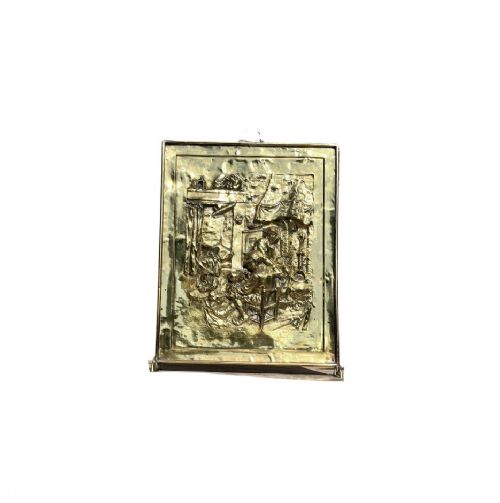
- Repoussé
- A metalworking technique where a design is hammered into relief from the reverse side. This method is common in copper and brass panels.
- Ormolu
- Gilt bronze fittings applied to decorative objects, originating in France. The finish provides a bright, gold-coloured sheen to cast brass elements.
- Spark guard
- A fine wire mesh screen designed specifically to catch flying embers from an open fire. Many decorative screens incorporate this functional barrier.
- Peacock fan
- A folding screen design where metal blades spread open like a tail. This style became popular during the Victorian period.
Decorative Metal Fire Screen: Frequently Asked Questions
How do I use a fire screen?
Place the screen directly in front of the fireplace opening when the fire is not burning to hide the grate and ash. During use, ensure mesh guards sit close enough to contain popping embers effectively.
Heavier cast brass and iron models stand independently on feet or bases. Folding versions can be adjusted in width to suit different hearth dimensions.
How do I clean brass and copper?
Dust metal surfaces regularly with a soft, dry cloth to prevent the buildup of soot and grime. Avoid harsh chemical cleaners that strip away the aged patina accumulated over decades.
For unlacquered brass or copper, mild soapy water followed by thorough drying maintains the finish. Lacquered pieces simply require gentle wiping to preserve their sealed surface.
How do I identify Victorian pieces?
Victorian examples often feature Gothic revival ironwork, heavy brass castings, or elaborate floral motifs. Look for construction methods typical of the nineteenth century, such as hand-riveted joints and heavier gauge metals.
Stylistic cues like Rococo revival scrolls and cast brass frames also point toward this era. Maker marks or stamps, when present, help confirm the period of manufacture.
Are these screens safe to use?
Most metal screens with wire mesh or solid panels function adequately as spark guards during a live fire. Ensure the metal frame remains stable and the feet sit firmly on the hearth floor.
Screens constructed primarily for decorative purposes, such as gilt bronze fan designs, suit unlit fireplaces better. Check that older hinges and joints are secure before exposing the piece to high heat.