





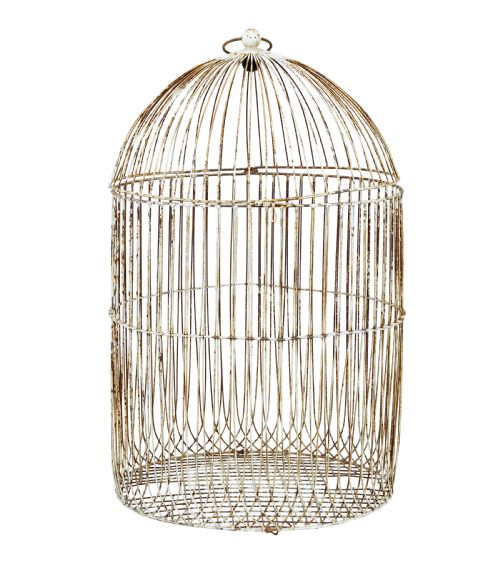


Decorative Metal Cage
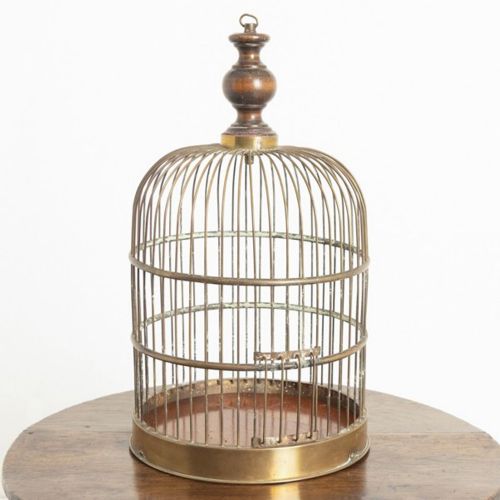
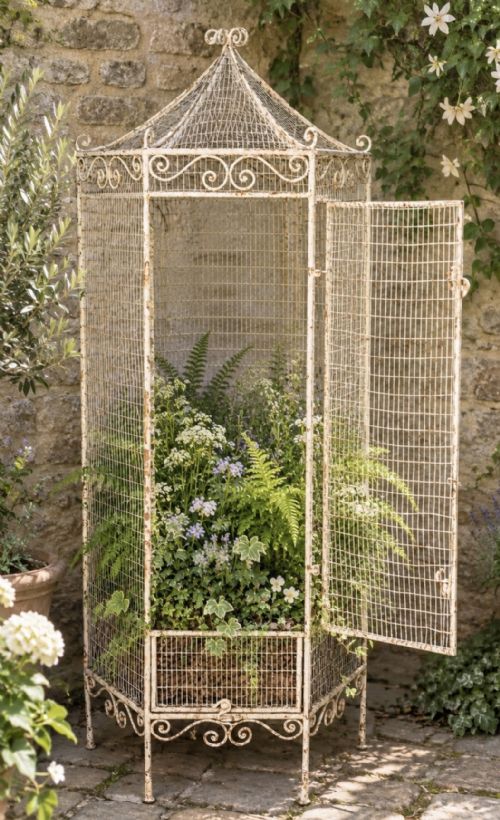
A decorative metal cage brings architectural form and texture to a room, ranging from brass aviaries to gilt lanterns.
Decorative Metal Cage
A decorative metal cage spans domestic utility and ornamental display, appearing in forms such as substantial birdcages and hanging lanterns. These pieces originate across the nineteenth and early twentieth centuries, capturing periods from Victorian ironwork to Edwardian brass.
Origin and regional style shape these selections, with French provincial and neoclassical influences appearing alongside British Victorian designs. Each object reflects historical interior tastes that favoured intricate wirework and metal framing for ornamental display.
How they were made
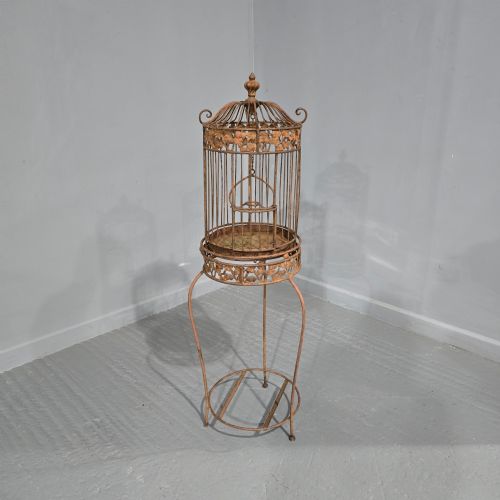
Construction relies heavily on brass, wrought iron, and copper combined with wire mesh to form structured enclosures. Artisans shaped these metals into rigid frameworks, integrating ormolu or paint finishes for decorative effect.
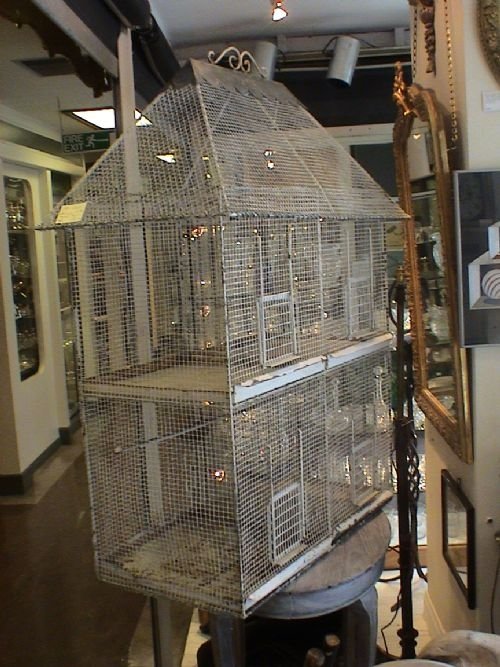
Lanterns and cages utilise specialised soldering and framing techniques to support glass or open wire configurations. Wood components occasionally appear alongside the metal structures to form bases or hanging mounts.
Decorative Metal Cage Retail Price Guide 2026
Typical asking prices for decorative metal cage among the pieces listed under this phrase on Sellingantiques today, from the lower quarter to the upper quarter. They describe what is for sale here now, not the wider market.
Materials span brass, wrought iron, copper, zinc, and ormolu, alongside timber elements.
What varies in quality
Substantial weight and material gauge distinguish superior examples from lighter production, particularly in brass and cast iron items. The precision of the wire mesh assembly and the integrity of the structural framing dictate the overall durability.
Decorative embellishments, such as ormolu mounts or patinated copper details, separate standard utility pieces from high-end ornamental commissions. Surface finish and originality of the metal patination remain central to the distinction between pieces.
The Decorative Metal Cage Glossary
- Ormolu
- Gilded bronze or brass applied as an ornamental mount or decorative feature. This technique gives metallic elements a rich, golden surface sheen.
- Wrought iron
- Iron that has been heated and shaped by hand tools or blacksmithing techniques. It yields strong, fibrous structural components with visible forge marks.
- Wire mesh
- A barrier constructed from woven or welded metal strands. It forms the protective enclosure walls on cages and aviaries.
- Chateau style
- A design aesthetic drawing from French country architecture and aristocratic rural residences. It incorporates weathered zinc and rustic metallic elements.
- Hexagonal
- A geometric shape possessing six sides and six angles. This plan appears frequently in the construction of hanging lanterns and specialised cages.
Decorative Metal Cage: Frequently Asked Questions
How were decorative metal cages used?
These pieces served primarily as ornamental aviaries for exotic birds or as interior hanging lanterns in grand rooms. Their architectural presence made them focal points in nineteenth-century domestic settings.
Over time, their function shifted from housing pets to purely decorative display within country houses and urban salons. Today they are utilised as sculptural interior objects without livestock.
What materials are typical for these cages?
Brass and iron form the foundational structure for the majority of surviving examples on this page. Copper, zinc, and wire mesh supplement these primary metals to create varied textures and visual transparency.
Secondary materials such as wood and paint occasionally appear on bases or decorative trim. Ormolu mounts are reserved for finer neoclassical and French revival pieces.
How do I date a metal cage?
Dating relies on observing manufacturing techniques, material choices, and stylistic markers associated with specific decades. Pieces from the nineteenth century often display hand-wrought ironwork or heavy cast components, whereas early twentieth-century examples lean towards lighter brass wire construction.
Stylistic cues like Art Nouveau curves or Victorian proportions help narrow the production era. Comparing the construction methods to known period pieces confirms the approximate age.
How do I live with a decorative cage?
These objects suit placement in hallways, living rooms, or conservatories where their structural silhouette can be appreciated against a neutral wall. Hanging models require secure ceiling fixings due to the substantial weight of brass and iron frames.
Floor-standing versions on iron stands work well as standalone sculptural elements in empty corners. They integrate easily into both traditional period interiors and eclectic modern spaces.