




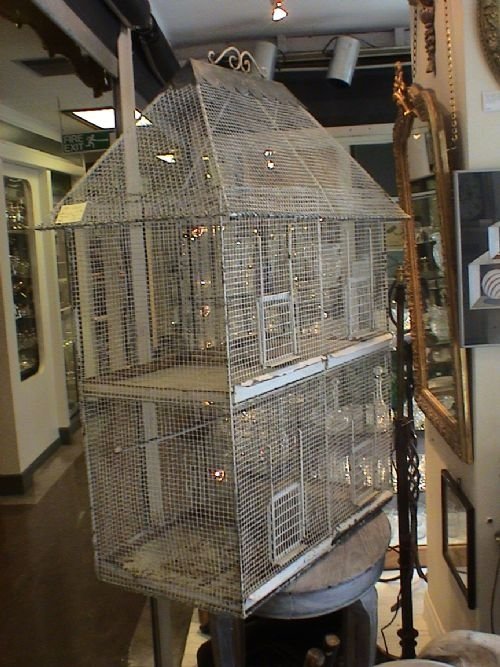
Decorative Metal Aviary
A decorative metal aviary brings architectural presence and intricate wirework into a room, offering a sculptural focal point that draws the eye immediately.
Decorative Metal Aviary
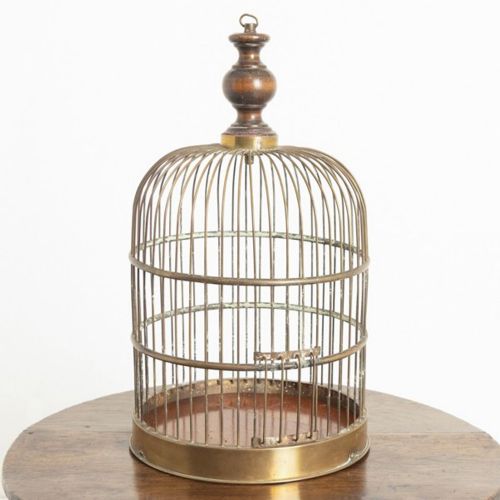
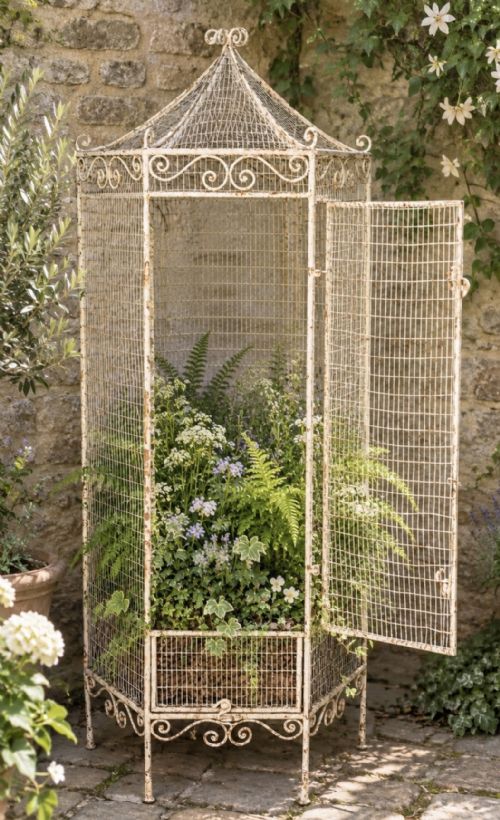
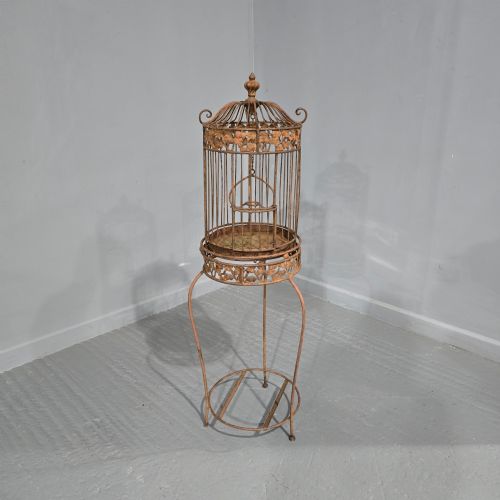
Buyers encounter various regional interpretations and stylistic influences among these listings, including French Provincial, French Chateau, Edwardian, and Victorian designs. Pieces range from hanging brass structures to large floor-standing cast iron birdcages on stands.
English Country House aesthetics and Art Nouveau curves appear alongside robust wire frame constructions and zinc forms. Each piece reflects the domestic tastes of its era, serving purely decorative functions rather than practical housing for birds.
Materials and construction methods
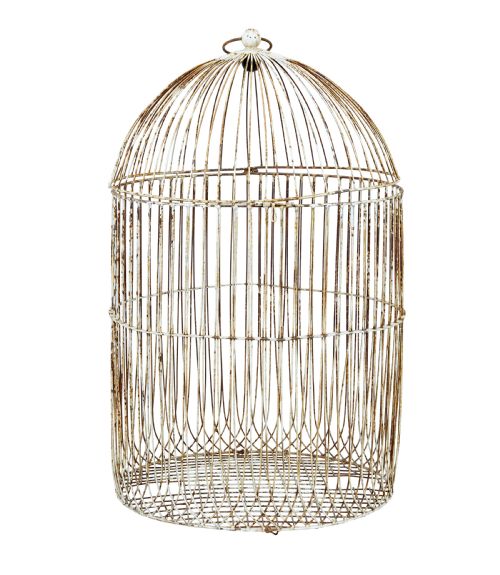
Construction relies primarily on metals such as brass, copper, iron, cast iron, and zinc, frequently combined with wire mesh to form the intricate enclosing structures. Wood elements occasionally support the metal framework, while applied paint finishes provide surface colour and protection.
Artisans manipulated wire and sheet metal to achieve curved domes, cylindrical bodies, and geometric panels, securing the components with traditional fixings. The integration of cast iron bases and stands provided stability for particularly substantial forms.
Listings feature pieces spanning the 1870s to the 1920s, constructed from brass, wrought iron, zinc, and cast iron.
Distinctions in craftsmanship and design
Quality reveals itself in the finesse of the wirework, the weight of the primary metals, and the structural integrity of the frame. Substantial brass and cast iron examples demonstrate a higher degree of material investment than lighter wire frame pieces.
The sophistication of decorative detailing separates standard cages from exceptional ones, particularly where Art Nouveau flourishes or chateau-style architectural elements are integrated. Original patination on copper, zinc, and brass surfaces adds depth that mechanical cleaning diminishes.
The Decorative Metal Aviary Glossary
- Aviary
- A large enclosure designed to house birds, which in decorative antique contexts translates to sculptural cages meant for display. These objects prioritise visual form over utility.
- Wire mesh
- A network of crossed or knotted wire forming the barrier panels of the cage. Fine meshwork defines the better examples from this period.
- Art Nouveau
- A stylistic movement characterised by organic, flowing lines and plant-inspired motifs. This style appears on hanging brass pieces from the turn of the twentieth century.
- Cast iron
- Iron poured into a mould to create complex shapes and sturdy bases. This heavy material provides stability for floor-standing birdcages.
Decorative Metal Aviary: Frequently Asked Questions
How were antique birdcages used?
These metal cages functioned primarily as decorative interior furnishings within country houses, chateaus, and town residences. They brought a sense of the outdoors inside and displayed exotic birds or simply acted as sculptural ornaments.
Today, collectors use them to add vertical interest, texture, and historical character to living spaces without keeping live birds inside them.
How do I date an antique aviary?
Dating relies on identifying the materials, construction techniques, and stylistic markers present in the piece. Victorian examples often utilise heavy cast iron, while Art Nouveau pieces display characteristic curving brass wirework.
Twentieth-century versions shift towards simpler Edwardian forms or specific regional styles like French Provincial. Comparing the patination and assembly methods helps confirm the era of manufacture.
Are these cages suitable for live birds?
Antique decorative cages are intended strictly as ornamental objects rather than functional habitats for modern pets. The materials, fastenings, and historic finishes are not suited to contemporary animal husbandry standards.
Displaying them empty allows the intricate wirework and aged metal surfaces to be appreciated purely as sculpture.