

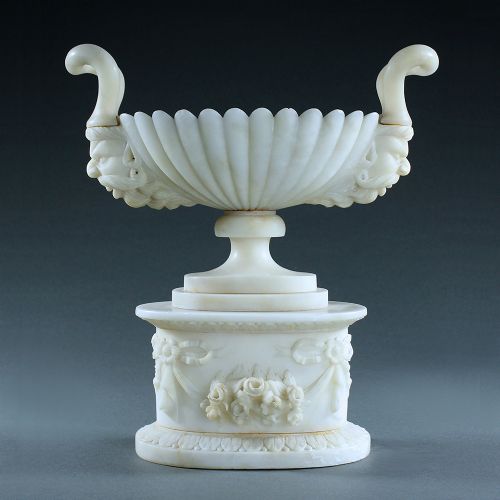
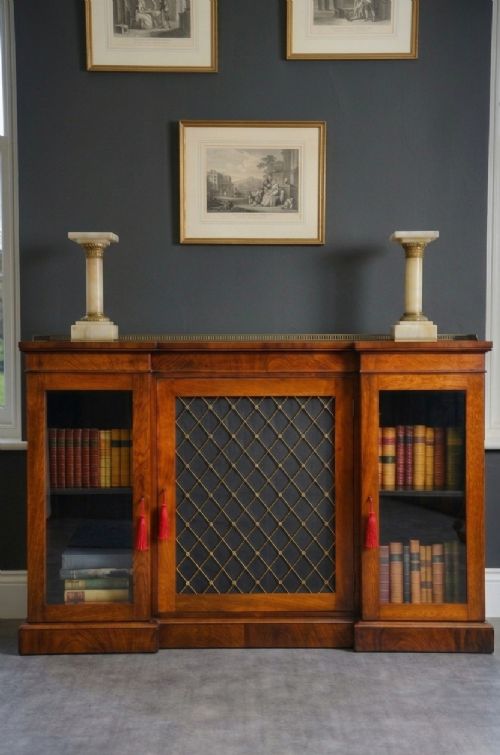
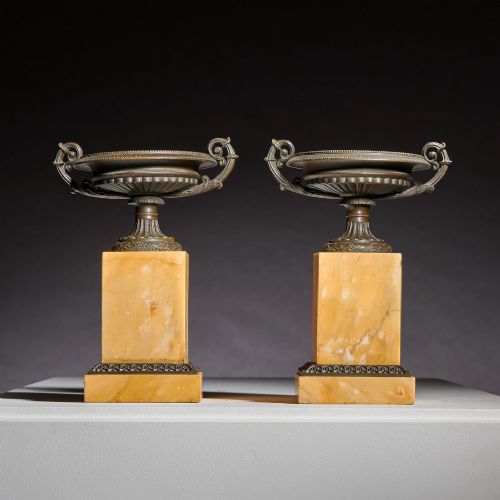
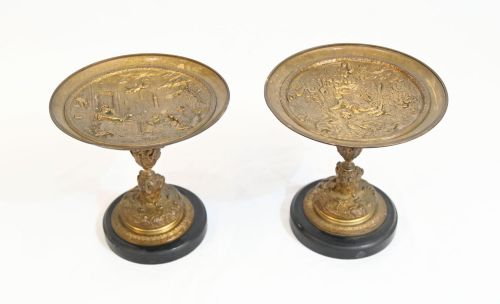


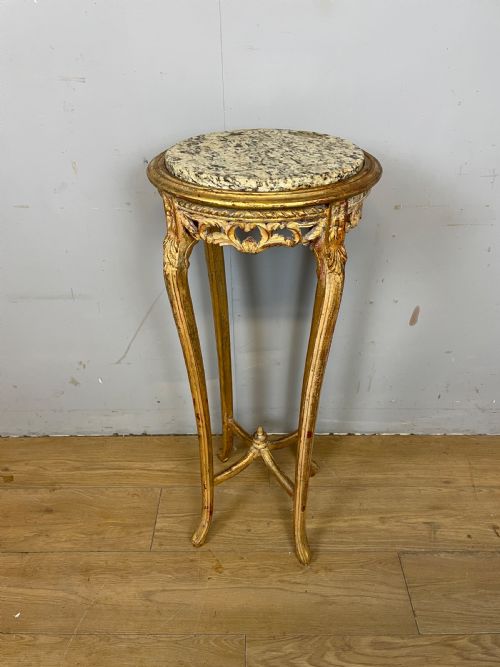
Decorative Marble Pedestals
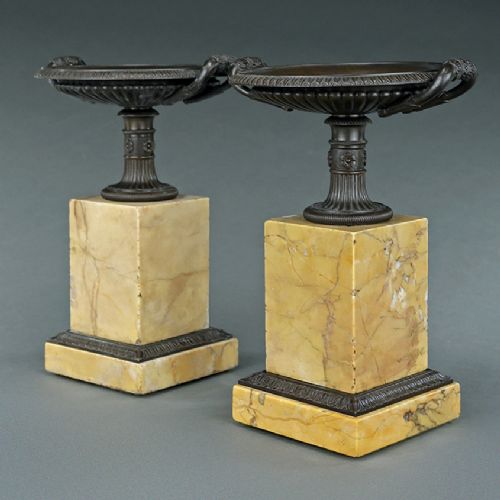
These decorative marble pedestals elevate sculpture and urns, bringing classical weight and proportion to an interior space.
Decorative Marble Pedestals
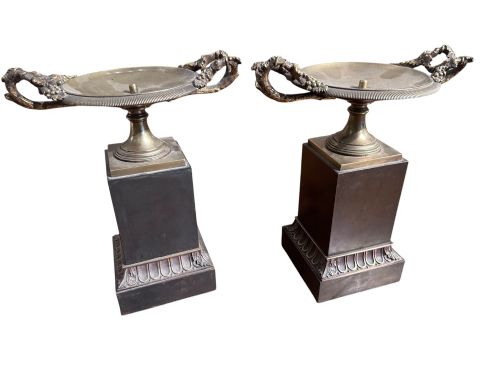
Decorative marble pedestals elevate display pieces like tazzas, urns and busts within a room. When exploring this selection, a buyer encounters pieces from the nineteenth century onward, alongside related forms such as torcheres, plant stands and columns.
The offerings span Victorian, Edwardian and French periods, reflecting Neoclassical, Empire and Louis XVI Revival aesthetics. Many examples originate from French workshops or Italian makers crafting grand tour souvenirs.
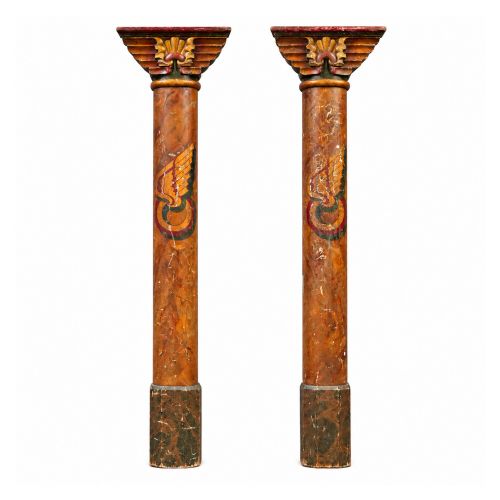
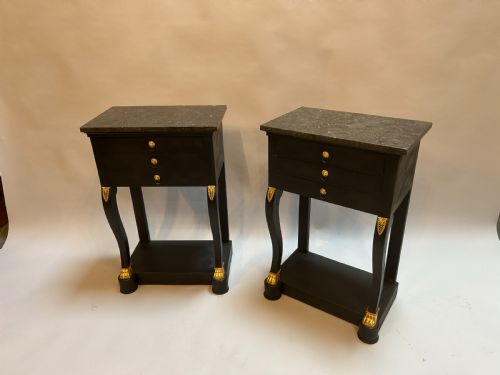
Forms range from monolithic stone columns to carved timber columns with faux marble finishes, alongside circular tables and bedside pieces incorporating stone tops.
Materials and construction
Makers utilised natural stones including Siena, Verde Antico, Carrara and onyx, often pairing solid marble shafts with cast bronze, ormolu, brass and giltwood mounts. Timber structures received painted treatments to imitate stone, while scagliola provided an alternative composite surface.
Foundry casting created crisp bronze and ormolu details such as scroll bases, foliate collars and classical handles. Stonemasons turned and carved columns on lathes or by hand, polishing the stone to reveal natural grain and colour.
Decorative Marble Pedestals Retail Price Guide 2026
Typical asking prices for decorative marble pedestals among the pieces listed under this phrase on Sellingantiques today, from the lower quarter to the upper quarter. They describe what is for sale here now, not the wider market.
Among the architectural columns, unexpected survivors from early twentieth-century fairgrounds and theatrical sets appear alongside grand tour marbles.
The markers of quality
Quality rests upon the choice of mineral and the crispness of execution. Finer examples display richly figured natural marble varieties matched with meticulously chased bronze or ormolu mounts rather than simple painted timber.
The weight of the stone, the depth of hand-carved relief on capitals and bases, and the integration of classical proportions distinguish exceptional French and Italian work from simpler domestic productions.
The Decorative Marble Pedestals Glossary
- Ormolu
- Gilt bronze produced by applying a mercury and gold amalgam to cast bronze. This technique creates a durable golden finish seen on French neoclassical mounts.
- Torchere
- A tall stand designed to support a light, plant or decorative urn. They appear in carved giltwood and marble configurations.
- Scagliola
- A composite material made from selenite, glue and pigments, mimicking natural marble. Artisans inlay and polish this paste to create decorative columns and urns.
- Grand Tour
- A cultural journey undertaken by wealthy Europeans that popularised souvenir bronzes and marble antiquities. These objects formed the core of many nineteenth-century collections.
Decorative Marble Pedestals: Frequently Asked Questions
What were decorative marble pedestals used for?
These pieces served as display supports for sculptures, bronze tazzas, urns and large vases within formal rooms and libraries.
They raised display items to eye level, allowing visitors to inspect fine details on classical bronzes and carved vessels.
How do I identify French Empire pedestals?
French Empire pieces rely on strict symmetry, militaristic motifs, and heavy ormolu mounts applied to dark marble or timber.
Look for cast bronze elements depicting laurel wreaths, sphinxes, classical figures and bold geometric proportions typical of nineteenth-century revivalism.
Where were these marble columns made?
The evidence points primarily to French and Italian workshops producing items for the domestic and export markets during the nineteenth century.
Italian makers specialised in carved Carrara and Verde Antico marble torcheres, while French makers favoured ormolu-mounted columns and tazzas.
How do I care for antique marble?
Dust surfaces regularly with a soft, dry cloth and avoid acidic cleaners that etch polished stone.
Protect the top from moisture and heavy impacts, as antique stone and applied ormolu mounts require gentle handling.