

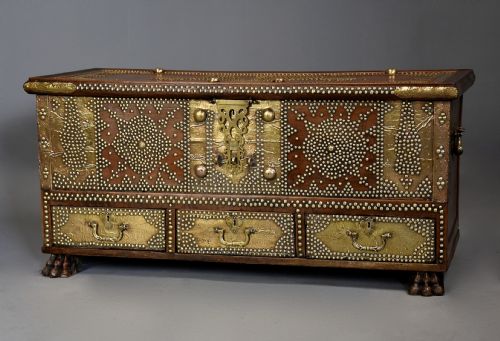


Decorative Mahogany Box
A decorative mahogany box brings both warmth and utility into a room, offering a tactile way to store small treasures while displaying fine period timber.
Decorative Mahogany Box
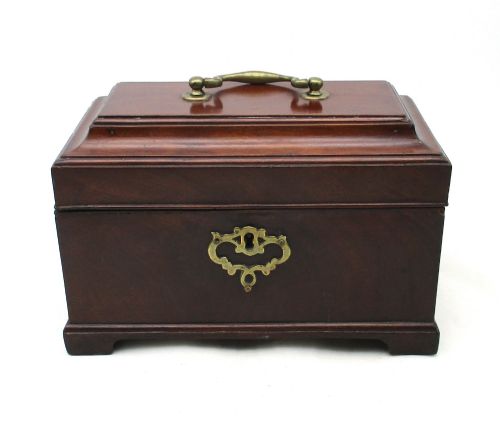
A decorative mahogany box is a small storage vessel fashioned from rich tropical timber, frequently encountered in forms such as tea caddies, writing slopes, and jewellery boxes from the Georgian and Victorian eras.
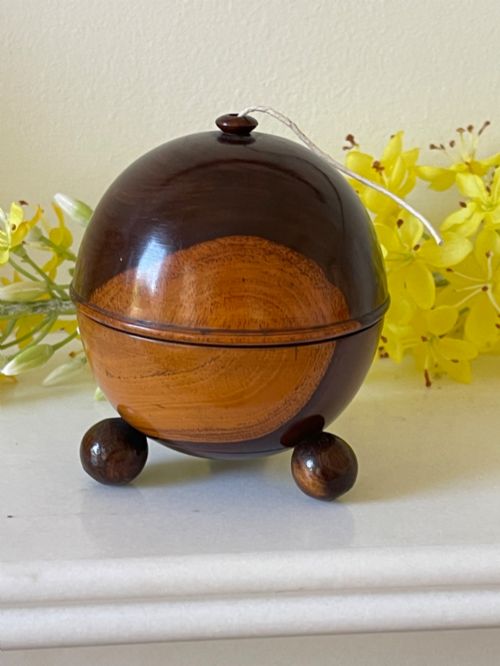
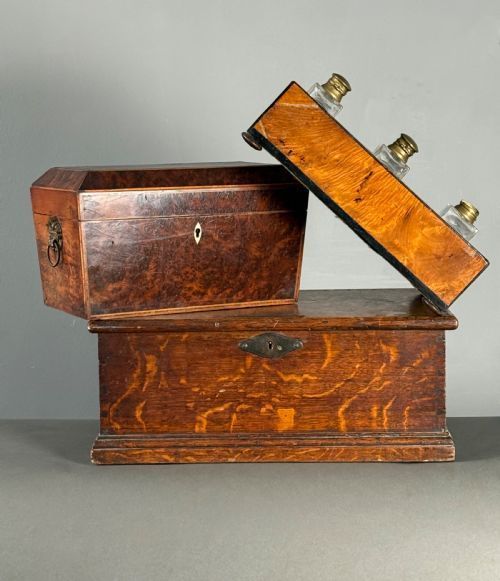
Buyers seeking a decorative mahogany box will find pieces ranging from simple tea caddies to elaborate inlaid chests and specialised items like string boxes or technical drawing sets.
The selections span the eighteenth, nineteenth, and early twentieth centuries, reflecting changing domestic habits from formal tea storage to desk organisation.
How they were made
Cabinet makers constructed the primary carcass using solid mahogany or applied fine veneers over secondary timbers, often selecting boards with rich grain patterns.
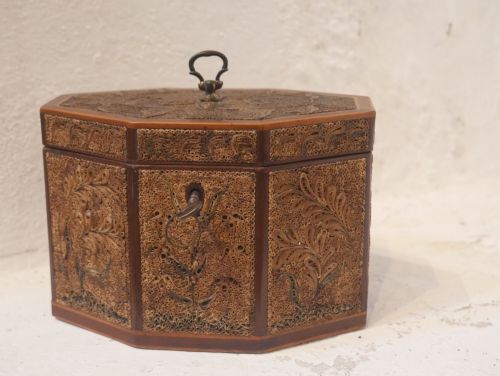
Decorative surfaces frequently incorporate contrasting elements such as boxwood, satinwood, amboyna, or mother-of-pearl inlay, alongside hand-cast brass handles, escutcheons, and studwork.
Decorative Mahogany Box Retail Price Guide 2026
Typical asking prices for decorative mahogany box among the pieces listed under this phrase on Sellingantiques today, from the lower quarter to the upper quarter. They describe what is for sale here now, not the wider market.
Forms range from Georgian tea caddies and Victorian writing slopes to Edwardian coal boxes and spherical string boxes.
What varies in quality
Quality rests in the crispness of the cabinet work, the precision of the wood inlay, and the retention of original interior fittings like tea canisters or writing slopes.
Pieces that retain their working locks, original brass hardware, and well-preserved secondary woods represent a higher tier of craftsmanship than altered or heavily restored examples.
The Decorative Mahogany Box Glossary
- Mahogany
- A durable tropical hardwood known for its deep reddish-brown colour and stability in cabinet making. It forms the primary body for most boxes on this page.
- Tea Caddy
- A small lidded container originally designed to store dry tea leaves securely under lock and key. Many surviving examples feature internal compartments for different tea varieties.
- Inlay
- A decorative technique where contrasting materials such as satinwood, boxwood, or bone are inserted into flush cavities in the wood surface. This creates geometric or pictorial patterns.
- Writing Slope
- A portable desk featuring a slanted hinged lid that opens to reveal a writing surface, inkwells, and storage compartments. They were widely used for correspondence during the nineteenth century.
- Escutcheon
- A flat plate of brass or bone surrounding a keyhole. It serves a dual purpose of protecting the surrounding wood from wear and enhancing the visual design.
Decorative Mahogany Box: Frequently Asked Questions
What were tea caddies used for?
Tea caddies served to store valuable tea leaves safely away from dampness and theft when tea was an expensive commodity.
They often included internal lidded compartments and sometimes integrated locks to restrict household access.
How do I date a mahogany box?
Dating relies on observing construction methods, secondary timbers, hardware styles, and the specific type of decoration employed.
Georgian pieces tend to show simpler classical proportions and fine cockbeading, while Victorian examples often feature bolder veneers and machine-made screws or hinges.
Are these boxes suitable for daily use?
Most of these boxes function well for storing modern items like jewellery, letters, or small keepsakes on a desk or dressing table.
Care should be taken to keep them away from direct sunlight and excessive humidity to protect the antique polish and veneer.
What is the difference between a tea caddy and a writing box?
A tea caddy focuses on internal storage canisters or open wells specifically proportioned for tea leaves.
A writing box opens to form an angled slope designed to support paper while writing letters.