



Decorative Lighting Fixtures
These decorative lighting fixtures span centuries of craftsmanship, bringing warmth, elegance and character to any interior.
Decorative Lighting Fixtures
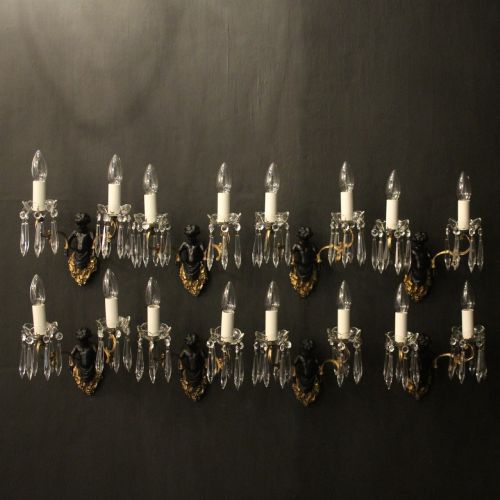
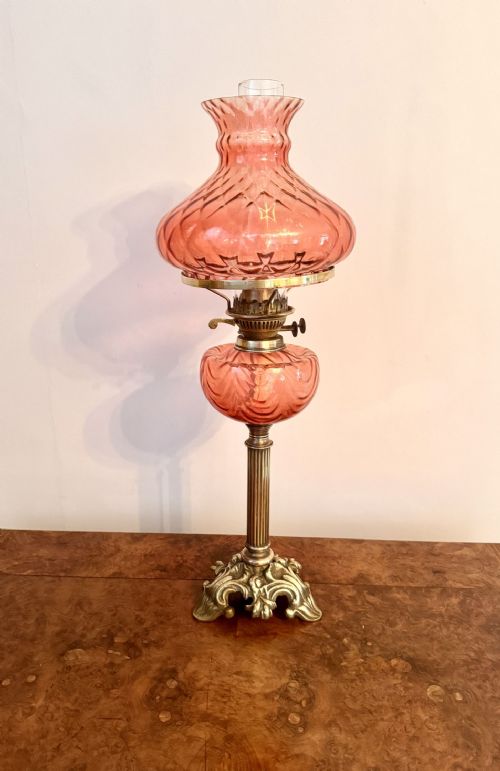
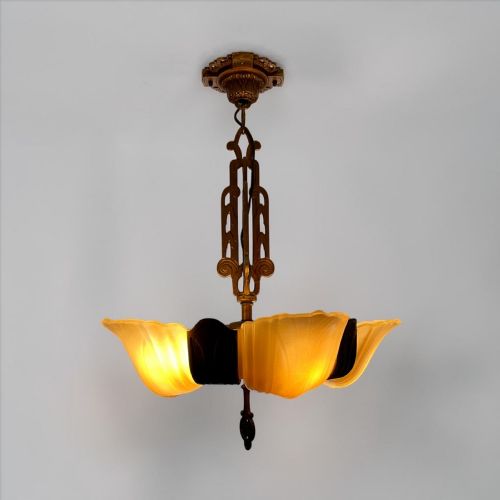
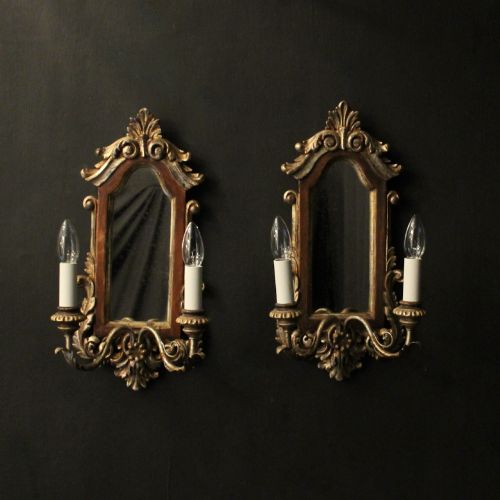
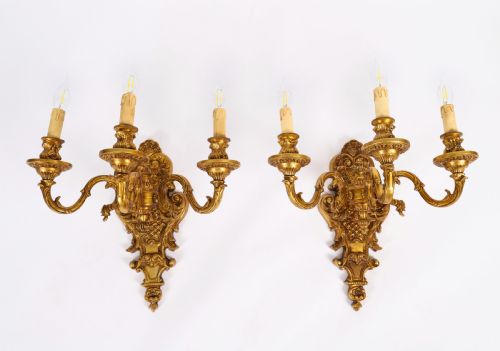
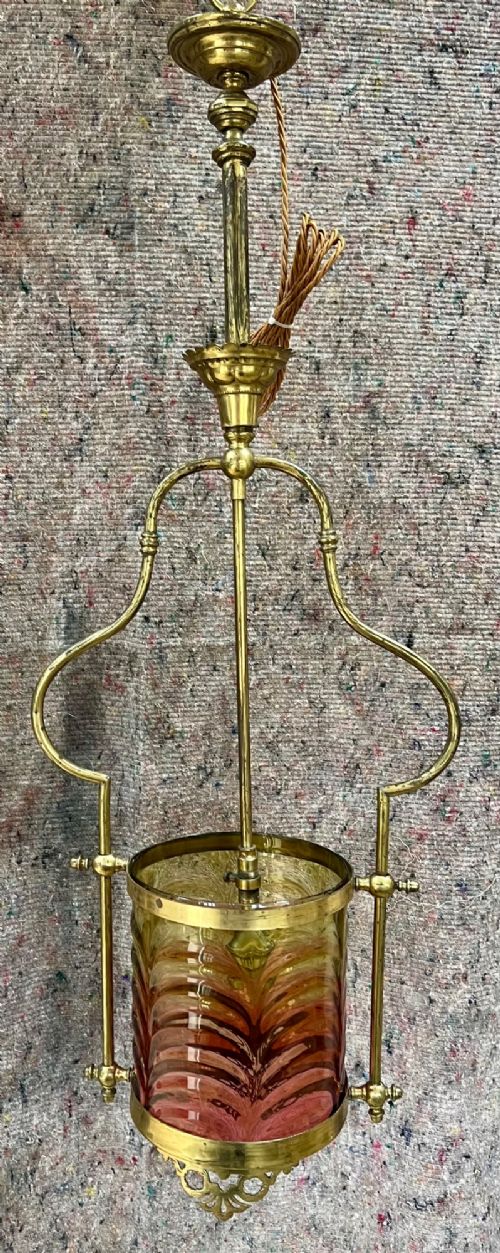
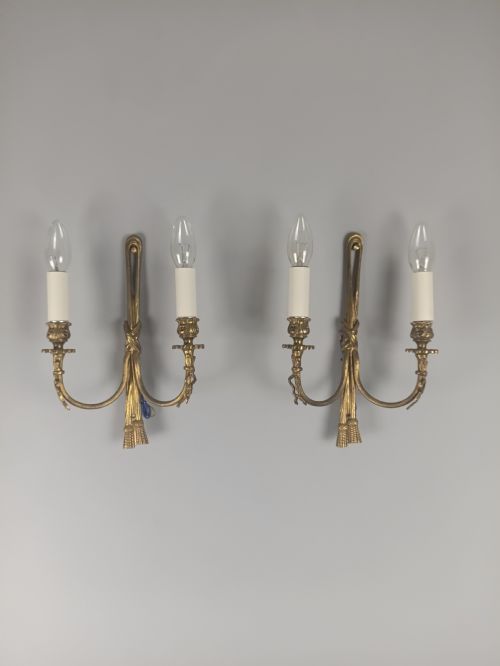
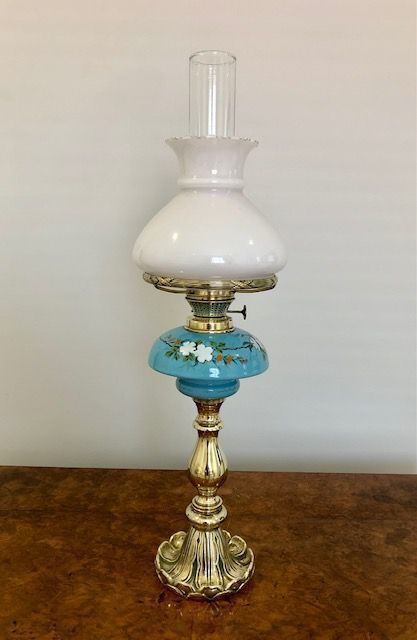
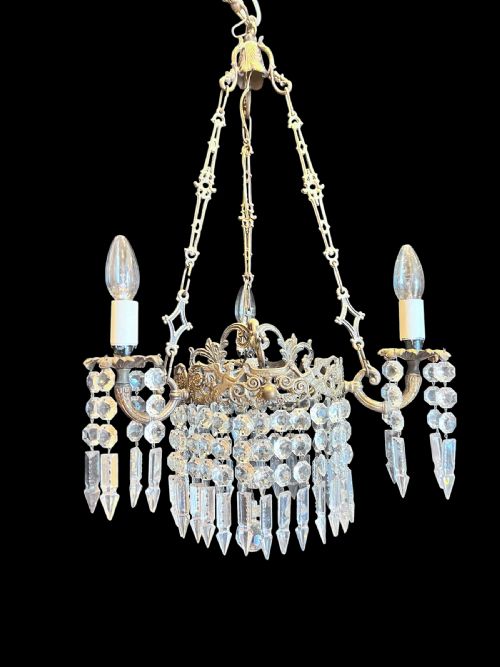
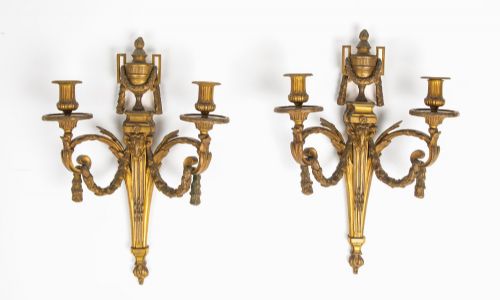
Decorative lighting fixtures encompass a wide array of illumination forms designed to enhance domestic interiors through both light and form. When searching for decorative lighting fixtures, buyers encounter diverse functional objects including chandeliers, ceiling lights, wall lights, table lamps, oil lamps, wall sconces and pendant lights. The examples on this page reflect origins and periods stretching from the Victorian and Edwardian eras into the early twentieth century.
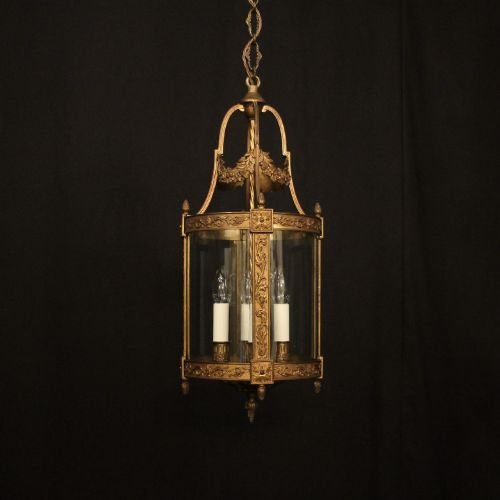
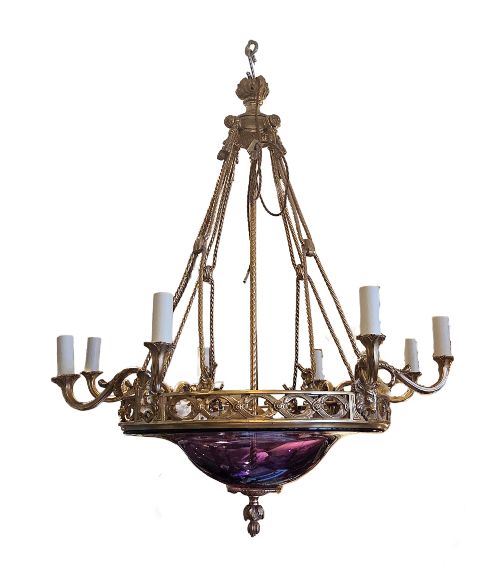
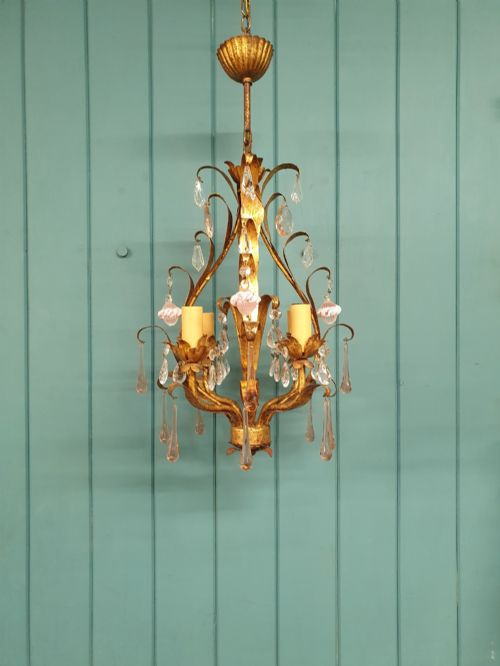
The selection ranges from large multi-branch chandeliers and hall lanterns to delicate bedside table lamps and wall appliques. Common configurations include brass and glass hanging lights, gilt bronze wall sconces, and iron chandeliers hung with crystal fruits. These pieces bridge the gap between functional utility and ornamental sculpture, transforming simple illumination into a focal point for a room.
How they were made
Construction relies heavily upon traditional metalworking and glassblowing techniques employed across the nineteenth and early twentieth centuries. Makers utilised brass, bronze, copper, iron and gilt metal to form structural frameworks, sconces and lanterns, often combining these metals with hand-blown or cut crystal glass elements. Components such as arms, mounts and decorative masks required skilled casting, chasing and gilt finishing.
Glass elements range from plain hand-blown bell jars to intricate leaded stained glass panels and moulded slip shades. Iron structures frequently show blacksmith-made characteristics with forged scrollwork, whilst giltwood and polychrome toleware provide alternative surface treatments that demonstrate varied regional manufacturing traditions.
Decorative Lighting Fixtures Retail Price Guide 2026
Typical asking prices for decorative lighting fixtures among the pieces listed under this phrase on Sellingantiques today, from the lower quarter to the upper quarter. They describe what is for sale here now, not the wider market.
Materials documented across the inventory include brass, bronze, gilt metal, wrought iron, copper, crystal and stained glass.
What varies in quality
Quality in these fixtures is determined by the crispness of the casting, the purity and weight of the glass or crystal, and the integrity of the original surface finish. Finer examples display deeply chased gilt bronze details, hand-cut crystal drops with sharp facets, and substantial gauge metals that maintain structural rigidity without excessive weight.
Artisanal touches differentiate standard production items from exceptional commissions. Pieces featuring hand-blown coloured glass fruits, signed figural bronze work, or intricate blacksmith-made iron frames show superior hand-craftsmanship and artistic intent compared to mass-produced alternatives.
Liberty·Henri Honore Ple
The Decorative Lighting Fixtures Glossary
- Girandole
- A branched wall-bracket for candles or lights, often incorporating a mirror to reflect illumination. These fixtures frequently feature giltwood or metal construction.
- Ormolu
- Gilt bronze mounted furnishings and decorative objects created by applying a gold-mercury amalgam to a bronze base. This technique produces a rich, durable golden surface.
- Toleware
- Enamelled and painted sheet metalware originating in France. Items utilise this technique to display colourful, decorative painted surfaces on light fittings and shades.
- Sconce
- A wall-mounted lighting fixture designed to hold candles or electric lamps. They project outwards from vertical surfaces and often feature reflective backplates.
Decorative Lighting Fixtures: Frequently Asked Questions
What periods do these fixtures represent?
The lighting fixtures span the Victorian, Edwardian, Art Nouveau and Art Deco periods, encompassing designs from the nineteenth century through the early twentieth century. Makers of these eras drew upon various historic revival styles alongside contemporary artistic movements.
Buyers will find items reflecting French chateau elegance, Gothic revival severity and Florentine gilded opulence. Each period imparts distinct material choices and decorative motifs upon the finished fixture.
How do I choose the right ceiling light?
Selecting a ceiling light requires consideration of ceiling height, room dimensions and the intended function of the space. Large multi-branch chandeliers and open-cage designs suit substantial rooms, whilst compact pendants and lanterns fit porches or hallways.
Material composition also guides selection, allowing brass, wrought iron or crystal fixtures to complement existing interior hardware and furnishings.
Were these lights converted from oil to electricity?
Many antique oil lamps and early hanging fixtures have been adapted to accept modern electrical fittings over time. Conversions allow these decorative items to function safely within contemporary homes whilst retaining their original aesthetic appeal.
Certain pieces retain their original burner assemblies or glass shades, providing evidence of their initial domestic utility before electrification became standard.
How do I care for antique glass and metal?
Maintenance involves gentle cleaning using dry or barely damp cloths suitable for delicate surfaces like gilt bronze, crystal drops and painted toleware. Avoiding harsh chemical cleaners preserves the integrity of patinas, gilding and applied finishes.
Regular dusting prevents grime accumulation on intricate glass cuttings and metal scrollwork, ensuring the reflective qualities of the materials remain undiminished.