

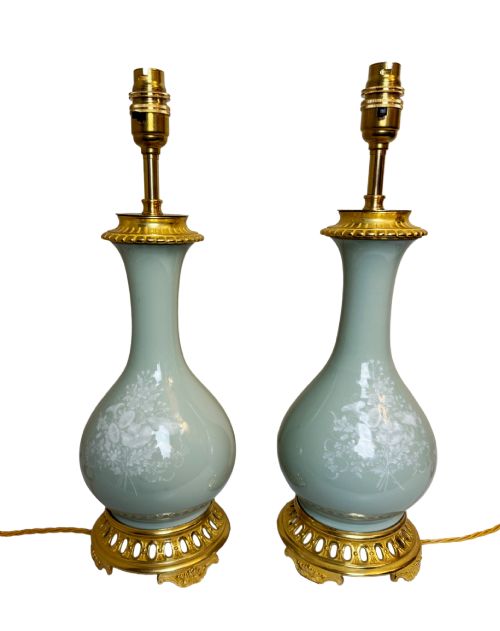
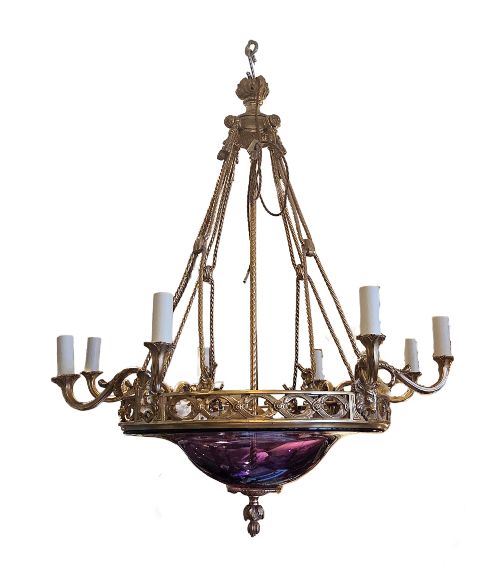
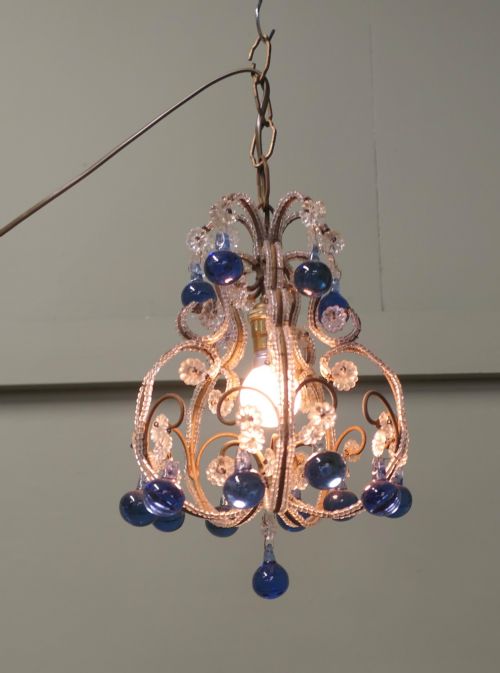
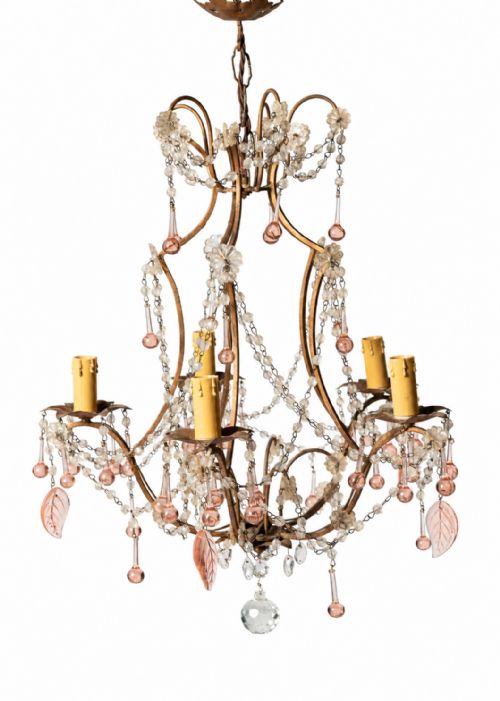



Decorative Light Fitting
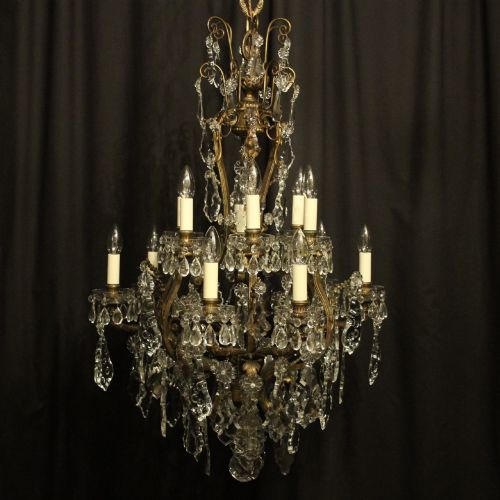
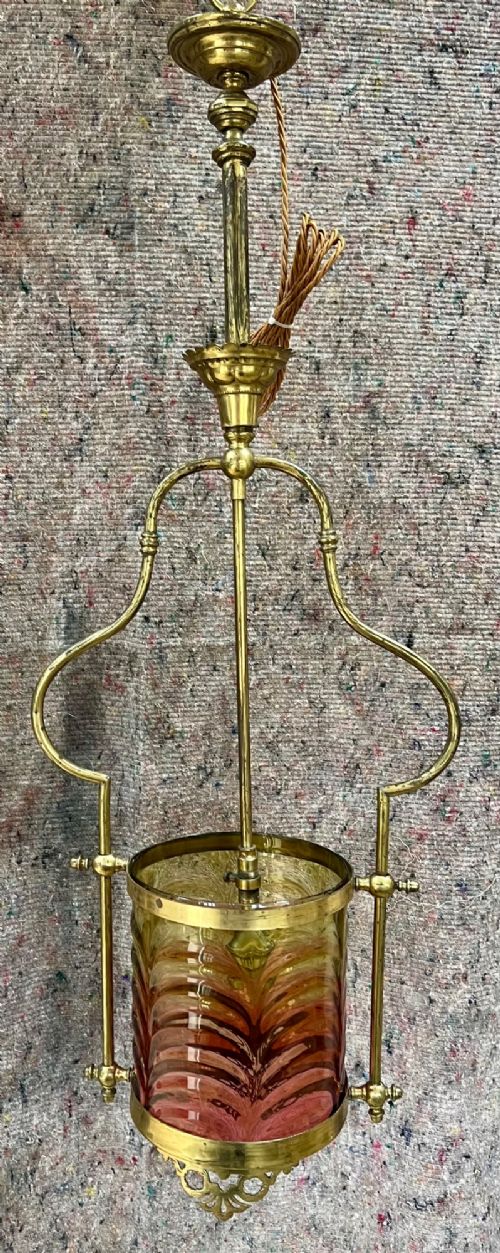
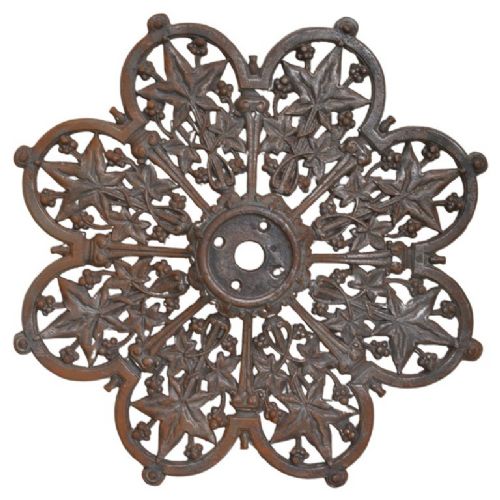
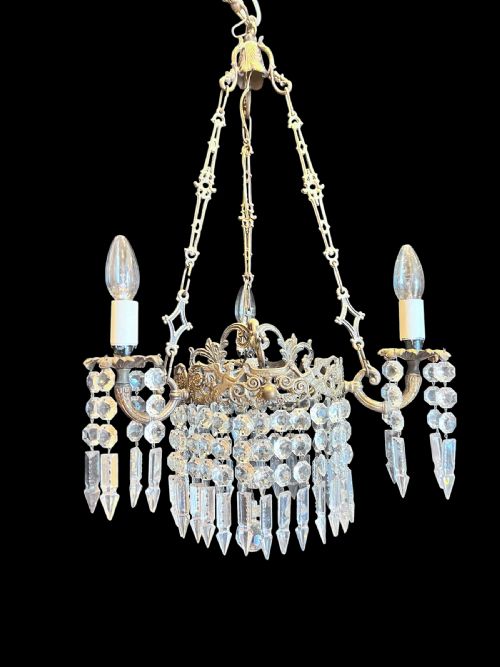
These decorative light fitting examples range from French gilt metal chandeliers to brass ceiling roses, bringing period illumination and character to a room.
Decorative Light Fitting
A decorative light fitting transforms the illumination of a space through varied forms such as chandeliers, pendant lights, wall lights, and floor lamps. When searching for a decorative light fitting, buyers encounter diverse historic designs originating from the nineteenth century through the 1930s.
Originating largely from French and Italian workshops alongside domestic Victorian production, these fixtures bring distinct regional character to interiors. Buyers are most likely to meet brass and gilt metal chandeliers adorned with cut glass or crystal elements across these periods.
Materials and construction
Metalwork forms the structural backbone of these pieces, utilising cast brass, bronze, gilt metal, iron, and chrome. Artisans shaped these metals into detailed frames, branch arms, and ornate ceiling roses.
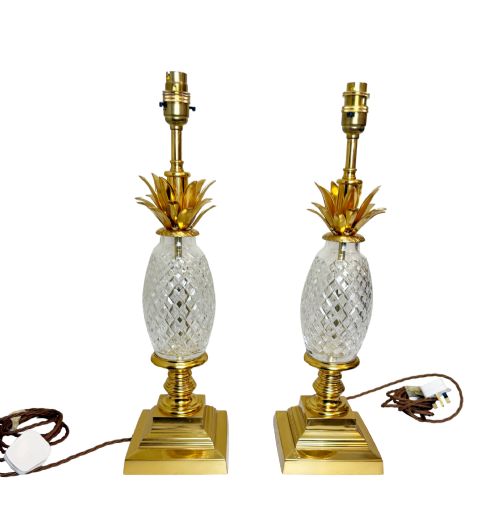
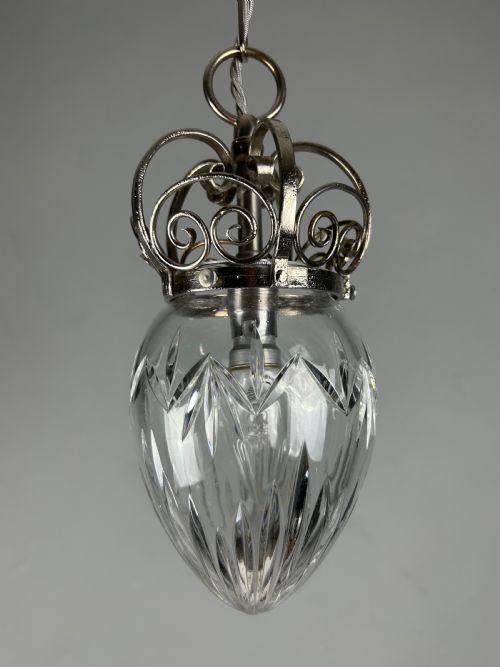
Glass and crystal components, including cut glass drops, beads, swags, and moulded fruit shapes, are integrated to catch and reflect light. These transparent elements are wired or pinned directly to the metal frames.
Surface finishes such as silver gilding, polychrome toleware, and applied patinas complete the exterior appearance of the fittings. Construction methods vary from heavy cast iron elements to delicate pierced brass framing.
Decorative Light Fitting Retail Price Guide 2026
Typical asking prices for decorative light fitting among the pieces listed under this phrase on Sellingantiques today, from the lower quarter to the upper quarter. They describe what is for sale here now, not the wider market.
The listings show metalwork dominating construction, with brass, gilt metal, and bronze appearing alongside cut glass and crystal components across multiple historic periods.
Assessing quality and execution
Quality rests in the crispness of the metal casting and the depth of the chasing, where sharper leaf and scroll details distinguish finer work from simpler production. The weight and substance of the brass, bronze, or gilt metal frame signal superior manufacturing.
The integration of the glass and crystal elements dictates visual refinement, with hand-cut drops and high-clarity crystal displaying superior light refraction compared to moulded glass. Secure wiring channels and robust structural joints ensure the piece supports its weight safely.
The Decorative Light Fitting Glossary
- Chandelier
- A branched ornamental light fixture suspended from the ceiling. These fixtures often hold multiple candle arms or electric bulbs.
- Ceiling rose
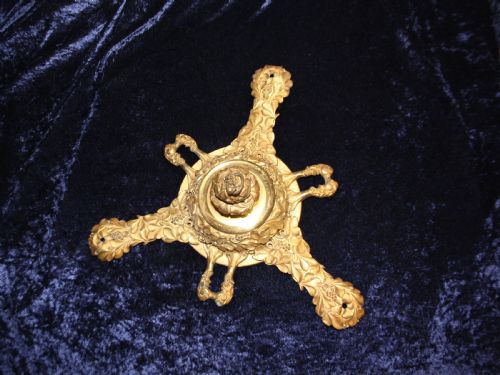
- An ornamental plaster or cast metal disc affixed to the ceiling from which a light fitting is hung. They frequently feature botanical motifs like ivy leaves.
- Toleware
- Painted or lacquered sheet metal items popular in decorative domestic objects. This technique provides a colourful surface finish.
- Candelabra
- A branched candlestick holder adapted or built for multiple light sources. They appear in floor, table, and wall-mounted formats.
- Cut crystal
- Glass cut with facets to increase brilliance and light reflection. It is heavily utilised in drops and swags on hanging lights.
Decorative Light Fitting: Frequently Asked Questions
How do I hang a heavy antique chandelier?
Hanging a heavy metal and crystal fixture requires securing the weight directly to ceiling joists rather than plaster alone. A professional electrician should assess the ceiling structure and install an appropriate load-bearing hook.
Once the mechanical support is secured, the electrical connections can be safely made. Many period fittings require modern rewiring to meet contemporary safety standards.
Can I use modern bulbs in these fittings?
Most antique light fittings accept standard modern bulbs provided the Edison screw or bayonet fitting matches the sockets. Low-wattage LED alternatives are recommended to prevent excess heat buildup near vintage glass and metal components.
Consulting an electrician ensures the internal wiring safely accommodates current bulb specifications. This preserves the fixture while allowing everyday domestic use.
How do I clean crystal drops safely?
Cleaning crystal drops involves wiping them individually with a mild soapy solution while they remain attached to the frame. Alternatively, drops can be carefully unclipped and washed by hand in lukewarm water.
Strong chemical cleaners should be avoided to protect the surrounding metal gilding and patination. Drying each piece thoroughly restores its original sparkle before rehanging.