


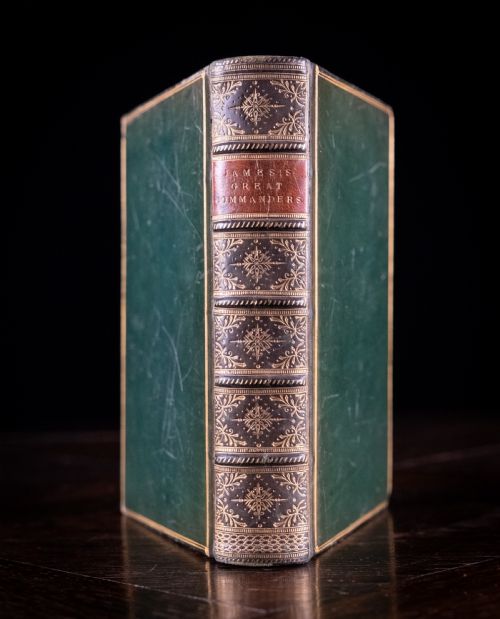

Decorative Leather Bound Volumes
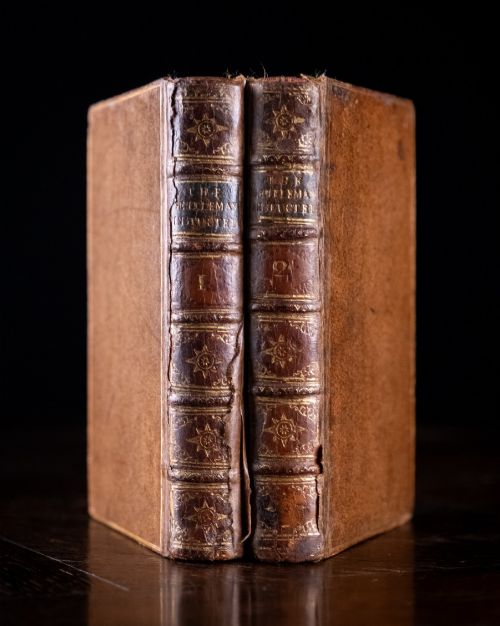
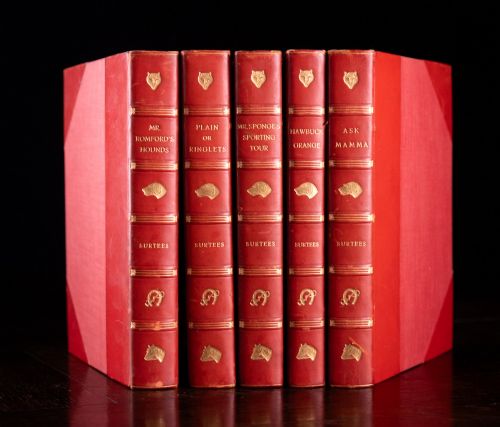
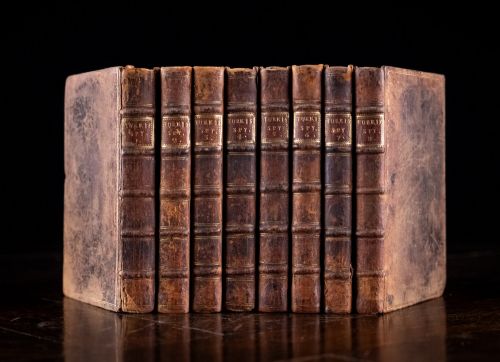
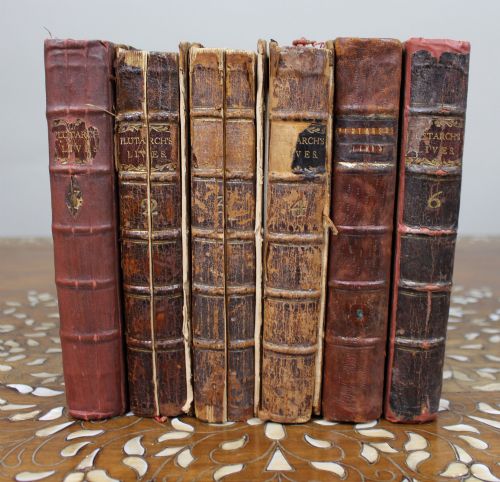
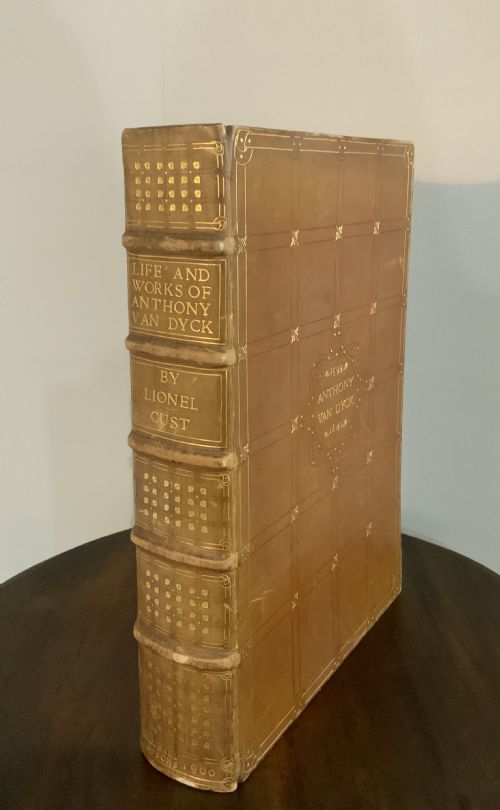
When you search for decorative leather bound volumes, you are looking at tactile antique literature dressed in calfskin, vellum and gold leaf.
Decorative Leather Bound Volumes
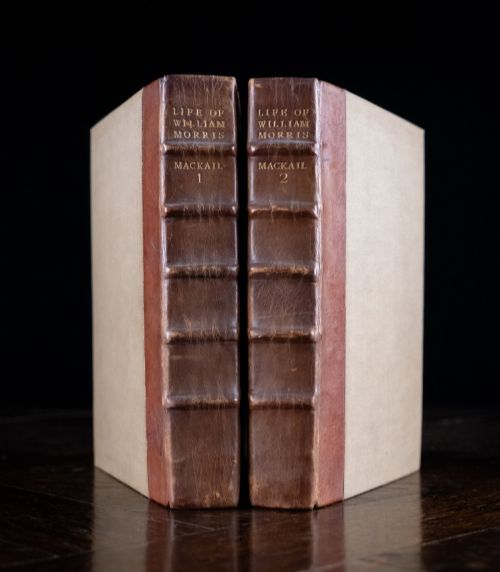
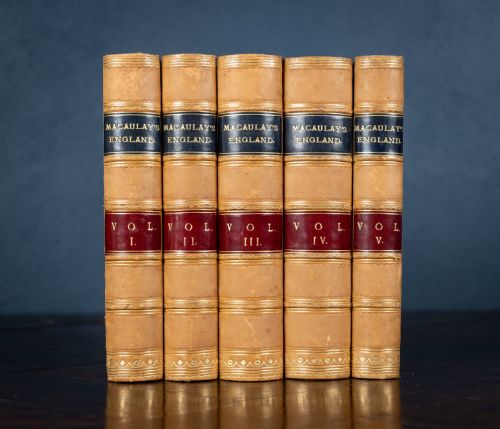
Decorative leather bound volumes encompass antiquarian books and complete multi-volume sets encased in historical skins, paper and cloth. These items range from single editions to extensive runs spanning the eighteenth, nineteenth and early twentieth centuries.
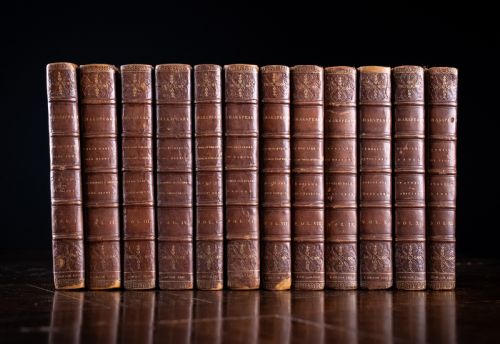
Buyers most frequently encounter Victorian, Edwardian and Georgian multi-volume sets alongside single historical works. Subjects stretch from Shakespeare plays and classical biographies to sporting novels, philosophy and county references.
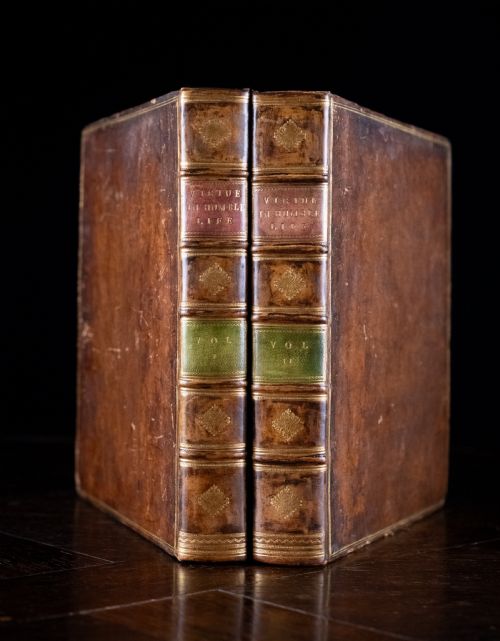
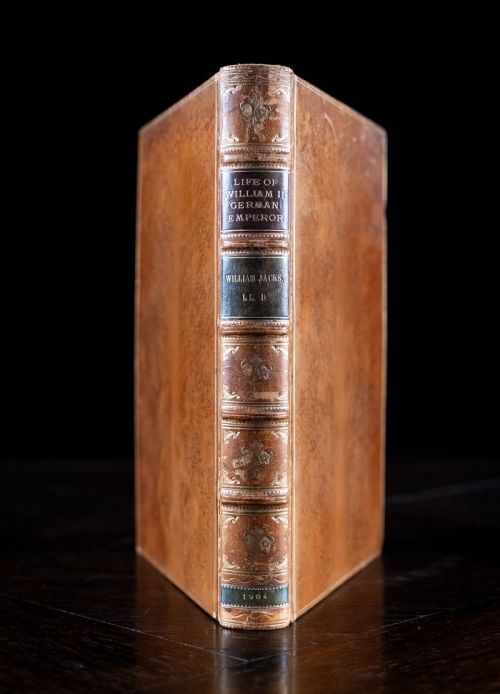
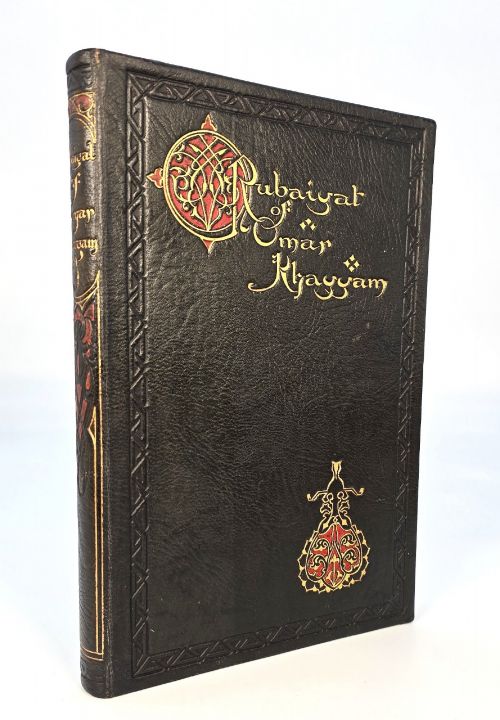
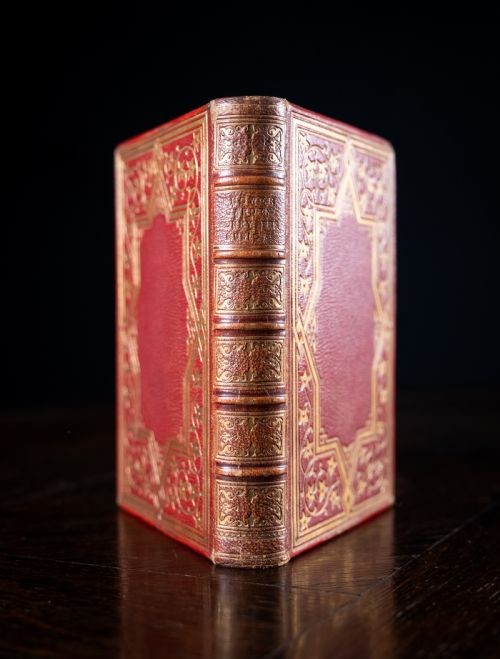
The material expression of these books shifts through periods, moving from eighteenth-century calf bindings to nineteenth-century gilt-tooled spines and early twentieth-century vellum covers. They function simultaneously as readable literature and sculptural bookshelf decoration.
How they were made
Binders utilised durable natural materials, predominantly calfskin leather and vellum over paper text blocks, sometimes enhanced with cloth components. These hides provided a robust protective shell capable of enduring centuries of handling.
Decoration relied heavily on gold leaf applied through hot stamping or tooling to create gleaming titles and ornamental spine bands. Skilled artisans pressed metal foil into the leather using heated brass stamps to achieve permanent metallic highlights.
Several sets record historical pursuits, from ancient Turkish spies in Paris to nineteenth-century honey bees and gardens.
What varies in quality
Quality separates through the crispness of the gilt tooling upon the spine and the uniformity of the binding across a multi-volume set. Finer examples display deep, sharp impressions in the leather and matching skins that age with consistent grace.
The distinction between standard commercial bindings and superior craftsmanship lies in the selection of the hide and the integrity of the original sewing. Artisans who bound works with careful attention to structural joints and premium calfskin produced volumes that retain their structural rhythm over centuries.
The Decorative Leather Bound Volumes Glossary
- Calfskin
- A fine, smooth leather derived from the hide of a calf, frequently used for high-grade bookbindings. It accepts tooling and polishing exceptionally well.
- Vellum
- A writing material made from prepared calf, lamb, or kid skin, prized for its pale, durable surface. It often appears on twentieth-century collected sets.
- Gilt tooled
- A decoration technique applying gold leaf pressed into leather with heated metal tools. This creates shiny metallic patterns and lettering along the spine.
- First edition
- The earliest printed appearance of a work from its initial typesetting. Collectors prize these for their textual purity and historical priority.
- Text block
- The assembled and sewn pages of a book before the cover is attached. Its structural tightness indicates the health of the binding.
Decorative Leather Bound Volumes: Frequently Asked Questions
What periods do these books span?
The available volumes stretch from the eighteenth century through the Victorian and Edwardian eras up to the early twentieth century. This timeline covers neoclassical, Georgian, Regency and late Victorian publishing traditions.
Each period brings distinct typography, binding styles and material choices, allowing collectors to curate shelves representing specific historical decades.
Are these complete sets or single volumes?
The selection includes both individual antique books and extensive multi-volume sets running anywhere from two to twenty-five volumes. Many listings feature complete works like Shakespeare plays or historical memoirs housed together.
Complete sets offer a uniform visual presence on a shelf, matched in height, leather tone and spine ornamentation by the original binder.
What subjects are covered?
The titles span literature, drama, poetry, philosophy, history, sporting novels and natural history. You will find works by classic playwrights, essayists and nineteenth-century chroniclers.
This variety means volumes serve academic interest, historical research or atmospheric library decoration depending on the buyer's focus.
How should I care for leather bindings?
Antique leather requires stable environmental conditions away from direct sunlight and excessive humidity to prevent the skin from drying out. Gentle handling preserves the delicate gold tooling and spine joints.
Allowing the books adequate air circulation on open shelves helps maintain the natural moisture balance within the historical calfskin and vellum.