





Decorative Green Glass Dish
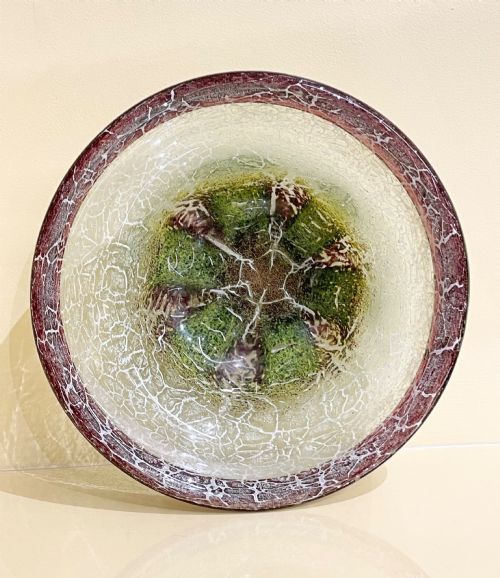
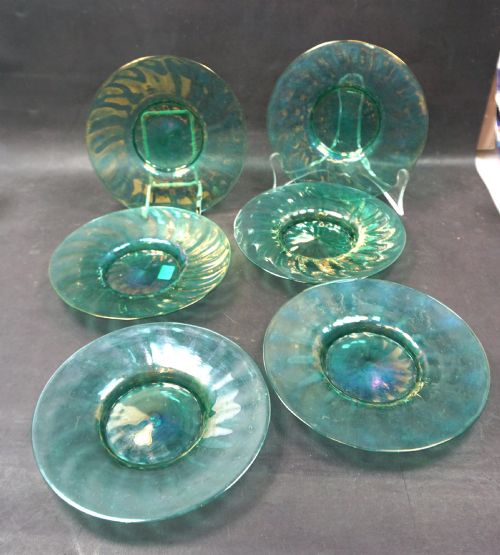
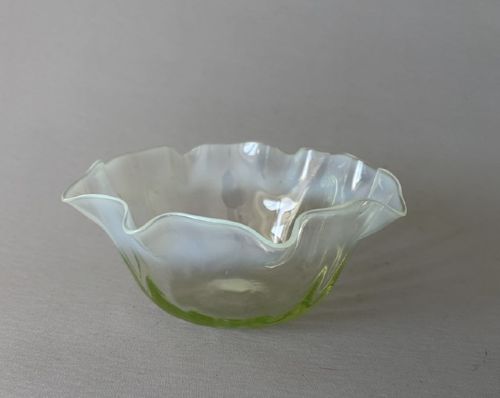
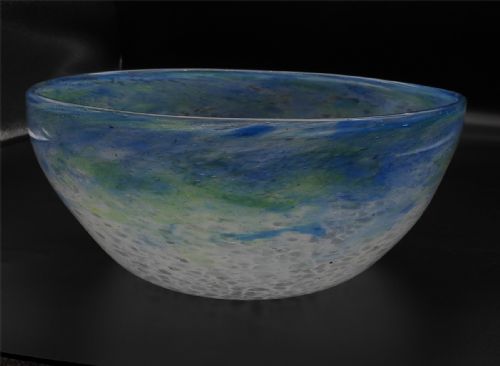
A decorative green glass dish brings colour and light into a room, offering a striking focal point for any table.
Decorative Green Glass Dish
A decorative green glass dish encompasses bowls, plates, and shell-shaped dishes created across various periods from the nineteenth century to the mid-twentieth century.
The pieces available include Venetian glassworks, French crystal, Belgian overlay designs, and English Arts and Crafts creations.
Buyers will most frequently encounter Venetian and Bohemian productions alongside French and Scottish studio bowls when searching for this phrase.
How they were made
Maker techniques involve blown glass, mould-pressed crystal, and layered overlay methods where green glass fuses with clear or coloured bases.
Artisans applied surface embellishments such as gold leaf, latticinio canes, and iridescent treatments while the material remained molten or through subsequent cutting.
Specialised workshops utilised aventurine inclusions and pâte de verre casting to achieve rich texture and depth within the green coloration.
Decorative Green Glass Dish Retail Price Guide 2026
Typical asking prices for decorative green glass dish among the pieces listed under this phrase on Sellingantiques today, from the lower quarter to the upper quarter. They describe what is for sale here now, not the wider market.
Listings feature items spanning the nineteenth century, 1880, 1900, 1920, and 1930 periods, incorporating materials such as crystal, gold leaf, and lattimo glass.
What varies in quality
Quality rests upon the precision of the glassblower, the clarity of the crystal, and the complexity of decorative techniques such as cane placement and overlay depth.
Distinction also arises from the prestige of the studio or designer, with documented works by recognised makers showing superior material handling and finish.
Venini·Daum France·Salviati Venice·Val St. Lambert Belgium·Monart Glass·Loetz factory
The Decorative Green Glass Dish Glossary
- Overlay glass
- A technique involving layers of different coloured glass fused together, where the outer layer is partially cut away to reveal the contrasting colour beneath. This method creates depth and intricate patterns.
- Latticinio
- A type of Venetian glasswork featuring opaque white or coloured glass threads embedded within clear or tinted glass, often arranged in spiral or net patterns. It demands high skill from the glassblower.
- Aventurine
- Glass containing suspended metallic crystals, typically copper, which create a glittering or shimmering effect within the material. It was frequently utilised in Venetian and revival pieces.
- Pâte de verre
- A form of kiln-cast glass created by packing finely crushed glass into a mould and fusing it with heat. The resulting objects possess a dense, sugary texture and rich colour saturation.
Decorative Green Glass Dish: Frequently Asked Questions
How do I clean a decorative green glass dish?
Wash the glass gently by hand using lukewarm water and mild soap. Avoid abrasive sponges or harsh chemicals to protect surface gilding and delicate finishes.
Dry the piece immediately with a soft, lint-free cloth to prevent water spots and maintain the polished lustre of the crystal or glass.
Where should I display my glass dish?
Place the dish in a location where natural light passes through the green glass to highlight its colour and transparency. Windowsills, mantelpieces, and illuminated cabinets work well.
Ensure the surface is stable and protected from heavy foot traffic or accidental bumps that might cause the glass to shift.
How do I identify the period of a glass dish?
Examine the base for pontil marks, factory stamps, or signatures that indicate the maker and era of production. Stylistic elements like Art Deco geometry or Victorian revival motifs also offer clues.
Compare the manufacturing technique and glass coloration with documented examples from similar workshops and dates.
Were these dishes used for food?
Many nineteenth and twentieth-century glass dishes served decorative purposes, holding calling cards, potpourri, or simply acting as standalone art objects. Some forms, however, were designed for fruit or sweetmeats.
Check the interior surface for wear or acid etching that might suggest functional dining use rather than pure display.