


Decorative Gilt Artwork
Decorative gilt artwork brings warmth and historical richness into a room through metallic finishes and detailed framing.
Decorative Gilt Artwork
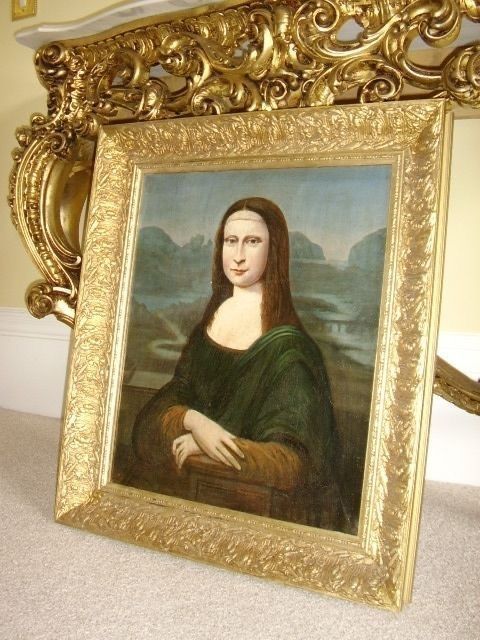
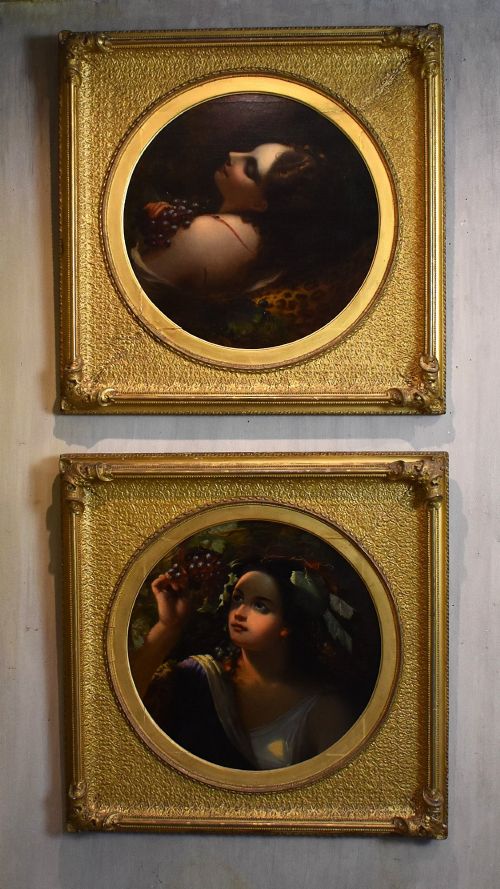
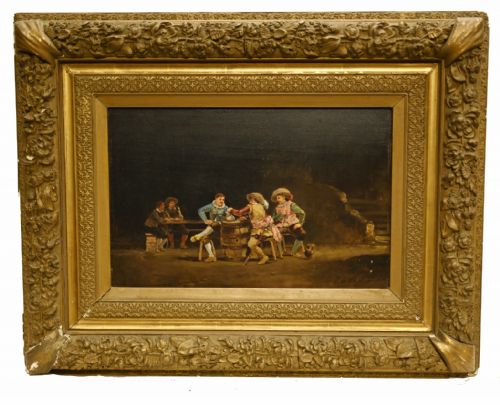
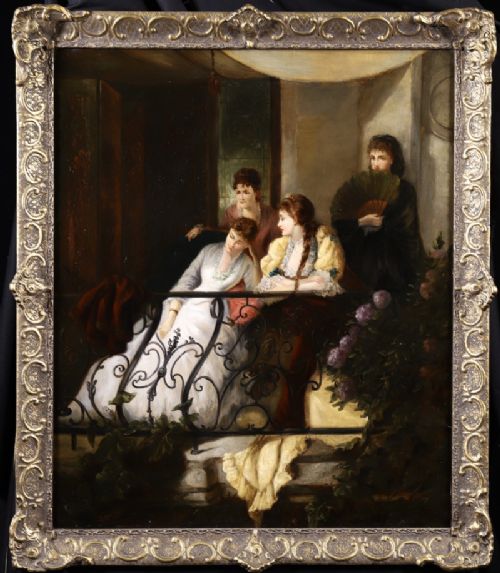
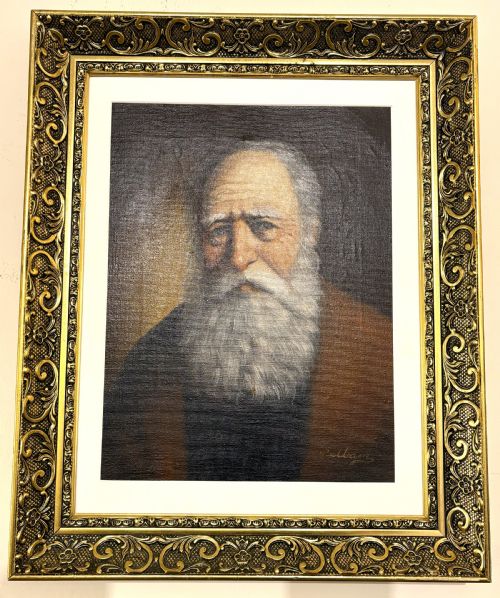
Decorative gilt artwork comprises framed paintings, oil on canvas, watercolours, prints, and panels originating from periods spanning the seventeenth century to the mid-twentieth century.
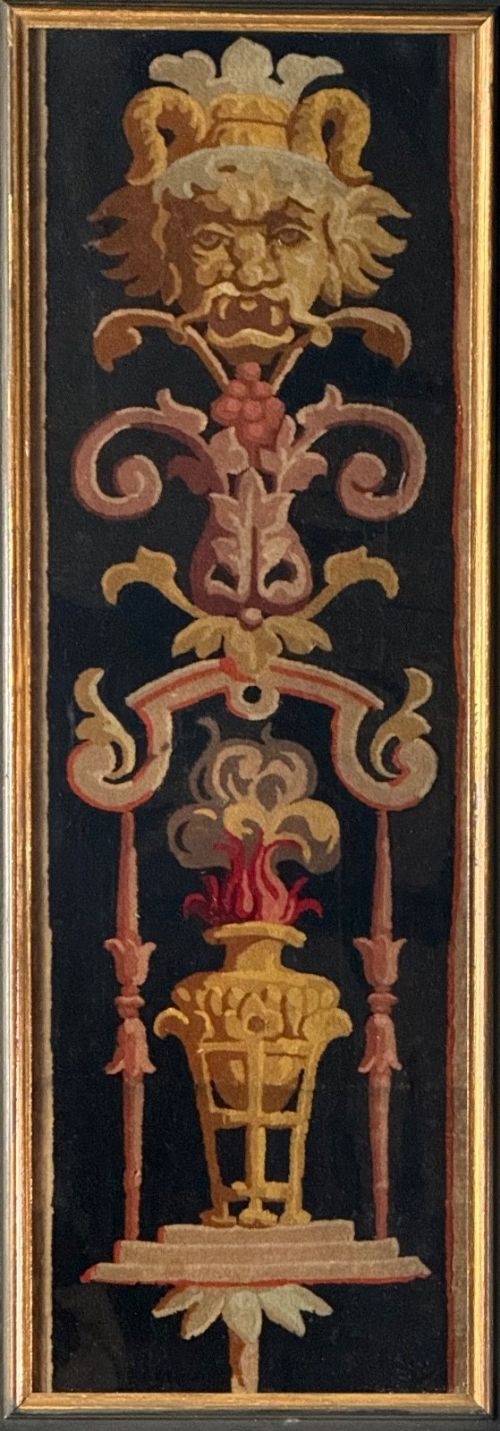
Buyers encounter oil paintings on canvas or board, framed prints, miniature paintings, enamel paintings on copper, and embroidered panels within this selection.
The objects stem from diverse origins including English, French, Italian, and American schools, reflecting classical, baroque, rococo revival, and Victorian stylistic influences.
Materials and Techniques
Makers utilised wood, glass, paper, canvas, and copper as foundational supports for pigments, oils, watercolours, and enamels.
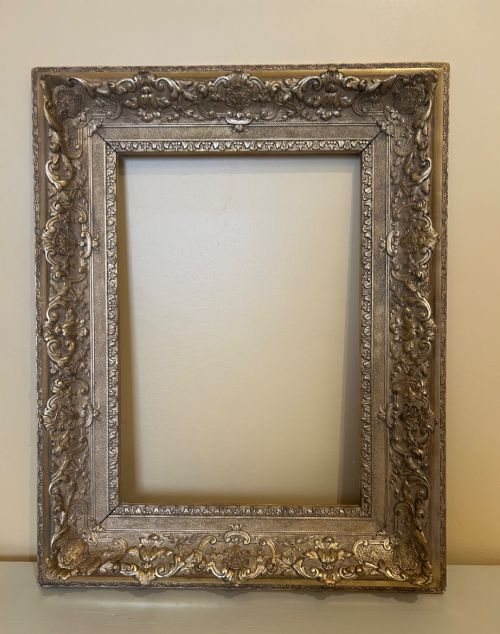
Gilded wood, gilt wood, and giltwood formed elaborate frames and panels, often enhanced by gesso and hand enamelling.
Execution involved oil painting, watercolour techniques, engraving, lithography, embroidery, and lacquer work applied to textiles, metal, and wood.
The listings feature oil on canvas, wood, paper, glass, and copper materials across periods from the seventeenth century to 1960.
Evaluating the Pieces
Quality rests upon the skill demonstrated in the brushwork, handling of medium, and the expressive depth of the portraiture, landscape, or still life.
The integrity and hand-finishing of the surrounding gilt frames, gesso mouldings, and enamelled mounts distinguish finer examples from standard decorative items.
Provenance, artist signature, and period authenticity contribute significantly to the distinction between workshop pieces and signed masterworks.
Theodore Jensen·Ruth Prowse·Constant Ludovic Artz·Frank Myers Boggs·William Powell Frith
The Decorative Gilt Artwork Glossary
- Giltwood
- Wood that has been coated with gold leaf or a gold-coloured finish. This technique highlights carved frames and decorative panels.
- Crystoleum
- A method of applying hand-coloured watercolours or oils to the inside of concave glass. It was popular during the Victorian era for displaying prints.
- Gesso
- A plaster mix applied to wood before gilding or painting. It provides a smooth surface for detailed decorative moulding.
- Enamel painting
- Pigments fused to a metal surface, such as copper, through firing. This technique produces glossy, durable coloured imagery.
Decorative Gilt Artwork: Frequently Asked Questions
What periods do these artworks represent?
The pieces span multiple centuries, including the 17th, 18th, and 19th centuries, alongside Victorian, Regency, and mid-twentieth century examples.
Styles range from classical and baroque to rococo revival and late Victorian aesthetics.
How should I care for gilt frames?
Gilt frames require gentle dusting with a soft, dry brush to protect the delicate metallic leaf and gesso surfaces.
Keep them away from direct sunlight and moisture to prevent the wood and finish from degrading.
Are these paintings original?
The collection includes original oil paintings, watercolours, and hand-painted panels alongside period prints and reproductions such as tinsel prints.
Signatures, artist attribution, and material analysis help identify original studio works.
What subjects appear in these artworks?
Subjects include portraits of gentlemen and historical figures, coastal and landscape scenes, tavern gatherings, and botanical subjects.
Decorative panels also feature theatrical prints, biblical scenes, and grotesque masks.