

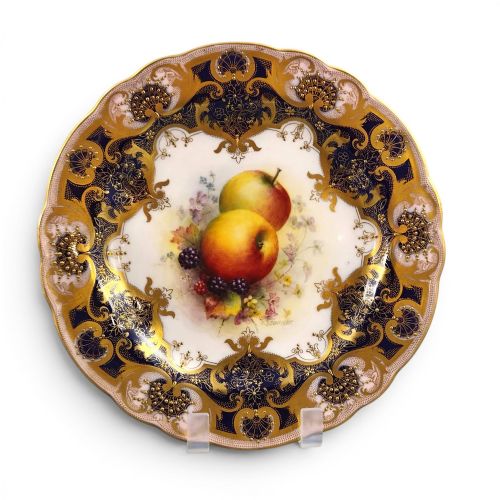
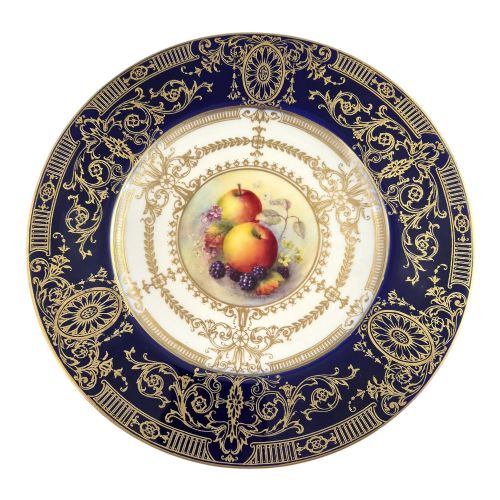
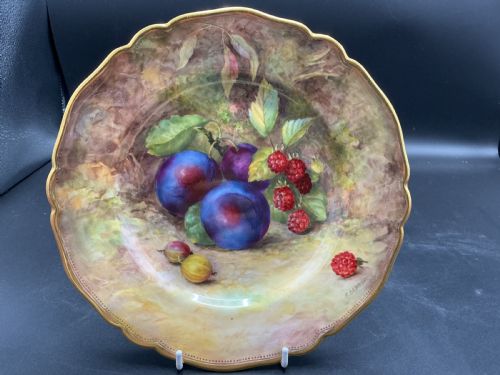
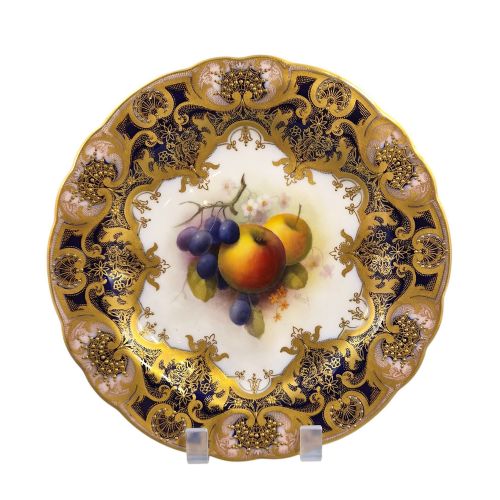
Decorative Fruit Plates
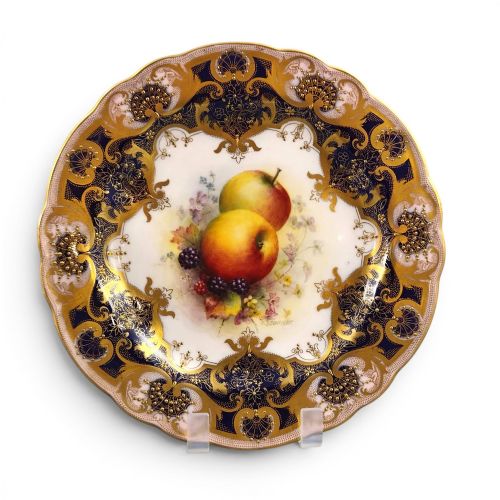
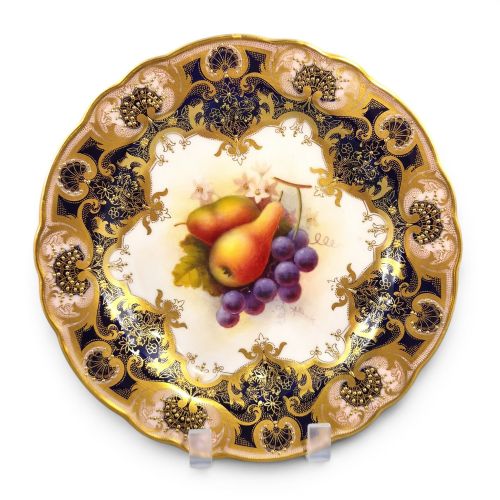
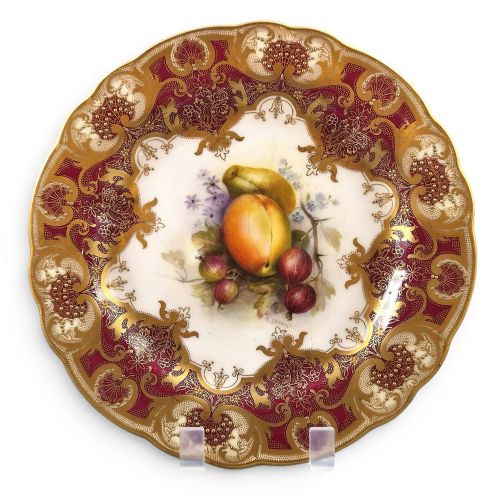
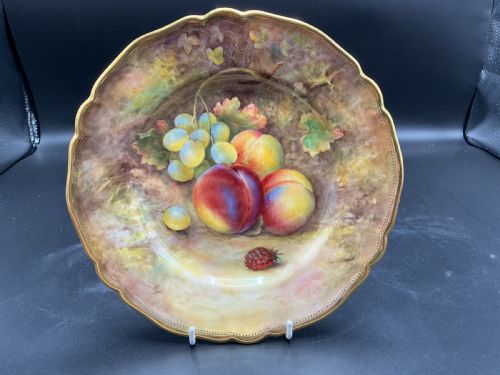
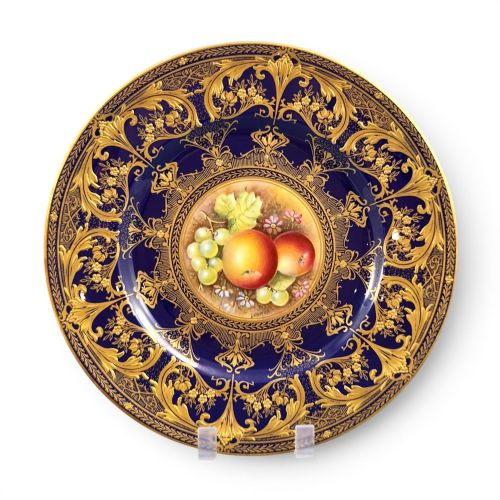
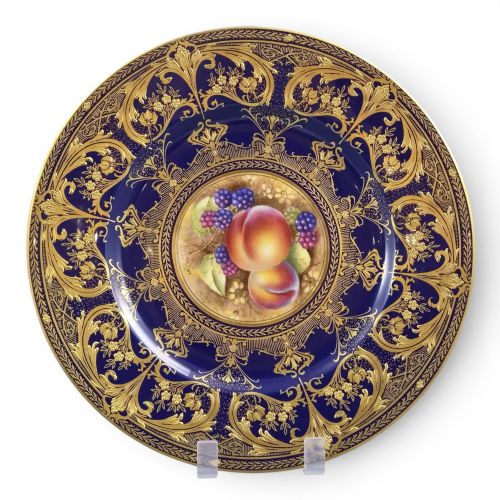
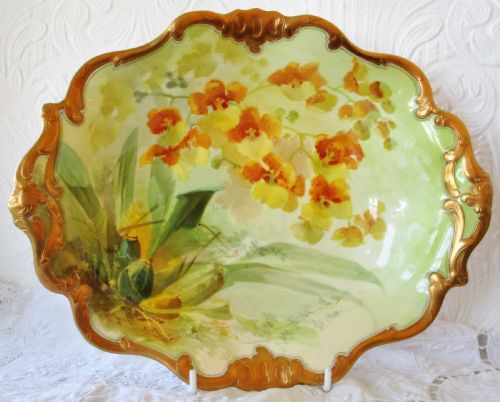
These decorative fruit plates bring hand-painted artistry and fine porcelain into the home, offering a vibrant focal point for any room.
Decorative Fruit Plates
When searching for decorative fruit plates, collectors encounter an array of fine ceramics, porcelain and metalware designed primarily for display rather than dining. These pieces span from the late nineteenth century through the mid twentieth century, encompassing cabinet plates, dessert services and decorative bowls.
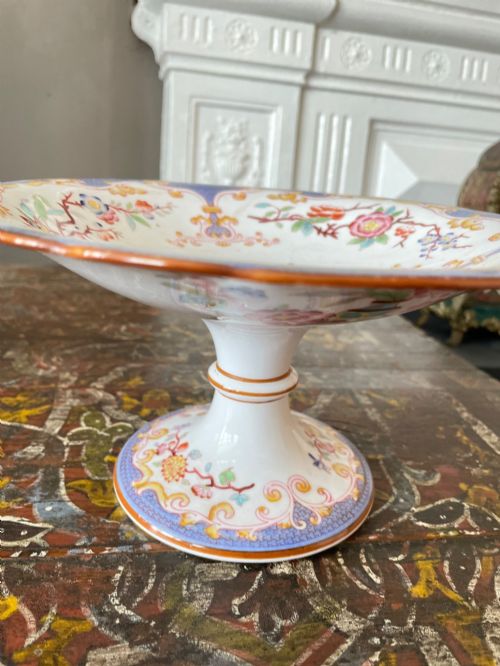
The selection on this page relies heavily on English porcelain and earthenware from periods such as the Victorian, Edwardian and Art Deco eras. Pieces range from single cabinet plates to matched dessert services and silver-plated centerpieces.
Makers and artists working within these traditions focused heavily on botanical and fruit subjects, rendered with meticulous brushwork. Buyers are most likely to find individual cabinet plates alongside larger serving dishes produced by major potteries.
Materials and construction
The construction of these items draws upon traditional ceramic bodies including porcelain, bone china, earthenware and ironstone, often paired with gilding and gold leaf. Artisans applied detailed paint and enamel directly to the ceramic surface before firing.
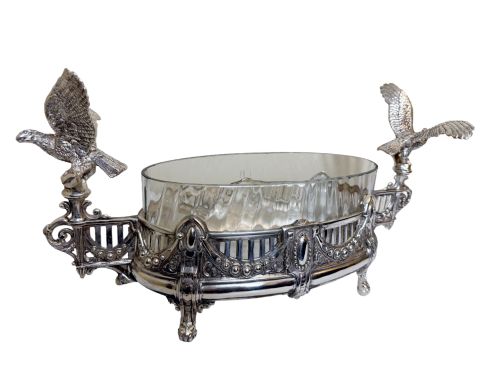
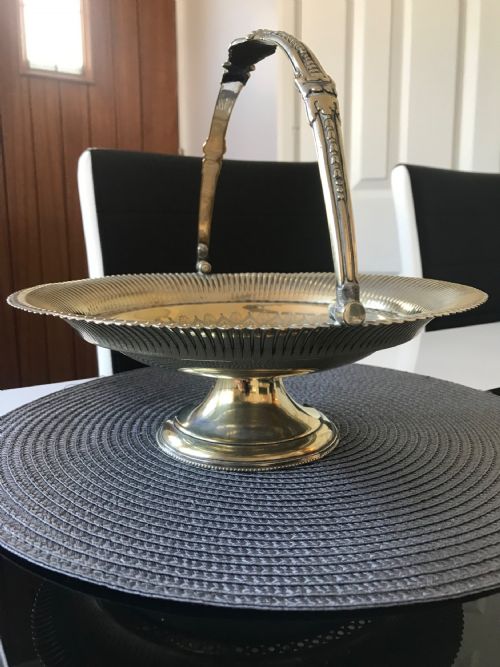
Metal components utilise silver plate, sterling silver and bronze, occasionally combined with cut glass. Workshops employed techniques such as casting, stamping and hand painting to achieve the final decorative effect.
Decorative Fruit Plates Retail Price Guide 2026
Typical asking prices for decorative fruit plates among the pieces listed under this phrase on Sellingantiques today, from the lower quarter to the upper quarter. They describe what is for sale here now, not the wider market.
Listings feature porcelain, earthenware, ironstone and silver plate spanning the Victorian, Edwardian, Art Deco and mid-century periods.
Factors determining quality
Quality rests upon the skill of the artist and the fineness of the ceramic body, particularly where hand-painted fruit and botanical studies are concerned. Pieces bearing the signatures of known painters command greater attention from collectors.
The application of gilding and the crispness of moulded details distinguish superior examples from standard production items. Preservation of the painted surface and the original metal finish dictates the overall standing of each piece.
Royal Worcester·Royal Crown Derby·Royal Doulton·Tiffany and Co·Bursley Ware·Jose Alvez Cunah·Masons Ironstone
The Decorative Fruit Plates Glossary
- Cabinet plate
- A decorative ceramic plate intended for display in a cabinet or on a wall rather than for use at the table. These often feature elaborate painted scenes.
- Dessert service
- A matching set of plates, comports and bowls designed for serving the final course of a formal meal. Services frequently included specialised fruit plates.
- Gilding
- The application of gold leaf or gold paint to ceramic or metal surfaces. It provides a decorative border or highlight.
- Imari
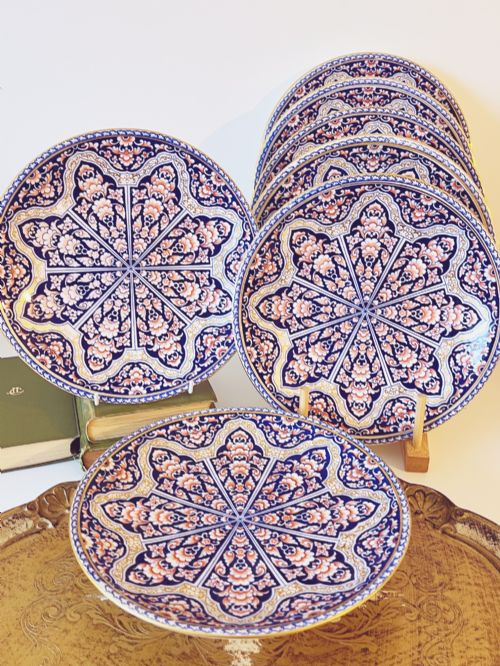
- A style of ceramic decoration characterised by blue, iron red and gold ornamentation, originating in Japan and later imitated in Europe. Victorian Imari pieces adopt this distinctive palette.
Decorative Fruit Plates: Frequently Asked Questions
What are decorative fruit plates?
These are ornamental dishes featuring painted botanical and fruit subjects, created to be showcased on walls, cabinets or sideboards rather than used for daily dining.
Originating largely in the nineteenth and twentieth centuries, they represent the peak of hand-painted ceramic artistry from established European potteries.
How were these plates used?
Historically, pieces from dessert services were brought out at the conclusion of formal meals to serve fruit and sweet courses. Over time, many fine examples transitioned exclusively into cabinet pieces meant for visual display.
Today, collectors use them to introduce colour and traditional craftsmanship into interior spaces.
How do I care for antique plates?
Display these items securely using appropriate plate hangers or stands designed to distribute weight evenly. Avoid placement in direct sunlight to protect the enamel and painted fruit subjects from fading.
Cleaning should be limited to gentle dusting with a dry, soft cloth, avoiding harsh chemical cleaners that might damage the gilding.
How can I tell periods apart?
Dating relies on maker marks stamped or painted on the underside, alongside stylistic indicators such as Edwardian neo-rococo scrolls or Art Deco geometric forms. Ceramic bodies and glaze characteristics also shift between Victorian earthenwares and mid-century porcelain.
Artist signatures and date ciphers provide the most precise chronological markers.