

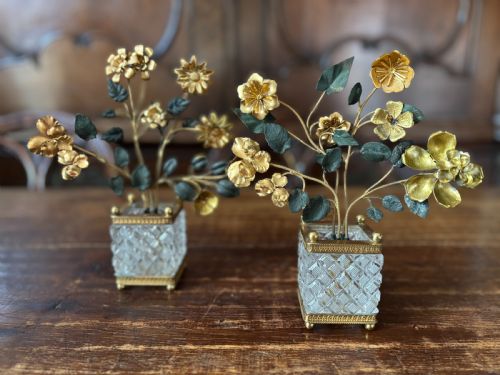
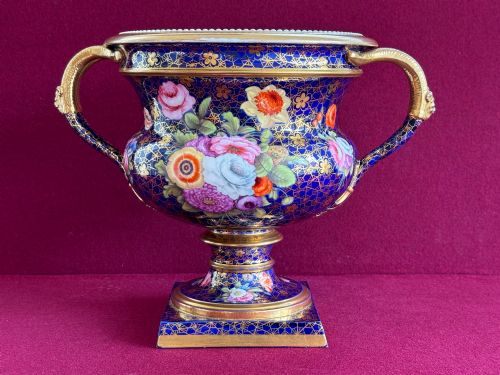
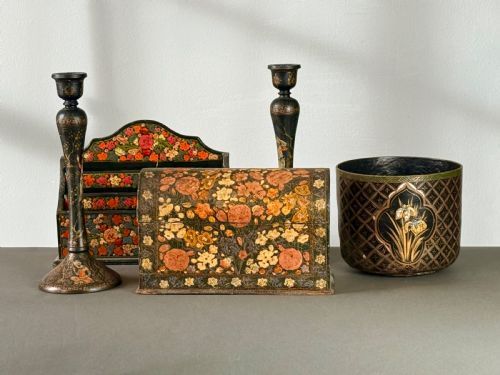
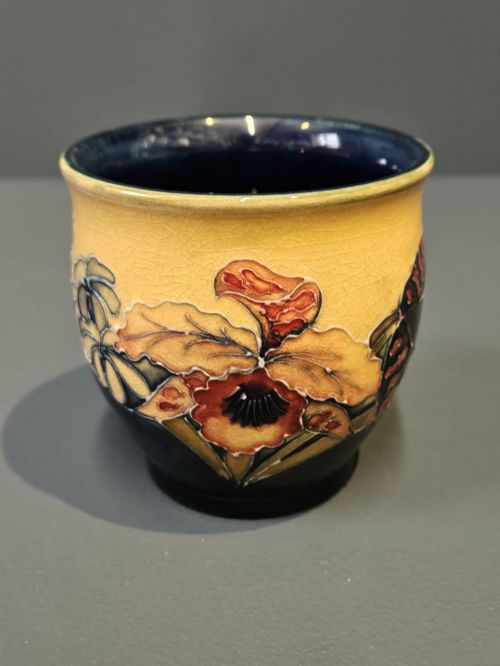


Decorative Floral Planter
These decorative floral planter pieces bring plant life indoors through ceramic, porcelain, and bronze vessels shaped for display.
Decorative Floral Planter
A decorative floral planter serves as a vessel to display plants, appearing here in forms such as jardinieres, cachepots, and pedestal stands. Buyers searching for a decorative floral planter find items originating from periods spanning the nineteenth century through the 1930s.
The selection includes English pottery, Chinese cloisonne, and Japanese bronze vessels. Pieces range from large jardinieres on stands to smaller desk pots and cachepots.
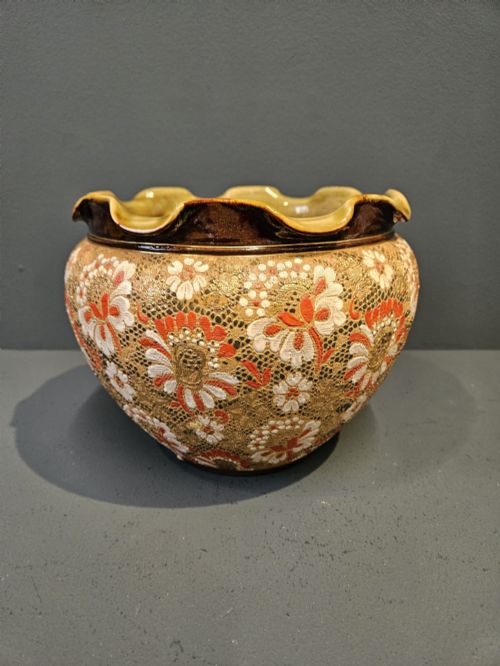
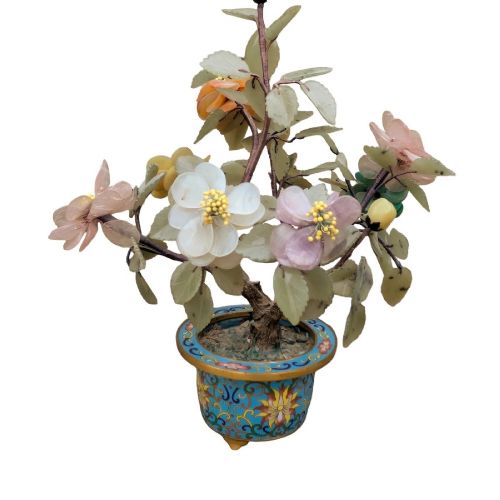
Ceramic and porcelain examples often feature glazes, enamel, or hand-painted details. Metal versions utilise brass and bronze with embossed or cloisonne work.
How they were made
Potters shaped ceramic, porcelain, earthenware, and stoneware bodies on the wheel or in moulds before applying glazes and enamel. Majolica and blush ivory techniques create textured or shaded coloured surfaces on these bodies.
Metal vessels utilise bronze, brass, and dinanderie techniques, incorporating cloisonne wirework to form intricate patterns filled with enamel. Gold leaf finishes highlight specific decorative elements across both ceramic and metal pieces.
Decorative Floral Planter Retail Price Guide 2026
Typical asking prices for decorative floral planter among the pieces listed under this phrase on Sellingantiques today, from the lower quarter to the upper quarter. They describe what is for sale here now, not the wider market.
Listings feature ceramics, porcelain, earthenware, stoneware, brass, and bronze across the Victorian, Regency, and Art Deco periods.
What varies in quality
Quality appears in the crispness of moulded detail and the execution of hand-painted or enamelled motifs. Superior ceramic examples show smooth, even glaze application without pooling or drying flaws.
Metal versions distinguish themselves through the precision of cloisonne wire placement and the weight of the bronze or brass casting. Pieces that retain matching pedestals or retain original surface finishes sit higher in the range.
Royal Doulton·Spode·Doulton Lambeth·Burmantofts·Royal Worcester·Doulton Burslem
The Decorative Floral Planter Glossary
- Jardiniere
- A large ornamental pot or stand used for holding flowers or plants. They frequently sit directly on the floor or upon a matching pedestal stand.
- Cachepot
- A decorative flowerpot outer used to conceal a plain inner plant pot. These vessels lack drainage holes in the base.
- Cloisonne
- An ancient technique for decorating metal object surfaces with coloured enamel separated by strips of metal. Artisans solder flat wires to the metal base to form compartments.
- Majolica
- A type of earthenware glazed with tin and decorated with opaque colours. This technique produces rich, vibrant tones popular during the Victorian era.
- Dinanderie
- Various items of beaten brass or copper ornament and utility work. The term originates from the Belgian town of Dinant.
Decorative Floral Planter: Frequently Asked Questions
What is a jardiniere?
A jardiniere is an ornamental container designed to hold growing plants or flowers indoors. They function as decorative planters rather than standard garden pots.
These vessels often feature feet, pedestals, or handles, allowing them to stand as centrepieces on furniture or floors.
How do I use a cachepot?
A cachepot holds a plain growing pot inside its decorative outer shell. This setup catches drainage water and protects household surfaces.
Water your plants separately before placing them back inside the cachepot to keep the interior clean.
Are these planters waterproof?
Ceramic, porcelain, and glazed stoneware planters hold water safely for living plants. Metal and cloisonne vessels may require a liner to protect the interior surface from moisture.
Check the base and interior glaze condition before placing water directly into older metal bowls.
How do I identify a Victorian piece?
Victorian planters often display majolica glazes, rich floral motifs, or heavy ceramic bodies. Maker marks stamped into the clay help confirm the nineteenth-century production period.
Stylistic cues like Chinoiserie details or elaborate embossing also point toward Victorian manufacturing tastes.