

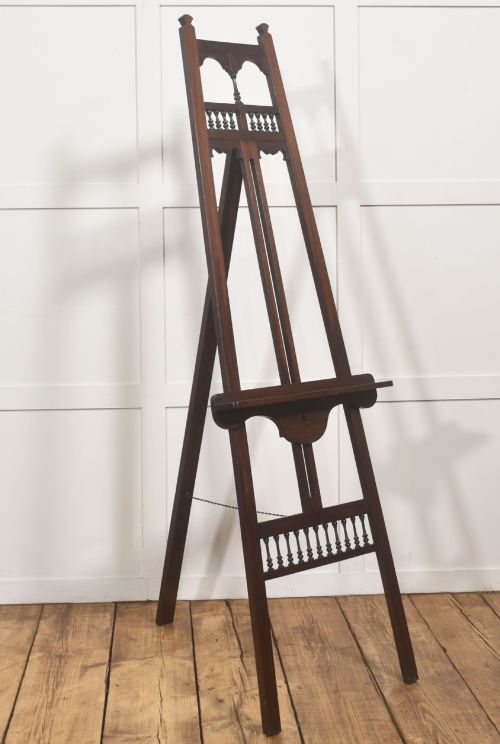

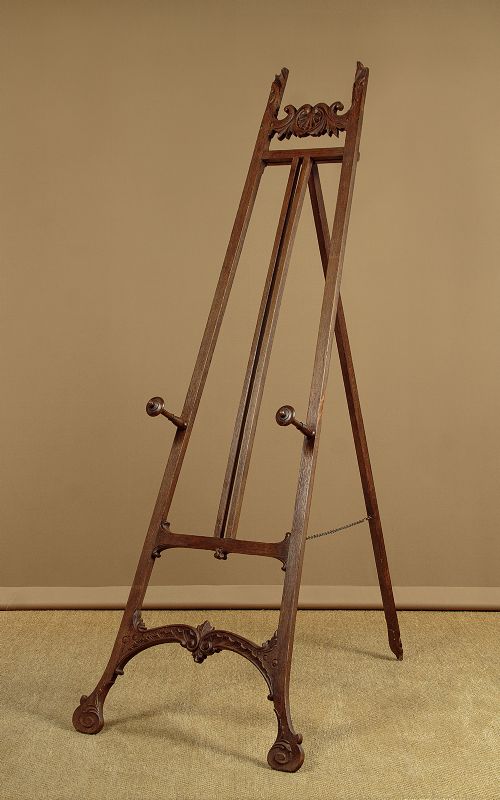


Decorative Easel Stand
A decorative easel stand holds pictures, books or panels for display, bringing architectural presence and tabletop utility to any room.
Decorative Easel Stand
A decorative easel stand supports precious items on desks, cabinets and mantels, drawing the eye to framed photographs, paintings and bound volumes. These objects serve both practical and ornamental purposes in domestic interiors, holding items upright for careful viewing.
Buyers encountering this group will find pieces spanning the nineteenth and early twentieth centuries, including the Victorian, Edwardian and Art Nouveau periods. Forms range from dedicated display easels and artist pieces to picture frames, photo frames and book stands.
Origins vary across English, French and Italian workshops, reflecting diverse regional tastes of the nineteenth century and the Edwardian era. Pieces take the form of large floor or tabletop structures alongside smaller frames and stands designed for intimate display.
Materials and construction methods
Woods such as walnut, oak and painted wood form the structural backbone of many pieces, often enhanced by ebony veneer or intricate carvings. Craftsmen also utilised metal, brass and giltwood to create sturdy frameworks and decorative mounts.
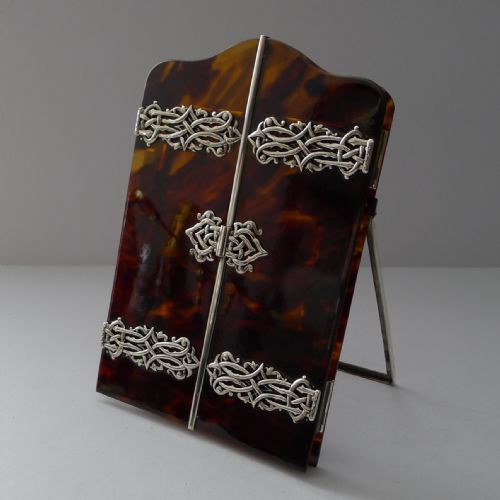
Sterling silver, ormolu and gilded bronze provide metallic brilliance, paired frequently with tortoiseshell, ivory inlay and paste stones for added visual texture. French and English makers applied these diverse materials with specialist joinery and metalworking techniques appropriate to each period.
Decorative Easel Stand Retail Price Guide 2026
Typical asking prices for decorative easel stand among the pieces listed under this phrase on Sellingantiques today, from the lower quarter to the upper quarter. They describe what is for sale here now, not the wider market.
Object types documented include picture frames, book stands, photo frames and dedicated display easels.
Distinctions in quality and execution
The highest tier displays exceptional control in material selection, combining rich woods like walnut with refined accents such as tortoiseshell or ivory inlay. Master craftsmen achieved greater depth in carved oak and more sophisticated chasing in metal mounts.
Stylistic coherence marks superior examples, whether adhering to Gothic Revival seriousness, Florentine curves, Louis XVI ornamentation or Art Nouveau fluidity. The integration of functional elements, such as two-way framing mechanisms and secure ledges, separates standard items from exceptional creations.
The Decorative Easel Stand Glossary
- Giltwood
- Wood that has been coated with gold leaf or a gold-coloured finish to simulate solid gold. This technique adds brightness and reflective quality to decorative frames and stands.
- Ormolu
- Finely ground high-carat gold applied to a bronze base through a mercury-gilding process. It provides a rich, durable metallic finish common on nineteenth-century French pieces.
- Tortoiseshell
- The mottled brown and amber shell of certain turtle species used as an ornamental veneer. It brings natural pattern and warmth when mounted beneath sterling silver.
- Gallery easel
- A specialist display stand featuring an elevated viewing shelf or rail. These pieces often incorporate decorative wood veneers and contrasting inlay work.
- Gothic Revival
- An architectural and decorative style drawing inspiration from medieval forms. It is characterised by pointed arches, heavy timber and ecclesiastical motifs.
Decorative Easel Stand: Frequently Asked Questions
What is a decorative easel stand used for?
These pieces support photographs, paintings, books and small panels on desks, tables and mantels. They elevate items for easy viewing while adding ornamental weight to a room.
Historically, they allowed families to display treasured portraits or open art volumes without wall mounting. Today, they serve the same function of highlighting cherished personal objects.
How do I date a decorative easel stand?
Dating relies on identifying period characteristics in the materials, construction methods and decorative styles used. Victorian and Edwardian pieces often carry hallmarks on silver mounts or distinct revival motifs.
Examining the underlying timbers, joining techniques and hardware provides further clues to age. Italian Florentine and French ormolu items display regional aesthetic markers tied to specific decades.
Where were these stands traditionally placed?
Victorian and Edwardian households placed these stands on writing desks, occasional tables, mantelpieces and drawing-room cabinets. They formed part of the curated tabletop displays popular in the nineteenth century.
Smaller frames and book stands sat comfortably on reading tables, while larger artist or display easels stood independently on the floor or on sturdy sideboards.
What styles are common in these stands?
The selection spans several distinct aesthetic movements from the nineteenth and early twentieth centuries. Gothic Revival pieces show heavy timber and architectural lines, while Art Nouveau items embrace flowing organic curves.
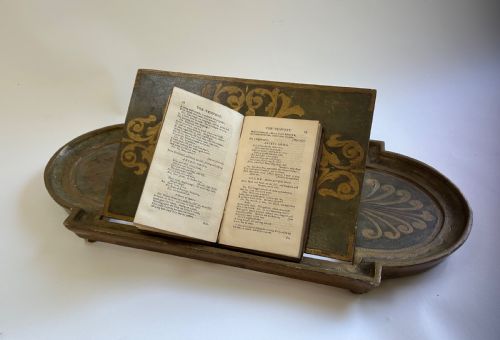
French Chateau and Louis XVI revival styles offer ornate bronze and gilt work. Florentine and Italian pieces introduce rich carving and distinct book-stand forms.