





Decorative Display Plinths
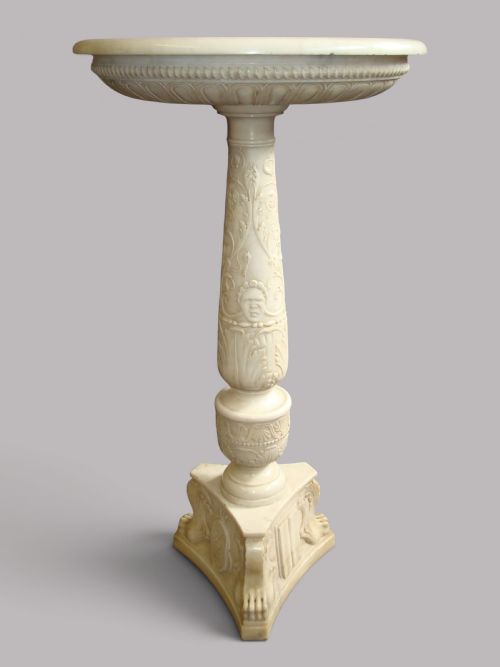
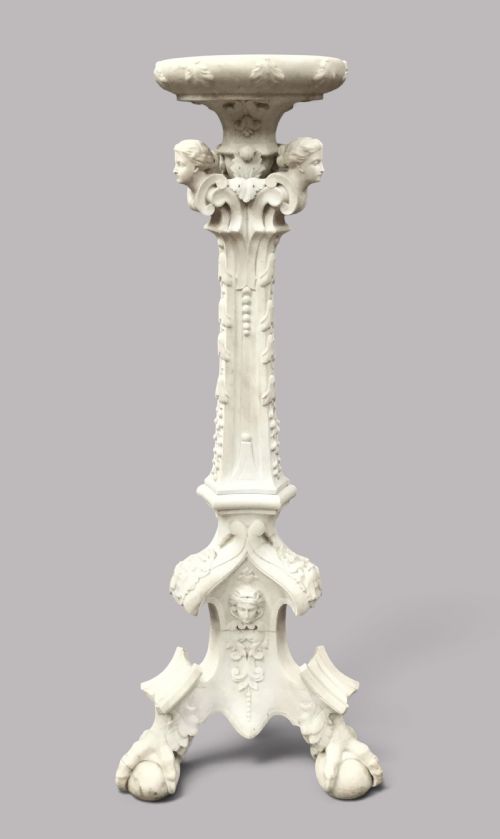
Decorative display plinths raise sculpture and porcelain to eye level, bringing Neoclassical and Baroque presence into a room.
Decorative Display Plinths
Decorative display plinths serve to elevate art and objects within a room, taking forms such as freestanding columns, torchere stands, and wall brackets. When exploring decorative display plinths on this page, buyers regularly encounter nineteenth-century French and Italian examples alongside Victorian pedestal columns.
The selection ranges from architectural stone and marble columns to carved walnut and rosewood stands, frequently echoing neoclassical or baroque idioms. These pieces function as independent sculptures in their own right, designed to bear the weight of heavy bronzes, urns, or busts.
Makers utilised diverse materials to create the illusion of solid stone or rich timber, spanning faux marble finishes, parcel gilt surfaces, and inlaid veneers. Such supports provide a structured focal point for interiors, establishing verticality and formal balance.
How they were made
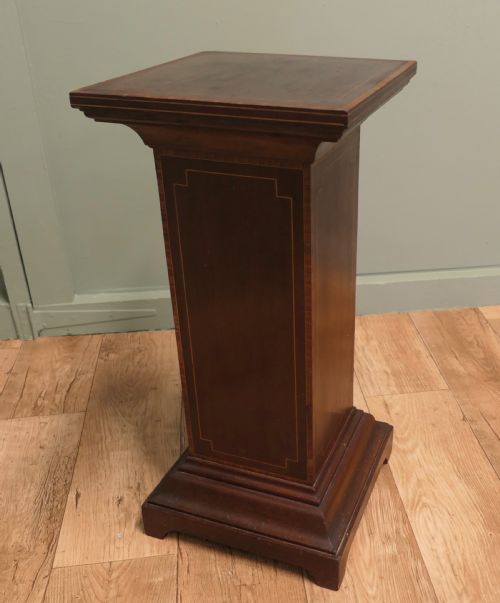
Traditional woodworking techniques underpin timber examples, with carvers shaping solid oak, walnut, and exotic veneers like amboyna and rosewood. Artisans applied gesso, paint, and gold leaf to plaster and wood substrates to achieve opulent surface textures.
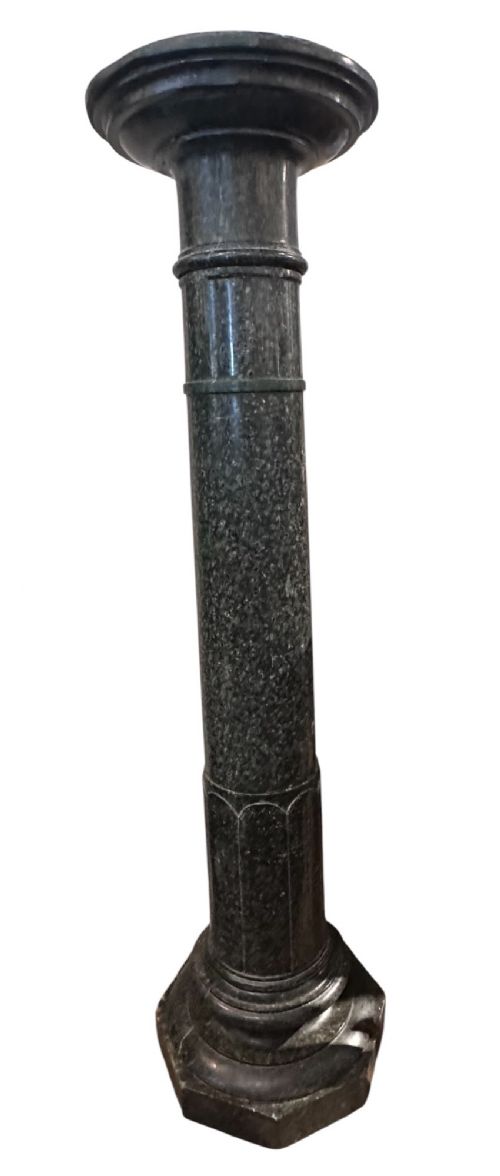
Stone and marble columns rely on masonry and turning skills, producing smooth shafts of verde antico, carrara, and red stone. Ormolu mounts and cast metal details frequently accent the timber and marble structures, adding contrasting metallic highlights.
Decorative Display Plinths Retail Price Guide 2026
Typical asking prices for decorative display plinths among the pieces listed under this phrase on Sellingantiques today, from the lower quarter to the upper quarter. They describe what is for sale here now, not the wider market.
One industrious nineteenth-century workshop even turned out a full suit of armour just in case the pedestal felt lonely.
What varies in quality
Quality rests in the crispness of carved detail and the authenticity of surface finishes, whether dealing with hand-chiselled marble or intricate wood carving. Superior examples demonstrate thoughtful proportion and stable joinery that can safely support substantial weight.
The sophistication of decorative motifs - such as neoclassical fluting, applied ormolu, or painted faux marble graining - distinguishes standard utility pieces from exhibition-grade works.
MARGUERITE
The Decorative Display Plinths Glossary
- Solomonic
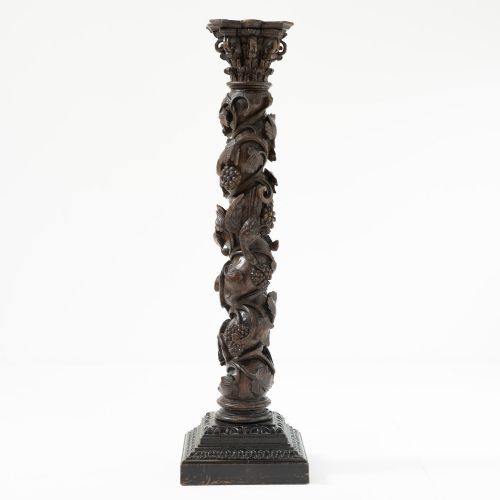
- A helical or twisted column shaft resembling a spiral vine, popular in baroque design. This form creates dynamic movement and catches the light across its turned ridges.
- Ormolu
- Gilded bronze mounts applied to furniture and pedestals during the eighteenth and nineteenth centuries. The technique involves mercury gilding to produce a rich golden lustre.
- Torchere
- A tall stand or pedestal originally designed to hold a torch or candle. These slender supports later evolved to display decorative vases and small sculptures.
- Verde Antico
- A dark green serpentine marble prized by classical and neoclassical makers for its mottled appearance. It provides a dramatic, weighty presence in architectural columns.
- Parcel Gilt
- A finishing method where only specific carved details or raised elements are highlighted with gold leaf. This technique contrasts bare wood or painted surfaces with metallic gleam.
Decorative Display Plinths: Frequently Asked Questions
What holds a display plinth?
These pieces generally support heavy bronzes, marble busts, ceramic urns, or large vases to elevate them within an interior space.
They function as solid architectural furniture designed to bear significant downward weight while adding vertical emphasis to a room.
Where should a pedestal go?
Freestanding columns suit corners, hallways, or reception rooms where they can command sightlines from multiple angles.
Wall brackets attach directly to vertical surfaces, lifting smaller objects clear of floor traffic.
How do I identify faux marble?
Painted timber or plaster often mimics real stone through specialised graining techniques developed to simulate veined marble without the extreme weight.
Close inspection reveals warm timber or chalky plaster beneath the surface rather than cold, solid stone.
What styles do these pedestals follow?
Design idioms span neoclassical fluting, baroque twists, rococo curves, and Victorian revivalism from the nineteenth century.
French and Italian workshops predominated in producing these architectural display stands.