


Decorative Display Pedestal
A decorative display pedestal lifts your sculpture or vase into the light, transforming a quiet corner into a focal point.
Decorative Display Pedestal
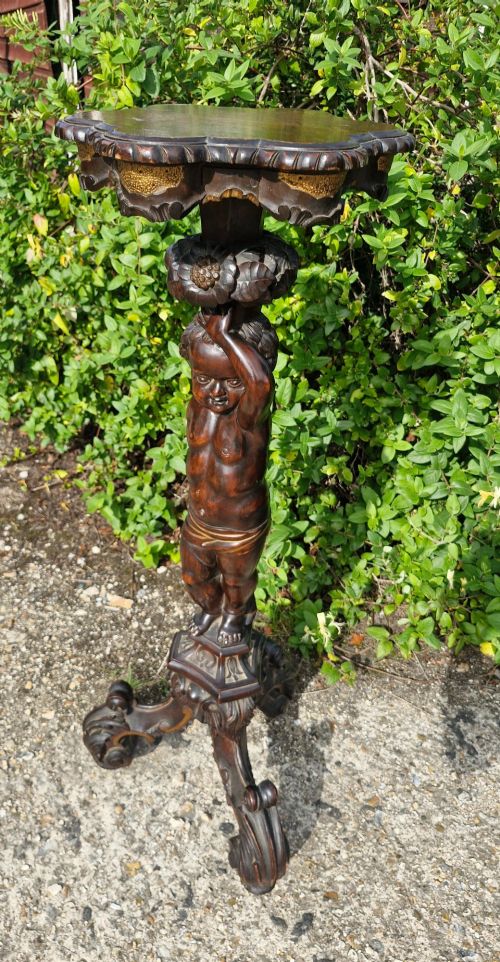
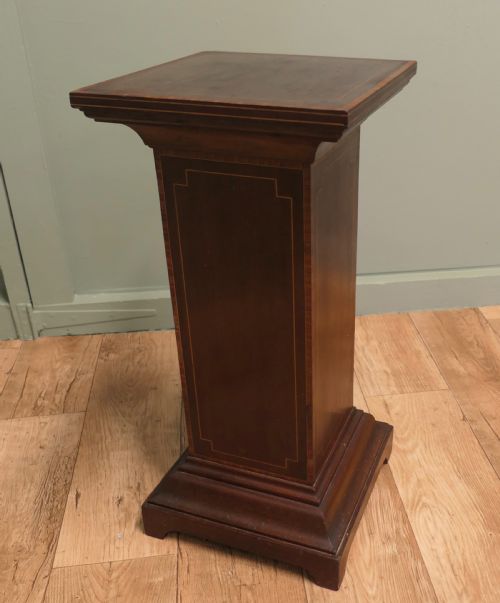
A decorative display pedestal serves as a raised stage for sculpture, urns, and plants within a room. When you explore this selection, you encounter columns, torcheres, and plinths originating predominantly from the nineteenth and early twentieth centuries. These supports range from modest plant stands to grand architectural columns designed to hold significant weight.
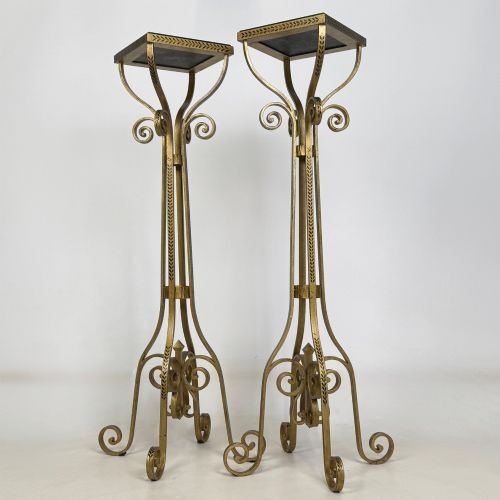
The aesthetic vocabulary spans classical revival styles, including Neoclassical, Baroque, and Victorian interpretations. Pieces often emulate ancient architectural elements, incorporating motifs derived from French and Italian design traditions. You frequently find pairs suited for flanking doorways or fireplaces, alongside single sculptural columns designed to anchor a corner.
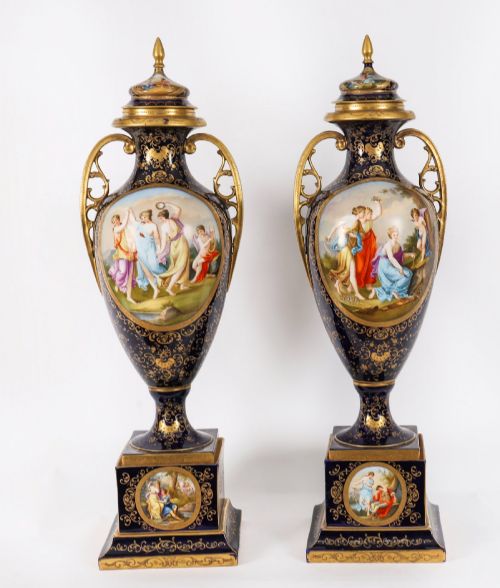
Forms vary from slender wooden torcheres to robust marble columns and cast iron jardinere stands. Many examples incorporate platforms intended specifically to showcase porcelain, bronze, or floral arrangements. Their primary function remains the elevation of art objects, giving them prominence within an interior scheme.
How they were made
Materials shape the character of these columns, combining dense hardwoods like walnut, amboyna, and oak with worked stone and metal. Cabinetmakers and sculptors utilised marble, alabaster, stone, and cast iron to build weight and stability into the base. Surfaces often received elaborate treatments, including gold leaf, gesso, paint, or faux marble finishes to imitate costlier materials.
Construction techniques reflect the period of origin, from hand-carved solid timbers with barley twist or solomonic shafts to detailed plaster and giltwood assemblies. Inlaid woods such as macassar ebony and rosewood appear on French and Art Deco examples, demonstrating precise joinery. Ormolu mounts, brass scroll bases, and silver plating add decorative metallic accents to stone and wood structures.
Design influences span Neoclassical, Victorian, Venetian Renaissance Revival, Baroque, Art Nouveau, and Grand Tour styles.
What varies in quality
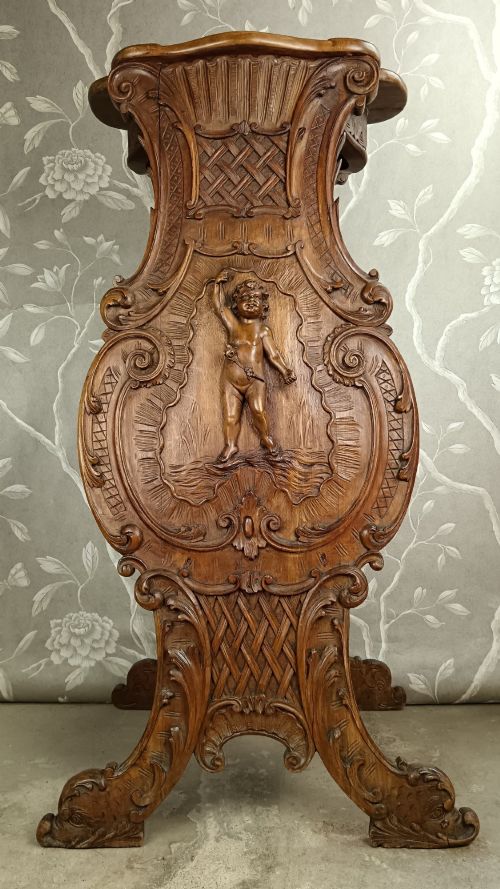
Quality rests in the fidelity of the carving and the integrity of the materials employed. A master carver achieves depth and proportion that raises a wooden or stone column from a simple support to a sculpture in its own right. The weight and figuring of the marble top or column shaft dictate the structural presence of the piece.
Execution of surface finish separates standard production from exhibition pieces. Hand-applied gesso, subtle parcel gilding, and convincing faux marble graining require specialist skill. The precision of inlaid veneers and the weight of cast bronze or brass mounts further distinguish the finer examples.
Royal Vienna·Woodlesford Art Pottery·Marguerite
The Decorative Display Pedestal Glossary
- Torchere
- A tall, slender stand or candlestick designed to hold a light source or a decorative object. They frequently feature delicate legs or a single central column.
- Plinth
- A heavy flat block acting as the base for a statue, column, or pedestal. It provides stability and visual grounding to the structure above.
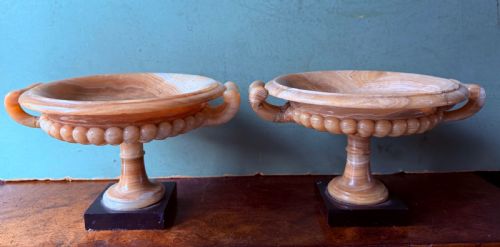
- Tazza
- A shallow saucer-like dish mounted on a stem and foot, often displayed on a stand. These items highlight fine materials such as alabaster, porcelain, or silver.
- Ormolu
- Gilded bronze used for decorative mounts and ornaments on furniture and pedestals. The technique involves applying a mercury and gold amalgam to bronze.
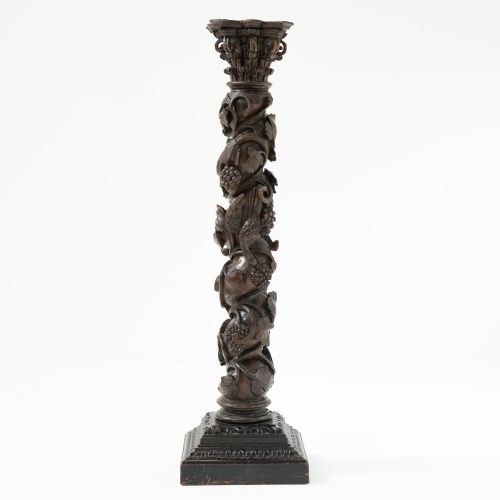
- Solomonic
- A column characterised by a helical twist shaft resembling a spiral. This form originated in classical architecture and gained popularity during Baroque revivals.
- Jardinere
- An ornamental stand or container specifically designed to hold plants or flowers. They appear in ceramic, cast iron, and wood across various periods.
Decorative Display Pedestal: Frequently Asked Questions
Where should I place a pedestal?
These supports suit empty corners, entryways, or flanking larger pieces of furniture where an object needs height. They create visual verticality in rooms with low ceilings.
Ensure the floor surface is level to keep heavier stone and marble columns stable before placing heavy sculptures or ceramic vases on top.
How do I care for wooden and marble columns?
Dust timber surfaces regularly with a soft, dry cloth and avoid harsh chemical polishes that can degrade historic wax or varnish finishes. Keep wooden pieces away from direct heat sources to prevent timber splitting.
For marble and stone sections, wipe gently with a damp cloth and mild soap, ensuring no liquid pools on porous surfaces or unsealed joints.
How do I identify the period of a pedestal?
Examine the timber species, joinery methods, and decorative styles like Neoclassical, Baroque, or Art Deco which align with specific eras. Materials such as amboyna, ormolu mounts, and hand-applied gesso often point to nineteenth-century production.
Compare the turning techniques and finish characteristics against known design movements from the Victorian and Edwardian periods.