






Decorative Country Art
These decorative country art pieces bring honest charm into a home through hand-painted surfaces, carved wood, and vernacular forms.
Decorative Country Art
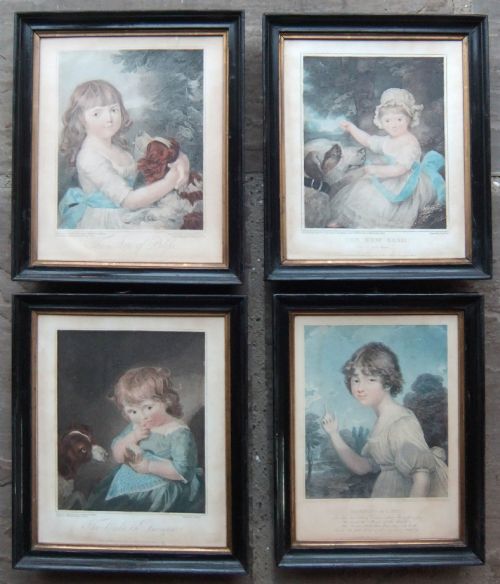
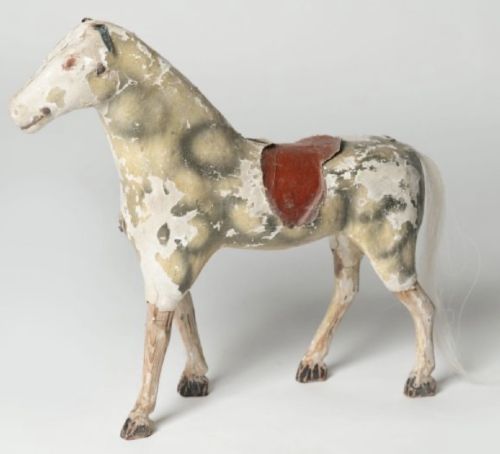
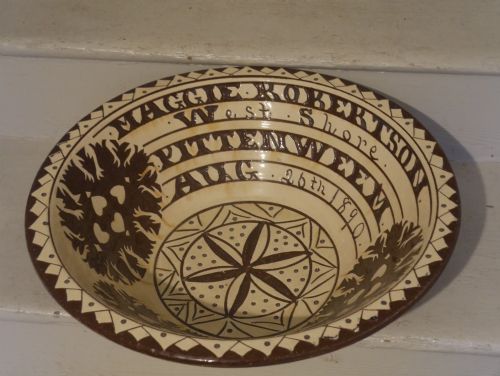
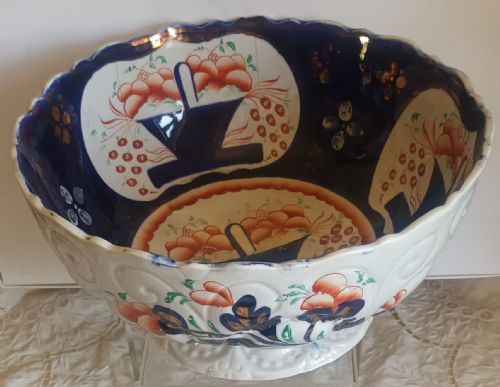
Decorative country art encompasses utilitarian objects and rustic furnishings created with regional character, spanning earthenwares, carved wood, and oil paintings. Buyers seeking this aesthetic encounter pieces designed for everyday use that carry a distinct visual warmth from domestic and rural life.
The selection on this page centres on items from the nineteenth and early twentieth centuries, including Victorian and Edwardian periods as well as French provincial designs. Forms range from wall shelves and decorative bowls to oil paintings and architectural salvage.
Domestic vessels and rustic carvings dominate the offerings, alongside painted wooden boxes and framed canvases. These items reflect the practical traditions of British, Scottish, and French makers who integrated decoration into functional household goods.
How they were made
Makers utilised available natural materials, shaping carved wood, pine, and tree trunks into dug-out bowls and decoys using traditional hand tools. Earthenware and ceramic pieces required shaping and firing before receiving hand-painted glazes or transfer-printed patterns.
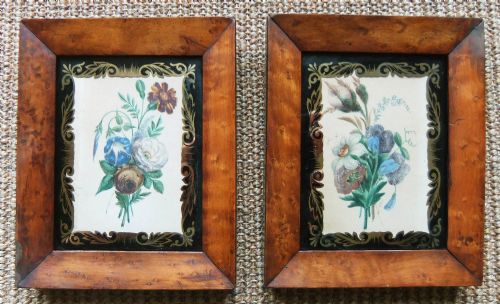
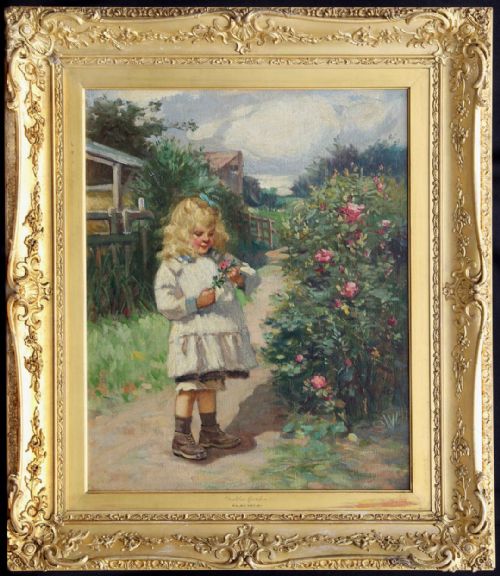
Painted surfaces involve applied pigments on wood, tin, and canvas, utilising oil paints for landscapes and watercolours for floral studies. Architectural salvage elements incorporate cast iron, while mirrors and frames rely on assembled wood and bamboo.
Decorative Country Art Retail Price Guide 2026
Typical asking prices for decorative country art among the pieces listed under this phrase on Sellingantiques today, from the lower quarter to the upper quarter. They describe what is for sale here now, not the wider market.
Listings feature 19th Century, Edwardian, and 1920s periods across materials including earthenware, carved wood, pine, and oil on canvas.
What varies in quality
The execution of painted detail separates standard vernacular items from finer works, particularly in oil paintings and hand-painted ceramics where brushwork precision dictates visual depth. Pieces attributed to recorded artists or specific regional potteries display superior composition and refined handling of materials.
The integrity of natural materials influences overall standard, as seen in the structural preservation of dug-out tree trunks, carved wooden decoys, and pine shelving. Surface patination accumulated through age enhances the visual appeal of painted wood, earthenware, and cast iron when preserved intact.
Scottish Seaton Pottery·Constant Ludovic Artz·Melissa White·Ralph Hedley RBA
The Decorative Country Art Glossary
- Earthenware
- Porous pottery fired at lower temperatures, commonly used for domestic bowls and dishes before being glazed and painted.
- Faience
- Tin-glazed earthenware originating in France, featuring opaque white glazes painted with coloured motifs.
- Folk Art
- Utilitarian and decorative objects created by self-taught or traditional artisans, often reflecting regional cultural patterns.
- Pine
- Softwood utilised widely for utilitarian furniture, wall shelves, and rustic boxes throughout the nineteenth and twentieth centuries.
- Tine
- A traditional Scandinavian or northern European bentwood box constructed with finger joints and a fitted lid.
Decorative Country Art: Frequently Asked Questions
What is decorative country art?
Decorative country art includes utilitarian objects, rustic wooden items, ceramics, and paintings created within regional craft traditions during the nineteenth and early twentieth centuries.
These pieces combine functional purpose with ornamental qualities, reflecting the domestic and rural environments of their makers.
How were wooden bowls made?
Makers hollowed out solid tree trunks using traditional axes, adzes, and gouges to form sturdy dug-out vessels for daily agricultural or domestic tasks.
These carved wooden pieces acquire distinct tool marks and natural patination over decades of use.
Where do French faience dishes come from?
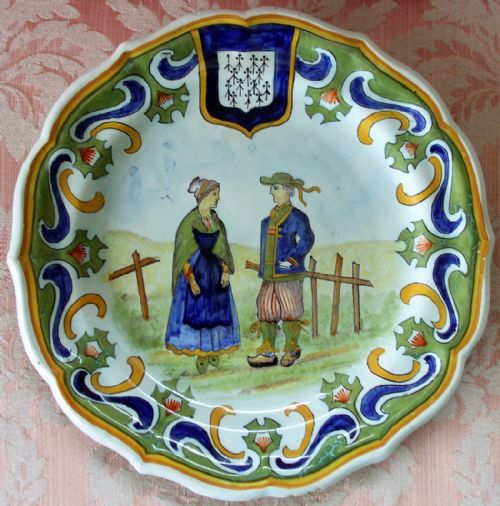
French faience dishes originate from production centres such as Desvres, where artisans applied tin glazes and hand-painted designs to ceramic bodies.
These decorative plates and dishes emulate earlier traditional styles while serving as ornamental tableware.
How to style country art?
Country art pieces integrate easily into contemporary and traditional interiors by adding textural warmth through natural wood, earthenware, and painted surfaces.
Displaying items like wall shelves, framed oil paintings, or decorative bowls creates a grounded, lived-in atmosphere.