





Decorative Bust Figure
A decorative bust figure brings sculptural presence and character to a room, capturing human form across diverse periods and materials.
Decorative Bust Figure
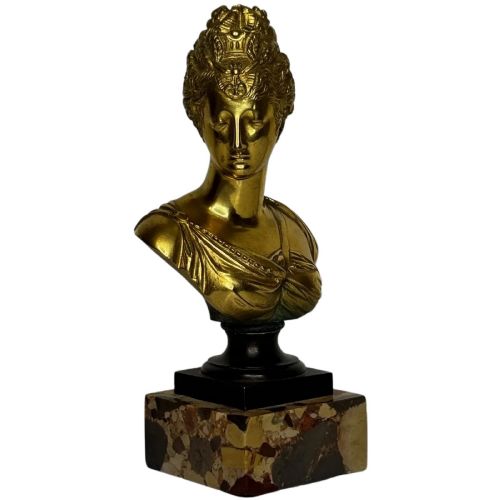
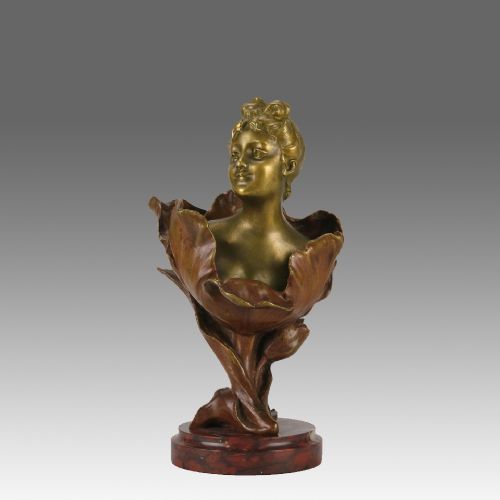
A decorative bust figure focuses specifically on the head, shoulders, and chest of a subject, ranging from classical portraits to allegorical studies. When you search for a decorative bust figure, you encounter works cast in bronze, carved from marble and alabaster, or modelled in terracotta and ceramic.
The selections span the nineteenth and twentieth centuries, taking in distinct aesthetic movements from Victorian and Edwardian traditionalism to Art Nouveau, Art Deco, and early twentieth-century modernism. You will find both life-sized portraiture and smaller cabinet pieces, alongside regional folk art and tribal traditions.
Materials and construction methods
Metal sculptures utilise traditional casting techniques such as lost-wax casting in bronze or the production of spelter figures, frequently enhanced with gilt finishes or painted surfaces. Stone examples rely on the careful hand-carving of marble, alabaster, and Carrara marble to achieve subtle facial expressions and flowing drapery.
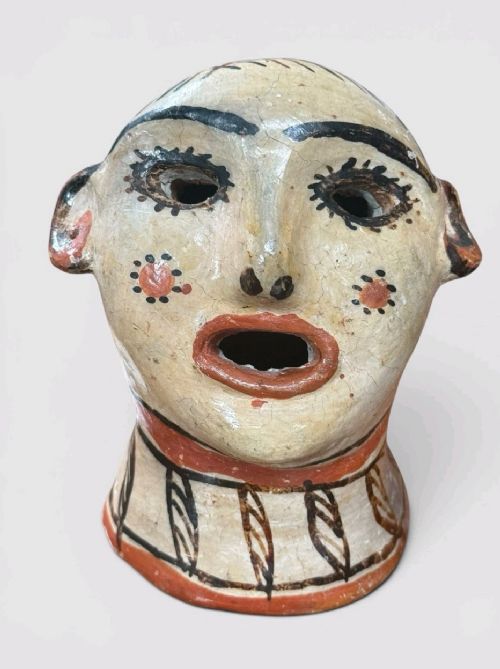
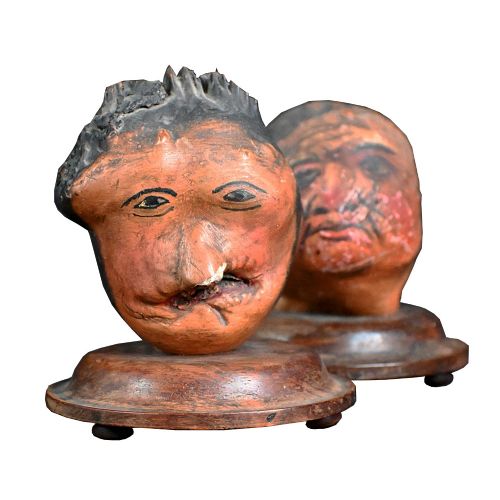
Ceramic and terracotta pieces are shaped from clay and fired, sometimes finished with glazes or painted highlights as seen in pottery and folk art traditions. Wood is also utilised for carved figures, demonstrating the variety of foundational materials employed by sculptors.
Decorative Bust Figure Retail Price Guide 2026
Typical asking prices for decorative bust figure among the pieces listed under this phrase on Sellingantiques today, from the lower quarter to the upper quarter. They describe what is for sale here now, not the wider market.
The selection includes works spanning the nineteenth century through the 1960s, employing materials from Carrara marble to Peruvian clay.
Assessing quality in sculpture
The choice and treatment of material further differentiate the pieces, from the translucent quality of finely polished alabaster to the crisp detail achieved in cast bronze and gilt bronze. Signature marks and foundry stamps add documentary value, distinguishing individual artistic vision from commercial production.
Henri Godet·Ernst Whaliss·Bohumil Rezl·Auguste Moreau
The Decorative Bust Figure Glossary
- Terracotta
- Fired clay used for sculptural modelling. It is frequently left unglazed to show the matte reddish-brown surface.
- Alabaster
- A soft, fine-grained stone that is easily carved. Its slightly translucent quality makes it popular for portrait busts.
- Spelter
- A zinc alloy used as a less expensive alternative to bronze. It is typically electroplated or painted to simulate heavier metals.
- Gilt bronze
- Bronze that has been treated with a thin layer of gold leaf or gold gilt. This technique enhances decorative brilliance.
- Art Nouveau
- A decorative style characterised by organic, flowing lines and natural motifs. It flourished around the turn of the twentieth century.
Decorative Bust Figure: Frequently Asked Questions
Where should I place a bust figure?
These sculptures suit prominent spots such as mantels, pedestals, or heavy console tables where their three-dimensional form can be appreciated from multiple angles. Placing them at eye level allows the detail in the carving or casting to show clearly.
Ensure the piece is stable on its base and kept away from direct heat sources or strong moisture fluctuations, particularly if the work is made from terracotta, wood, or alabaster.
How do I clean marble and alabaster?
Dust these stone surfaces gently with a soft, dry microfibre cloth or a clean, soft-bristled brush. Avoid using water, household cleaners, or chemical solvents, which can penetrate porous stone and damage the finish.
Alabaster is particularly soft and soluble in moisture, so it requires strictly dry maintenance to preserve its delicate surface and translucent quality.
How do I distinguish bronze from spelter?
Bronze is a heavy, durable copper alloy that develops a natural patina over time and feels cool to the touch. Spelter is a lighter zinc-based metal that often shows greyish or white metal beneath chips in the surface paint or plating.
A magnet will not stick to true bronze, and examining the underside or a discreet edge often reveals the distinct weight and colour differences between the two materials.
What is the difference between a bust and a torso?
A bust specifically depicts a person from the shoulders or chest up, usually including the head and neck as the primary focus of portraiture or allegory. A torso focuses on the trunk of the human body without the head or limbs, a form often explored in early twentieth-century modernist sculpture.
Both formats celebrate human anatomy, but they serve different aesthetic roles in interior display.