

Decorative Bronze Cast
Decorative bronze cast objects span centuries of foundry work, bringing sculptural form and utility to interiors through enduring metalwork.
Decorative Bronze Cast
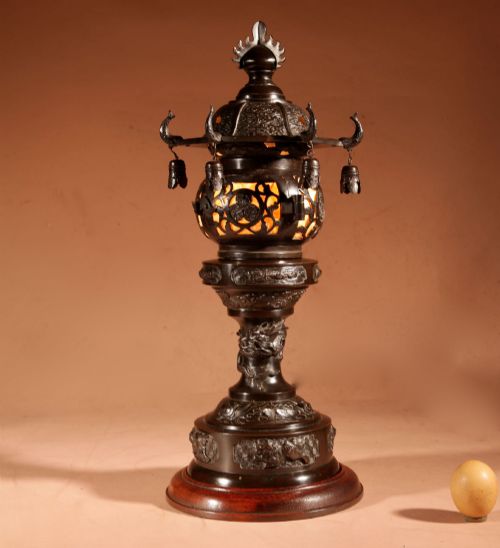
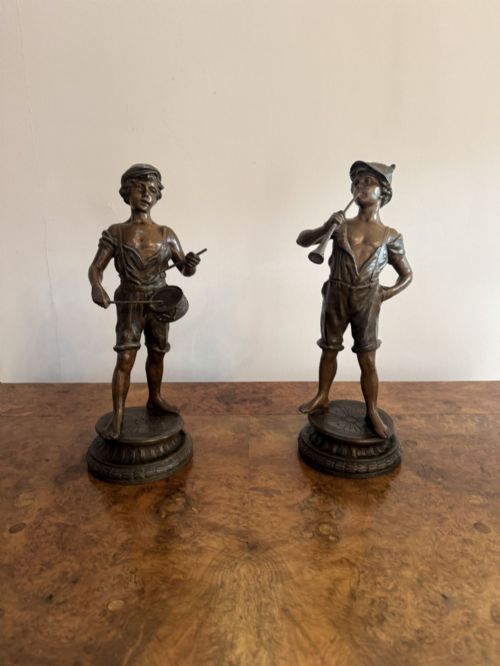
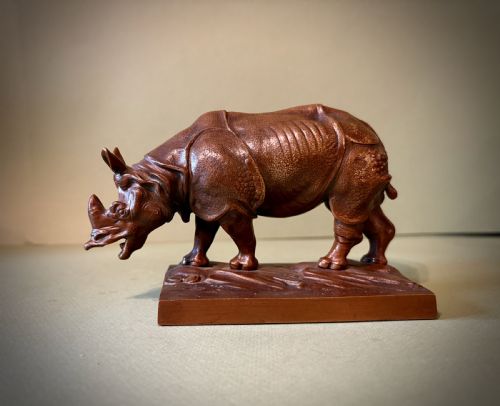
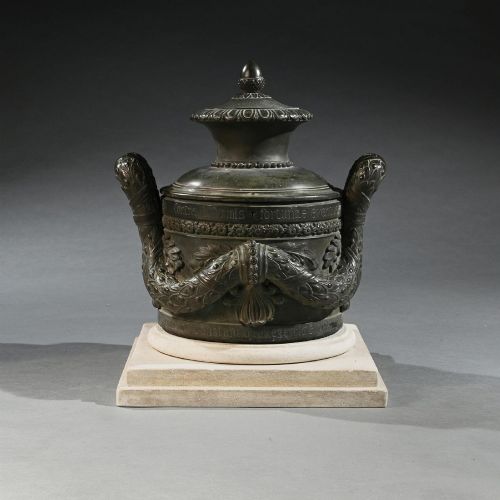
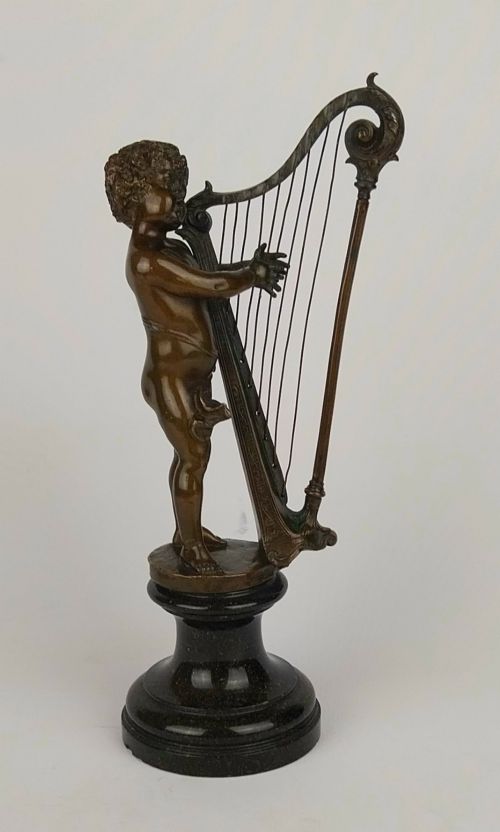
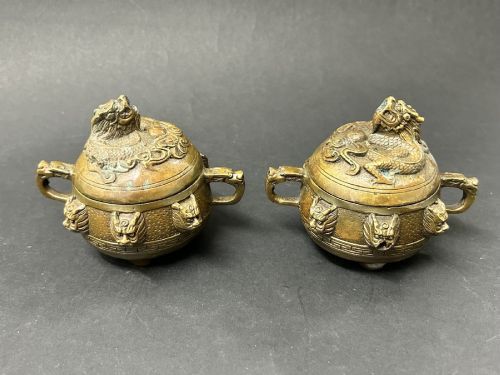
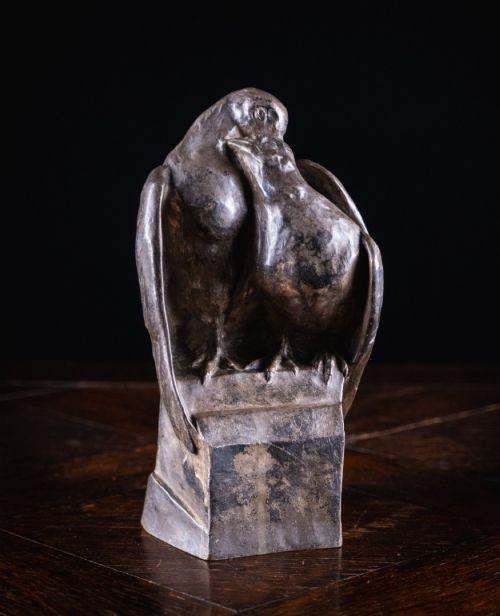
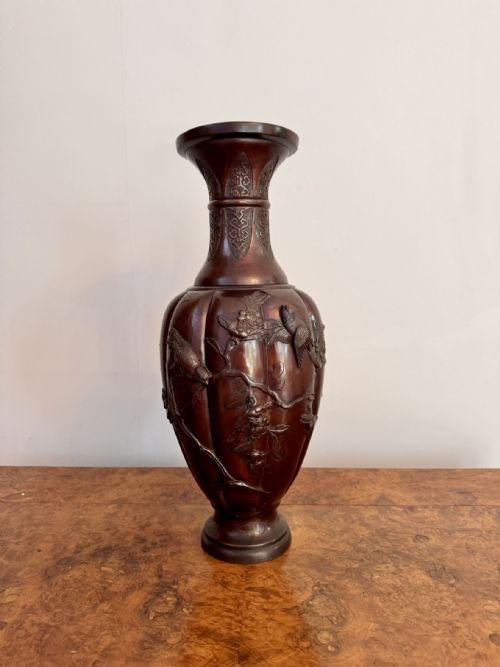
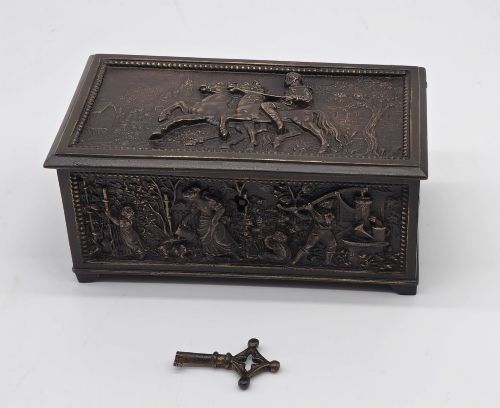
A decorative bronze cast search reveals an array of domestic and display objects, with sculptures, vases, and ewers appearing most frequently across the listings. These pieces range from Victorian animalier studies to Japanese vases and European door knockers.
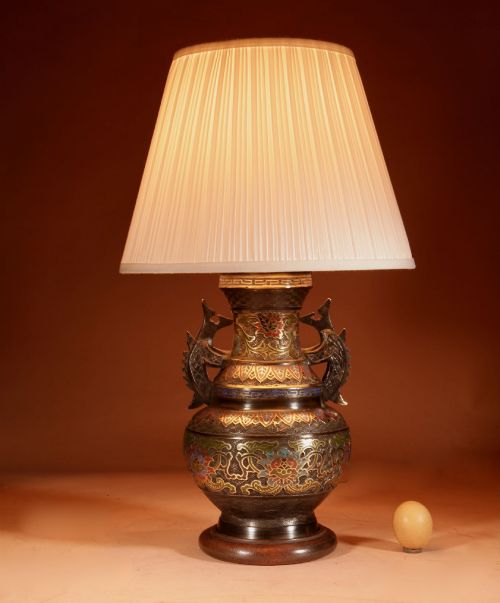
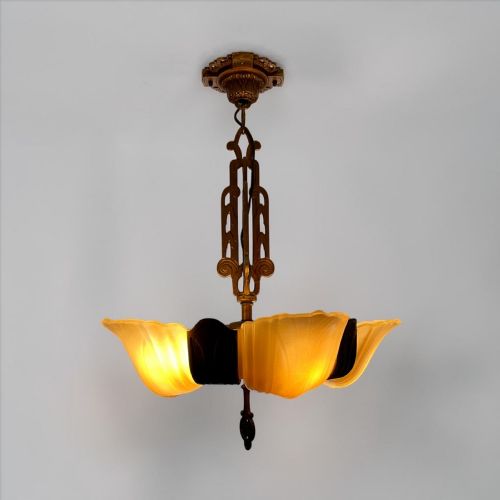
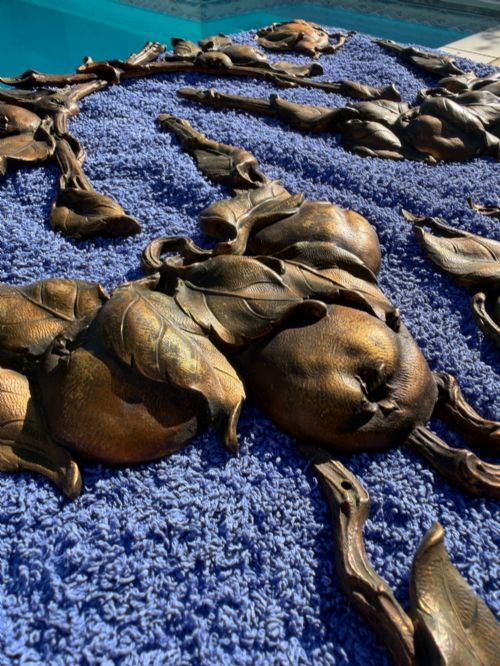
Originating largely from nineteenth-century European workshops and Asian foundries, the inventory includes table lamps, candlesticks, and architectural appliques. Buyers encounter both utilitarian items like doorstops and purely ornamental centrepieces created in styles from Neo-Classical to Art Deco.
Materials and casting methods
Foundries utilised bronze, brass, and cast metal, often applying gilt finishes, silver plating, or intentional patination to enrich the surface texture. Many sculptural pieces incorporate marble bases or glass elements alongside the primary metal casting.
Traditional lost-wax and sand-casting techniques allowed makers to capture intricate details such as animal fur, heraldic plaques, and classical figures. Skilled chasing and finishing followed the removal from the mould to refine edges and surface decoration.
Decorative Bronze Cast Retail Price Guide 2026
Typical asking prices for decorative bronze cast among the pieces listed under this phrase on Sellingantiques today, from the lower quarter to the upper quarter. They describe what is for sale here now, not the wider market.
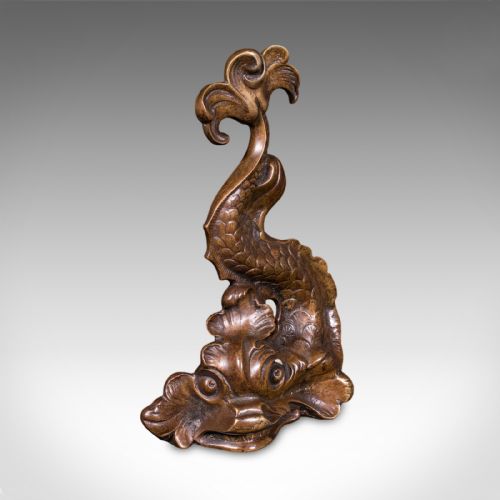
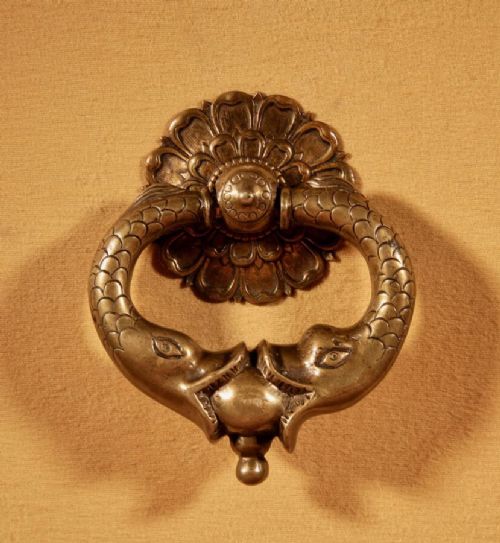
Mythical dolphins guard doors and hold ewers, proving that historic casting foundries possessed a wonderful sense of aquatic whimsy.
Distinctions in quality and execution
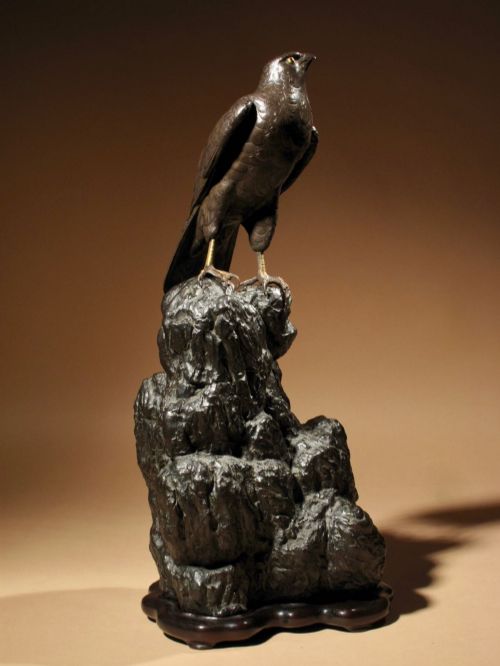
Superior examples demonstrate crisp definition in cast details, where individual feathers, facial expressions, and architectural motifs remain sharp without softening from worn moulds. The depth and warmth of the original patination or gilding significantly influence the visual impact of the metal.
The reputation of the founding establishment and the precision of the post-casting chase work set finer pieces apart from standard production items. Heavier gauge metal and integrated components reflect deliberate craftsmanship rather than mass production.
Jules Moigniez·Poix Blin·C Omin·Edith Parsons·P J Mene·A L Barye·Barbedienne
The Decorative Bronze Cast Glossary
- Animalier
- A nineteenth-century artistic movement focused on the realistic depiction of animals, particularly predators and domestic beasts. Sculptors in this tradition studied anatomy closely.
- Patinated bronze
- Metal treated with chemical solutions to produce a specific surface colour, ranging from deep brown to verdigris. This finish protects the alloy and adds visual depth.
- Champlevé
- An enamelling technique where troughs are dug into the metal surface and filled with vitreous enamel before firing. It frequently appears on Asian and European decorative wares.
- Grand Tour
- Souvenirs and classical replicas acquired by travellers touring cultural sites in Italy and Europe during the eighteenth and nineteenth centuries. These items often emulate ancient statuary.
- Ewer
- A large jug with a wide spout and elaborate handle, traditionally used for holding water but repurposed as a decorative display vessel.
Decorative Bronze Cast: Frequently Asked Questions
What is a decorative bronze cast?
A decorative bronze cast is an item shaped by pouring molten bronze or allied metal alloys into a mould to create ornamental or functional objects.
These pieces encompass sculptural studies, lighting fixtures, and vessels designed to enhance interior spaces.
How do I identify the period?
Period identification relies on stylistic cues such as the flowing lines of Art Nouveau or the classical symmetry of Regency designs.
Examining the manufacturing techniques and material composition also helps narrow down the decade of production.
Where were these pieces used?
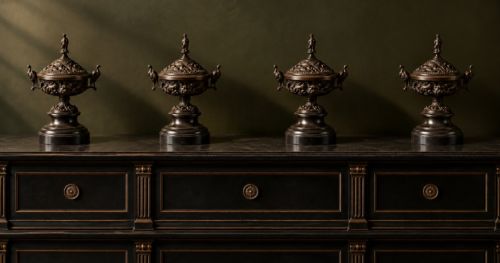
These items served various roles in historic interiors, from mantelpiece ornaments and table lamps to entryway door knockers and garden urns.
Many functioned as desk accessories or architectural hardware in formal drawing rooms.
How should I care for bronze?
Bronze requires minimal maintenance, typically needing only gentle dusting with a soft cloth to preserve the surface finish.
Harsh cleaning agents and polishes should be avoided to prevent stripping the historic patination.