

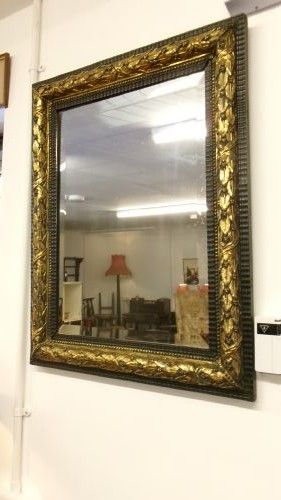


Decorative Brass Mirror Frame
These decorative brass mirror frame pieces bring warmth and texture to an interior, offering a distinct focal point through period craftsmanship.
Decorative Brass Mirror Frame
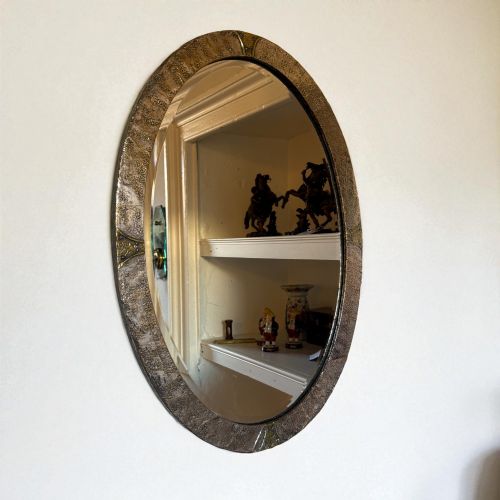
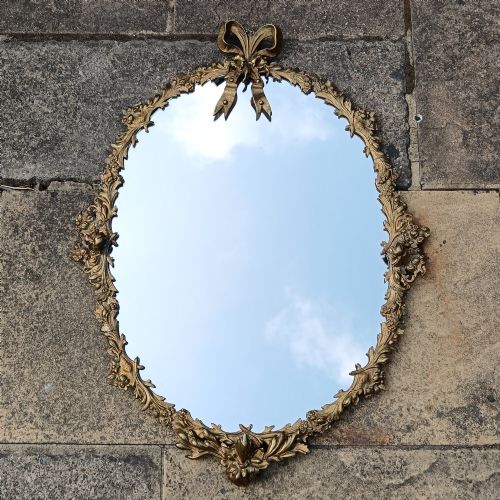
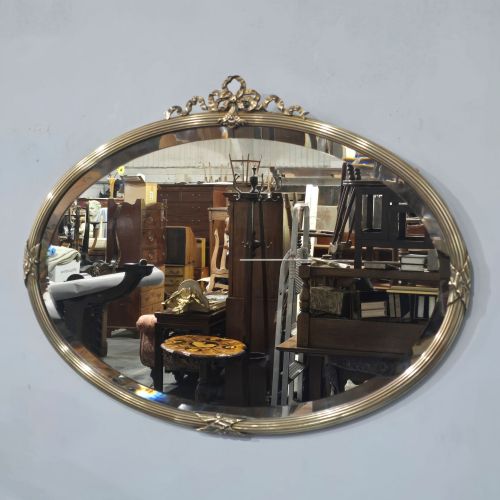
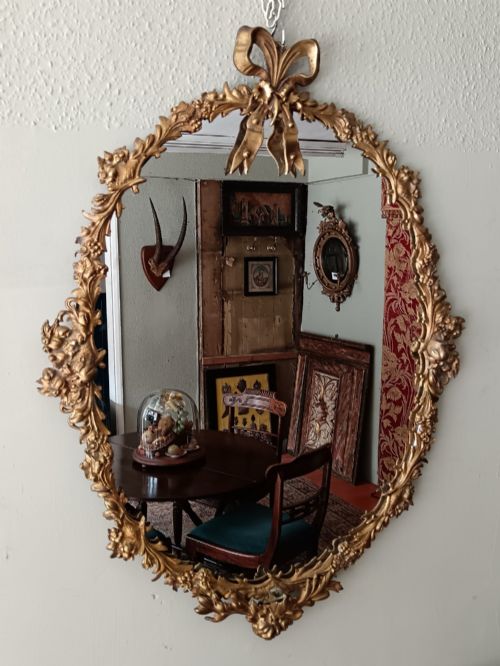
A decorative brass mirror frame combines metalwork with reflective glass, serving primarily as a wall hanging or occasionally as a fire screen. These pieces emerge from periods spanning the Victorian era through the early twentieth century, encompassing revival styles and the Arts and Crafts movement.
Makers utilised wood, ebonised elements, and gilt bronze alongside the primary brass and mirror glass. Original plates often accompany these frames, displaying bevelled edges or figural crests such as cherubs and masks.
Materials and construction
Metalworking techniques define these pieces, with cast brass and repoussé copper creating high-relief ornamentation. Artisans shaped sheet metal and cast heavier mounts, securing them to wooden backings or incorporating ebonised surrounds.
Gilt bronze surfaces appear on French pieces from the late nineteenth century, providing a refined metallic finish. Bevelled glass plates are set within these frames, often retained by original backing boards and fixings.
Decorative Brass Mirror Frame Retail Price Guide 2026
Typical asking prices for decorative brass mirror frame among the pieces listed under this phrase on Sellingantiques today, from the lower quarter to the upper quarter. They describe what is for sale here now, not the wider market.
Listings span the Victorian and Edwardian eras, featuring materials such as bevelled glass, gilt bronze, repoussé copper, and cast brass.
Assessing craftsmanship and execution
Quality rests in the crispness of the casting and the depth of the repoussé work. Finer frames exhibit sharply defined details in crests, masks, and floral motifs, whereas simpler examples show softer contours.
The choice of materials also separates standard production from superior pieces. Heavy cast brass mounts, integrated wooden structures, and thick bevelled mirror plates indicate a higher grade of manufacture than thin sheet metal alternatives.
The Decorative Brass Mirror Frame Glossary
- Repoussé
- A metalworking technique where metal is hammered from the reverse side to form a raised design in relief. This method creates tactile, highly textured surfaces on copper and brass frames.
- Gilt Bronze
- Bronze that has been coated with a thin layer of gold or gold-coloured alloy. It provides a rich, durable metallic finish typical of finer French revival pieces.
- Bevelled Glass
- Mirror glass with edges ground and polished to an angle thinner than the centre. This treatment catches the light and adds a decorative border to the reflection.
- Fire Screen
- A decorative panel placed in front of a fireplace when not in use. Some examples incorporate brass mirrors into their design to reflect room light.
- Ebonised
- Wood treated with a finish to imitate ebony. This dark staining technique provides a strong contrast against polished brass frames.
Decorative Brass Mirror Frame: Frequently Asked Questions
How do I hang a heavy brass mirror?
These frames often carry significant weight due to solid cast brass and glass plates. Ensure you locate a secure fixing point in the wall using appropriate fixings for the load.
Check the integrity of any original hanging loops or chains on the back of the frame before mounting. Professional picture hanging hooks rated for the weight provide the safest support.
How do I clean an antique brass frame?
Dust the frame gently with a soft, dry cloth to remove surface particles. Avoid harsh chemical cleaners or abrasive polishes that can strip patination and damage the metal.
If cleaning is necessary, use a mild soap solution on a damp cloth, drying the metal immediately afterwards. Preserving the natural age and darkening of the brass maintains the character of the piece.
Are original mirror plates common?
Many Victorian and Edwardian frames retain their original glass plates, which often display minor foxing and age spots. These natural imperfections confirm the authenticity of the piece.
Replacement glass is occasionally fitted if the original was damaged. Inspect the silvering on the reverse and the bevel edges to determine whether the plate is period to the frame.
What distinguishes Arts and Crafts frames?
Arts and Crafts examples focus on hand-worked materials and honest construction. You will frequently find repoussé copper or brass surfaces showing the direct marks of the artisan's tools.
These designs avoid excessive revival ornamentation in favour of simpler, stylised natural motifs. They pair well with both traditional and contemporary interiors.