





Decorative Blanket Chest
A decorative blanket chest brings character and history to a room, offering practical storage disguised in rich regional styles and materials.
Decorative Blanket Chest
A decorative blanket chest is a substantial storage piece used for textiles and personal belongings, spanning centuries of global craftsmanship. These vessels range from domestic European coffers to travelled chests from Middle Eastern, African and Asian workshops.
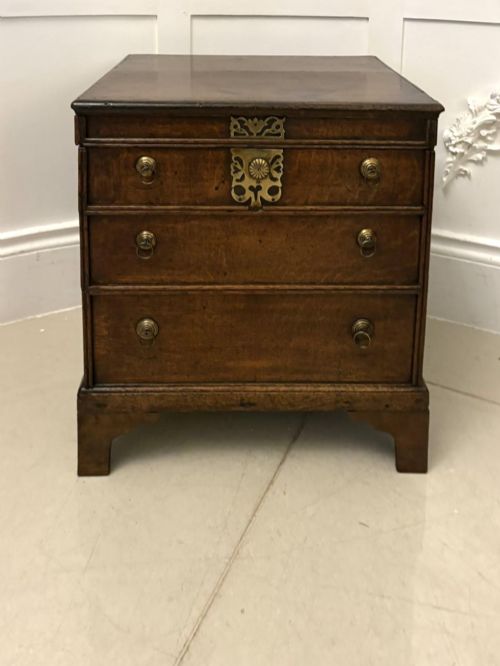
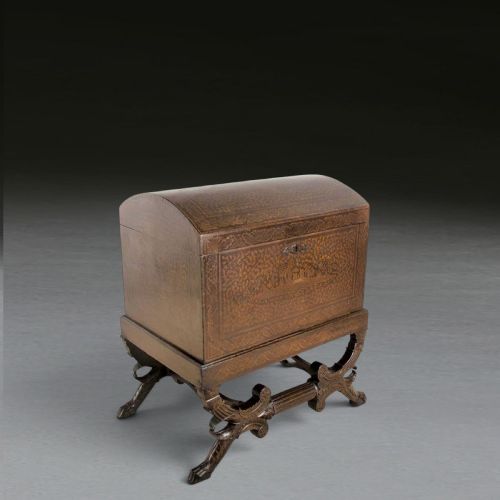
Buyers will encounter various forms on this page, including traditional dome top chests, trunks on stands, and miniature box coffers. The selection draws on periods from pre-sixteenth century panels to early twentieth-century examples.
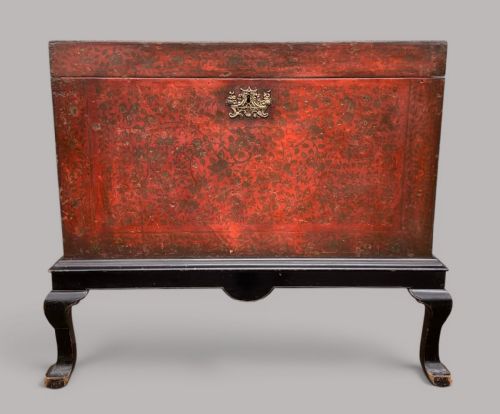
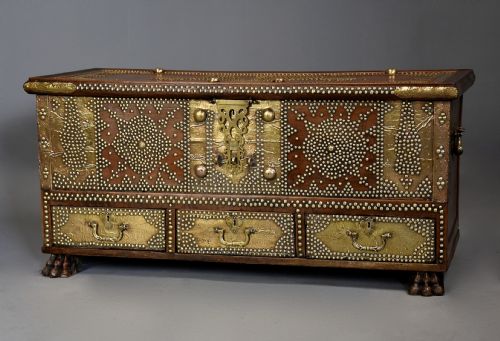
Regional styles dominate the offerings, showcasing distinct aesthetics such as Ottoman, Zanzibar traders pieces, Chinese export work, and Anglo-Indian designs. Each piece reflects the utility and decorative tastes of its original context.
How they were made
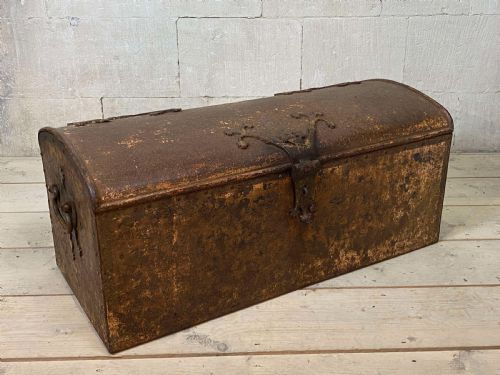
Construction relies heavily on sturdy timbers such as oak, mahogany, pine, and various hardwoods, often forming heavy frames and panels. Blacksmith and metalworker skills appear through the integration of iron, tin, and brass bindings or stud work.
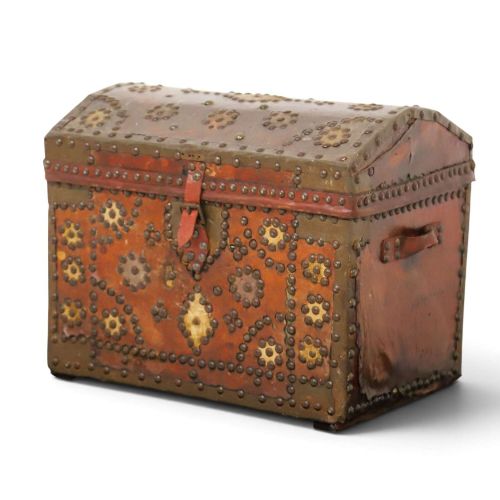
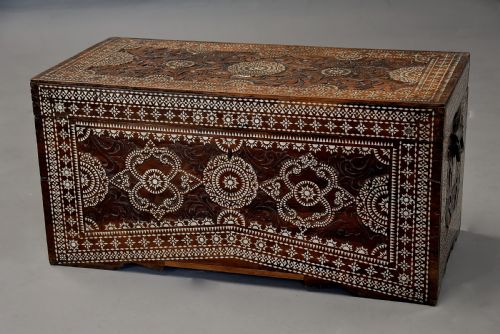
Surface ornamentation defines the decorative nature of these chests, utilising techniques like red lacquer, painted finishes, and elaborate mother of pearl inlay. Leather cladding and meticulous nailhead details also provide both protection and visual texture to travel trunks and coffers.
Decorative Blanket Chest Retail Price Guide 2026
Typical asking prices for decorative blanket chest among the pieces listed under this phrase on Sellingantiques today, from the lower quarter to the upper quarter. They describe what is for sale here now, not the wider market.
Some travel trunks still retain the bumps and brass stud scars of long-forgotten railway journeys across colonial trade routes.
What varies in quality
The sophistication of the surface decoration and inlay work dictates much of the distinction between standard examples and finer pieces. Intricate mother of pearl patterns, careful brass studding, and well-preserved lacquer or paint display higher artisan skill.
Structural integrity and the survival of original hardware, linings, and stands separate untouched historical examples from heavily restored pieces. The complexity of the form, such as a chest raised on an architectural stand, adds to the physical presence.
The Decorative Blanket Chest Glossary
- Portmanteau
- A large travel trunk or suitcase typically made of leather, designed for opening into two equal compartments. These pieces often show signs of international transit.
- Chinoiserie
- European imitation of Chinese and East Asian artistic traditions, frequently applied to lacquered furniture and decorative chests. This style employs characteristic motifs and painted scenes.
- Brass studding
- The decorative and functional application of brass nails or tacks into wood or leather surfaces. It creates geometric patterns while securing materials.
- Dome top
- A curved lid design found on historical trunks and chests. This shape helped shed water during travel and provided extra interior height.
Decorative Blanket Chest: Frequently Asked Questions
How were blanket chests used?
Historically, these chests served as secure storage for valuable textiles, blankets, and personal dowry items in domestic spaces. Their heavy construction and lockable lids meant they also doubled as seating or travel luggage.
Over time, their roles shifted from utilitarian travel trunks to prominent interior furniture pieces used to anchor living areas and bedrooms.
Where should I place a decorative chest?
A decorative blanket chest works effectively at the foot of a bed, functioning as both surface space and linen storage. They also anchor hallways or living rooms as coffee table alternatives.
Ensure the chest is kept away from direct heat sources and strong sunlight to preserve vulnerable materials like leather, lacquer, and inlaid mother of pearl.
How do I care for leather clad trunks?
Leather clad surfaces require gentle dusting and occasional specialist conditioning to prevent the hide from drying out over the decades. Avoid using modern chemical cleaners which can strip original patination and finishes.
Keep the environment stable in terms of humidity to protect both the underlying timber frame and the exterior leather bindings from warping or cracking.
How can I tell the period of a chest?
Dating relies on examining construction joints, hardware types, and the specific decorative vocabulary typical of regional workshops. Hand-beveled panels, forged iron hinges, and specific wood species offer clues to the century of manufacture.
Stylistic influences, such as Georgian proportions or Edwardian travel labels, help narrow down the timeline alongside any surviving maker marks or traditional regional building methods.