


Decorative Art Vase
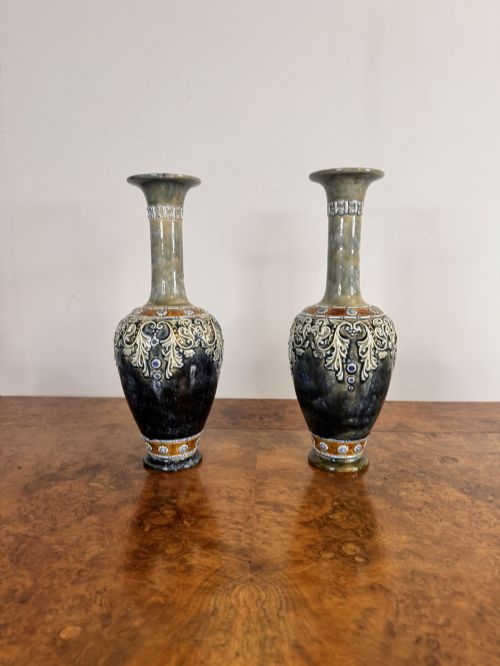
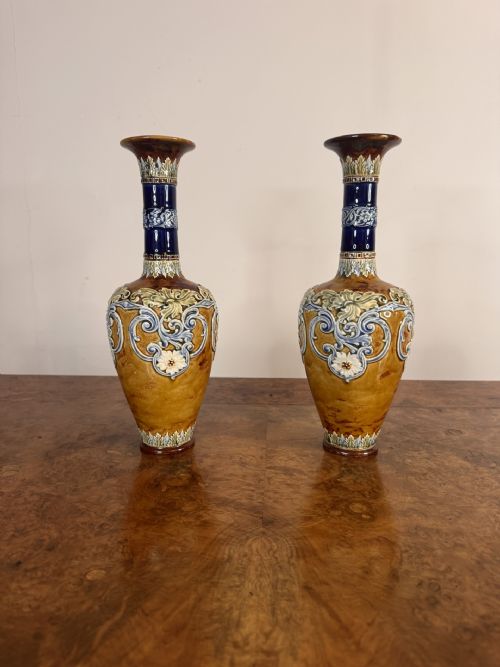
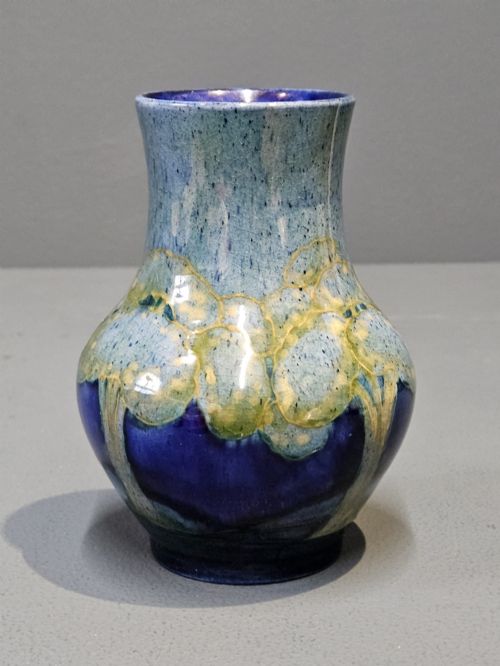
These decorative art vase examples span late-Victorian experimentation to Art Deco geometry, offering rich colour and tactile surfaces for the collector.
Decorative Art Vase
A decorative art vase encompasses diverse stylistic movements from the late nineteenth century through to the interwar decades, prioritising artistic expression over purely functional vessel design. When exploring this category, collectors encounter everything from fluid organic forms associated with Art Nouveau to the structured lines of Art Deco.
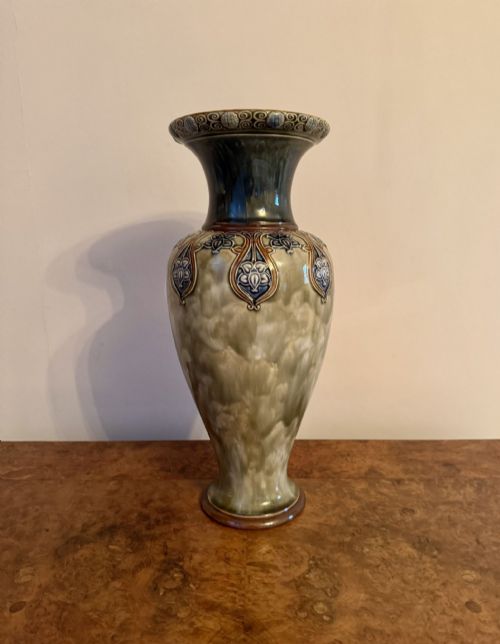
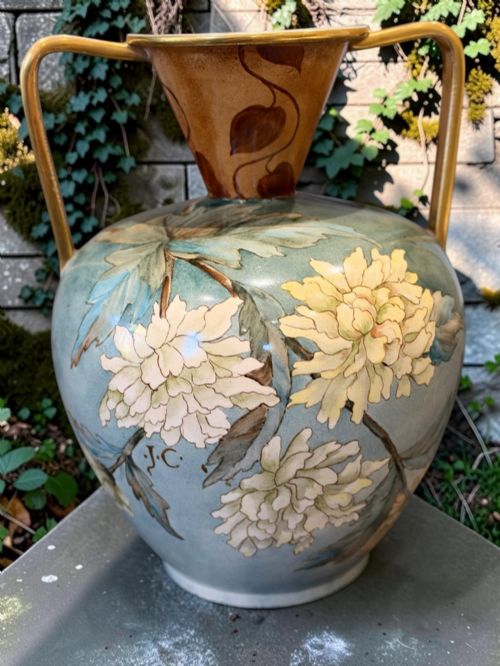
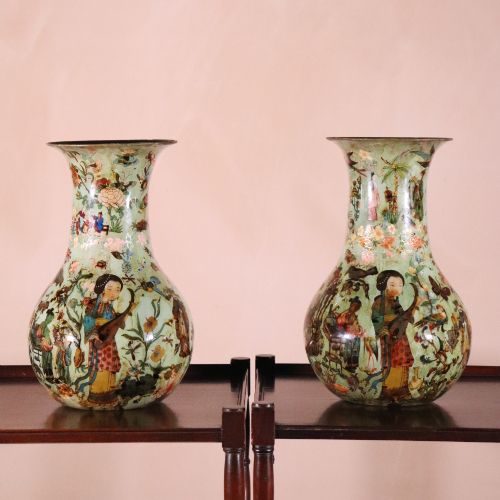
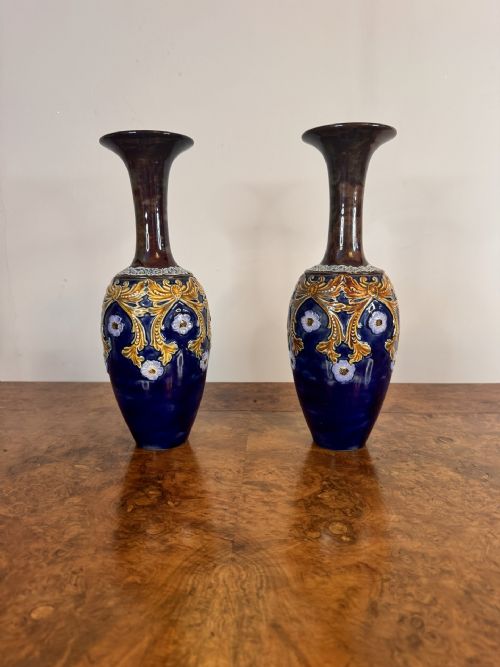
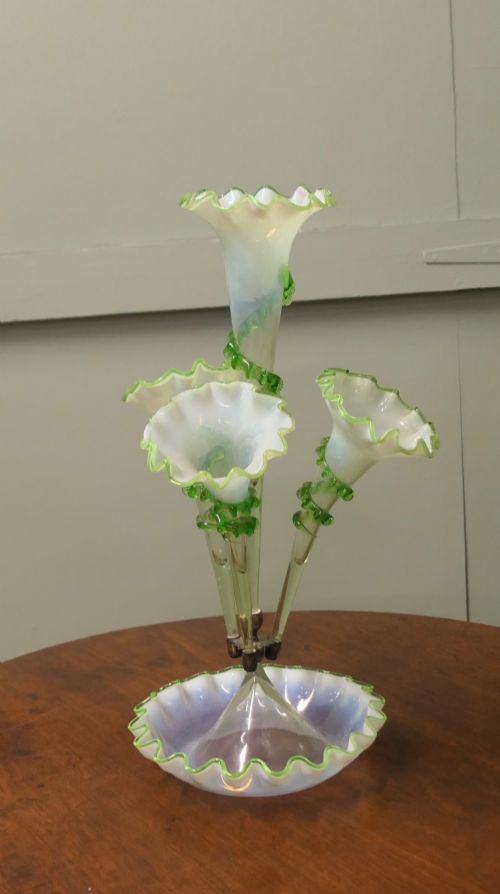
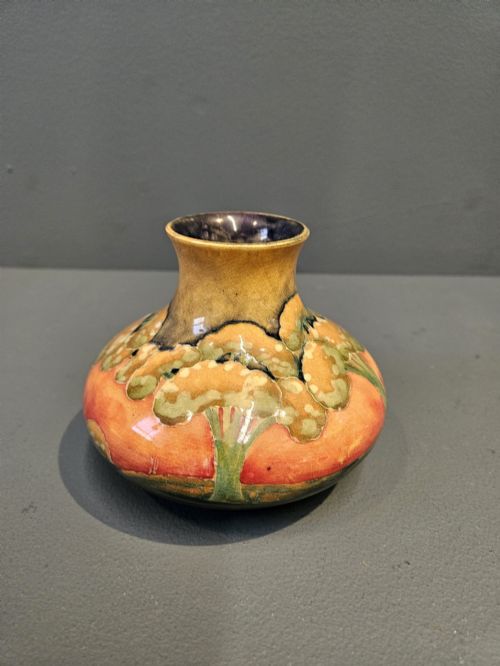
The objects represented here frequently take the form of baluster vases, ewers, and handled vessels made by prominent potteries and glasshouses. Earthenware and stoneware pieces sit alongside delicate cameo glass and cloisonné enamel, reflecting the widespread international taste for ornamental ceramics and glass during this era.
Most examples date from the 1880s through the 1930s, capturing shifts from Victorian historicism to modernist abstraction. Buyers most commonly meet earthenware pieces from British potteries like Royal Doulton and Burmantofts, alongside continental glass by makers such as Loetz and Gallé.
Materials and methods
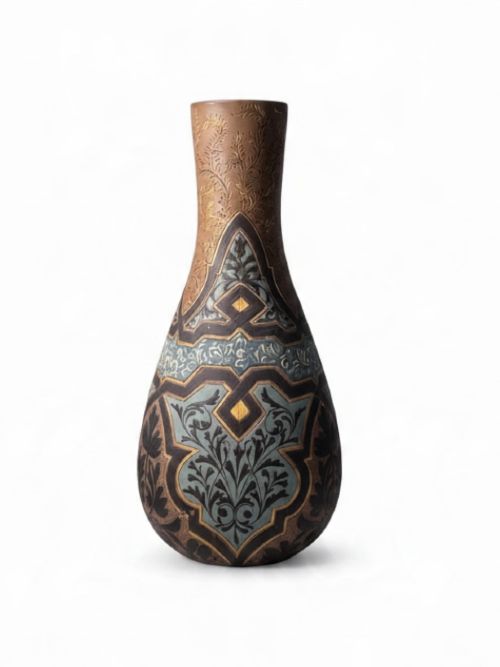
Makers utilised earthenware, stoneware, and ceramic bodies, often applying specialist glazes such as iridescent finishes, lustre, or intarsio faience to achieve depth of colour. Stoneware vessels from potteries like Doulton Lambeth relied on salt-glazing and incised decoration to create durable, textured surfaces.
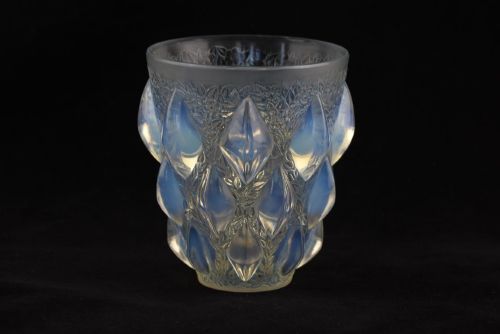
Glass production involved sophisticated techniques including acid-etching, cameo layering, and metal mounts. Works by houses like Daum and Galle required multi-layered glass cased together and carved down to reveal contrasting colours beneath.
Metalwork and surface embellishments such as gold leaf, enamel, and copper effects frequently completed the construction. Cloisonné pieces employed thin wire compartments soldered to a metal base and filled with coloured enamel pastes before firing.
Decorative Art Vase Retail Price Guide 2026
Typical asking prices for decorative art vase among the pieces listed under this phrase on Sellingantiques today, from the lower quarter to the upper quarter. They describe what is for sale here now, not the wider market.
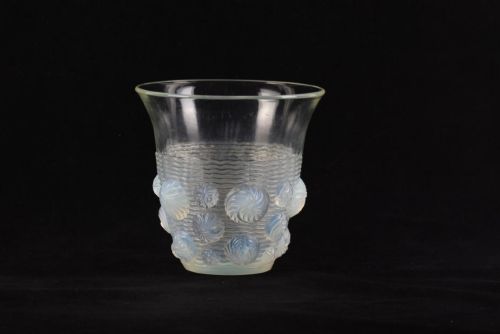
Several vessels wear their vintage with charm, including French folk art jars decorated entirely in gathered sea shells.
Measures of quality
Quality rests upon the ambition of the design and the mastery of execution, particularly in how successfully the material handles light and colour. An iridescent glass vase by Loetz achieves distinction through the dynamic play of its straw papillon surface, whereas lesser pieces show static or muted optical effects.
The reputation of the designer or decorator elevates a piece significantly, as seen in signed cameo glass or marked art pottery where specific artists directed the kiln work. Factory execution varies from standard production runs to exhibition-standard items displaying hand-painted detail and complex mounting.
Structural integrity and the preservation of delicate surface layers determine the standing of glass and enamel works. Acid-etched and cameo examples depend on crispness of line and depth in the carved strata to separate standard production from exceptional studio outputs.
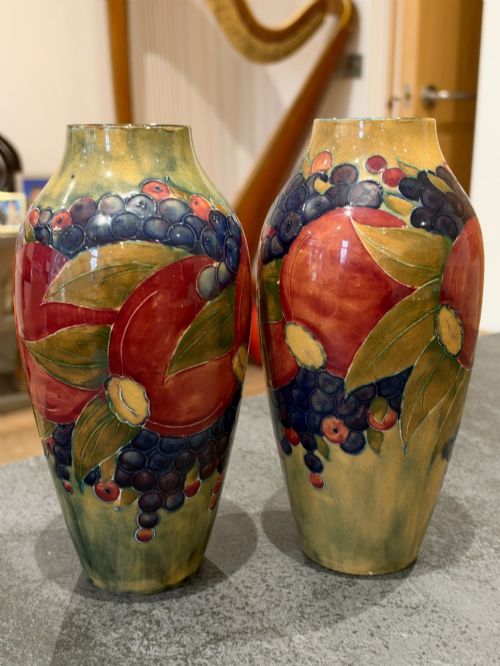
Burmantofts Pottery·Royal Doulton·Rene Lalique·Daum Freres·Moorcroft Pottery
The Decorative Art Vase Glossary
- Cameo Glass
- A vessel formed of multiple fused layers of glass of different colours, subsequently carved or acid-etched to create a raised design in relief. This labour-intensive technique gained immense popularity during the Art Nouveau period.
- Cloisonné
- A decorative metalwork technique where thin wire partitions are soldered to a base to form cells, which are then filled with enamel paste and fired. The resulting surface displays intricate coloured patterns divided by thin metal lines.
- Iridescent Glass
- Glass treated with metallic oxides while hot to produce a shimmering, rainbow-like sheen upon the surface. Loetz and other makers utilised this finish to catch light dynamically.
- Intarsio Faience
- A specialised earthenware technique developed in the late nineteenth century, combining rich coloured glazes with intricate printed and painted patterns. It produced highly decorative, vibrant ceramic surfaces.
- Baluster
- A vase form characterised by a rounded body that tapers toward a narrow neck, often resting on a flared foot. This classic silhouette appeared frequently across various artistic movements.
Decorative Art Vase: Frequently Asked Questions
What defines an Art Nouveau vase?
Art Nouveau vessels typically feature organic, asymmetrical lines inspired by natural forms such as plants, flowers, and insect wings. Makers expressed this style through flowing plant stems, female silhouettes, and iridescent or luminous surface treatments.
These pieces emerged around the turn of the twentieth century, moving away from rigid Victorian symmetry towards fluid, sculptural contours that celebrated craftsmanship.
How should I display a cameo glass vase?
Display cameo glass where light can pass through the body of the vessel, illuminating the layered colours and carved relief details. Placing the object near a natural light source highlights the contrast between the background and the opaque motifs.
Because cameo glass is delicate, position it away from high-traffic areas on stable shelving where it remains secure from accidental knocks.
What is the difference between earthenware and stoneware?
Earthenware is fired at lower temperatures, resulting in a porous ceramic body that requires an impervious glaze to hold liquids. Stoneware is fired much higher until the clay vitrifies, making it completely non-porous and exceptionally durable.
Stoneware pieces often display heavier, robust walls with salt-glazed or textured finishes, whereas earthenware allows for vibrant, absorbent colour applications.
How do I identify a piece by Loetz?
Loetz glass is primarily recognised by its distinctive iridescent finishes, particularly the papillon or oil-spot patterns that shift in colour under changing light. Many pieces also feature polished pontil marks on the base and occasionally metal mounts.
Examining the weight, optical depth of the glass, and signature surface sheen helps distinguish these Austrian works from later imitations.