



Decorative Art Mirror
A decorative art mirror brings period character to a room through distinctive framing and reflective glass spanning the Edwardian, Art Deco and Arts and Crafts eras.
Decorative Art Mirror
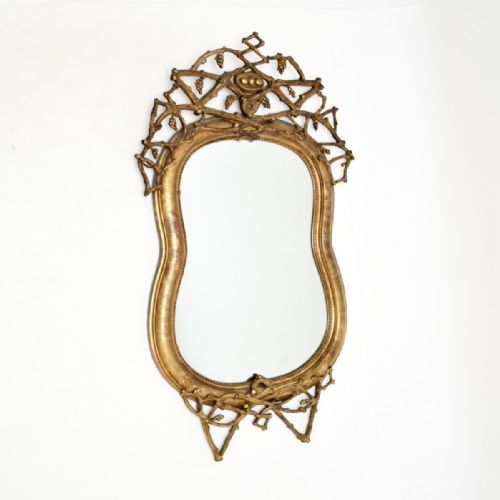
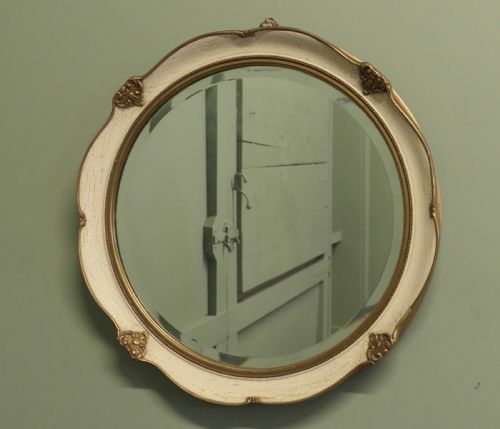
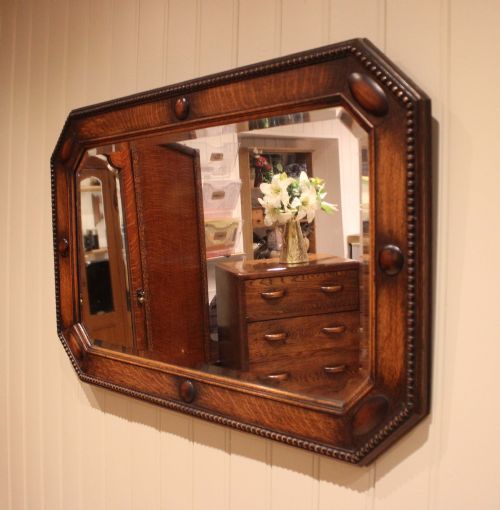
A decorative art mirror serves as both a functional looking glass and a focal point within an interior. When exploring a decorative art mirror, buyers encounter a broad spectrum of historical styles ranging from the carved ornamentation of the Victorian period to the geometric precision of Art Deco and the handcrafted integrity of the Arts and Crafts movement.
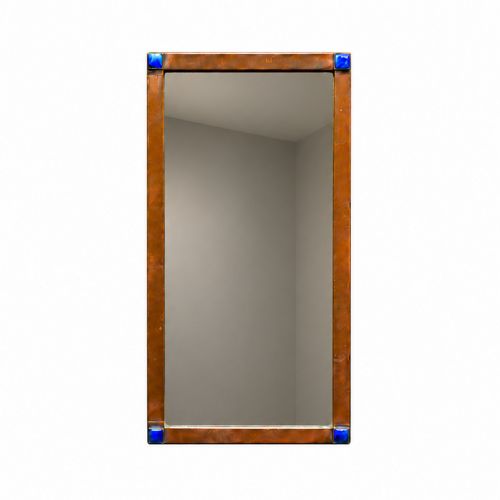
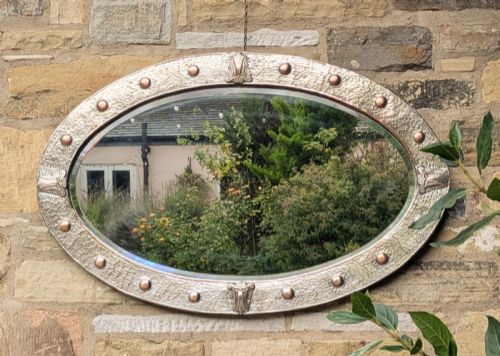
Art Deco iterations frequently utilise peach or blue coloured glass, sunburst motifs and heavy brass or bamboo frames, whereas Edwardian and early twentieth century examples showcase hammered metals and Ruskin cabochons. This diversity allows collectors to select pieces that align precisely with specific architectural periods.
Materials and construction methods
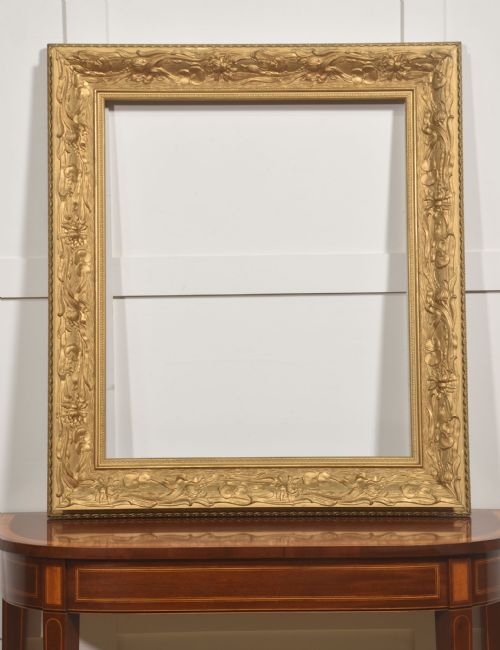
Makers of these mirrors relied on traditional woodworking and metalworking techniques, frequently employing oak, walnut, fruitwood and giltwood for structural frames. Carved gesso and gold leaf added surface brilliance to Victorian and Italian frames, while specialised joinery ensured stability in large overmantel mirrors.
Metalworking formed a central pillar of production, particularly within the Arts and Crafts tradition where hammered copper and brass frames display visible tool marks and riveted details. Specialised glass treatments, including peach and blue tinted panels, define the mid-century Art Deco aesthetic.
Decorative Art Mirror Retail Price Guide 2026
Typical asking prices for decorative art mirror among the pieces listed under this phrase on Sellingantiques today, from the lower quarter to the upper quarter. They describe what is for sale here now, not the wider market.
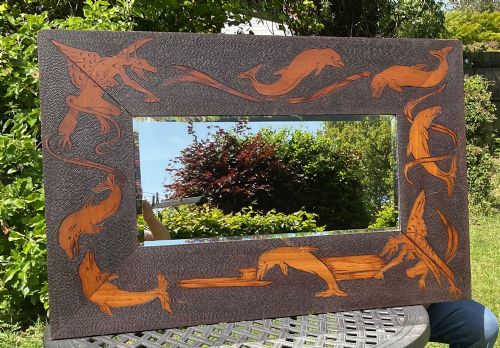
A dragon and dolphin frame shares space with a crane marquetry panel and a velvet covered looking glass.
Assessing quality and execution
Quality in these pieces rests upon the crispness of the carving, the integrity of the joinery and the originality of the materials. Hand-hammered metalwork with deliberate artistic intent distinguishes superior Arts and Crafts pieces from standard commercial output.
The sophistication of the surface finish, whether genuine gold leaf, intricate nacre-shell and bone inlay, or specialised marquetry work, separates standard mirrors from exceptional examples. Original mirror glass with natural ageing also contributes to the authenticity of nineteenth and early twentieth century pieces.
A.J Rowley
The Decorative Art Mirror Glossary
- Overmantel mirror
- A large looking glass designed specifically to hang above a fireplace mantelpiece. These pieces often anchor the decorative scheme of a principal reception room.
- Gesso
- A plaster-like material applied to wood frames and carved or moulded before gilding. It provides the raised detail seen on many Victorian and Italian decorative frames.
- Cabochon
- A polished, convex gem or ceramic stone without facets, frequently set into metal frames. Ruskin pottery cabochons are characteristic of high-grade Arts and Crafts metalwork.
- Marquetry
- The art of applying pieces of veneer to a structure to form decorative patterns. This technique appears on specialised wall mirrors featuring pictorial or geometric wooden designs.
Decorative Art Mirror: Frequently Asked Questions
How do I hang a heavy antique wall mirror safely?
Heavy wall mirrors require secure fixings anchored directly into structural wall studs or masonry using appropriate weight-rated brackets. Professional installation is strongly recommended for large overmantel and framed pieces.
Ensuring the hanging wire or integrated D-rings match the total weight of the timber and glass prevents accidental slipping over time.
Where should I place an Art Deco sunburst mirror?
Sunburst mirrors perform best on plain, neutral walls where their radiating lines can act as the primary visual focus of the room. Placing them opposite a window also helps amplify natural light.
Avoid cluttering the surrounding wall space with too many adjacent pictures to let the geometric frame design stand out.
How do I clean antique mirror glass without damage?
Use a soft microfiber cloth slightly dampened with distilled water or a mild, ammonia-free glass cleaner applied to the cloth rather than directly to the glass. This prevents moisture from seeping behind the silvering.
Take care to avoid harsh chemical sprays that can degrade historic silver backing or damage surrounding wooden and gilt frames.
What defines an Arts and Crafts copper mirror?
Arts and Crafts copper mirrors are characterised by hand-hammered metal surfaces, exposed rivets and organic motifs inspired by nature. They often feature cabochon stones or patinated finishes.
These pieces reflect the philosophy of handcrafted production that rejected mass-manufactured Victorian items in favour of visible artisanal skill.